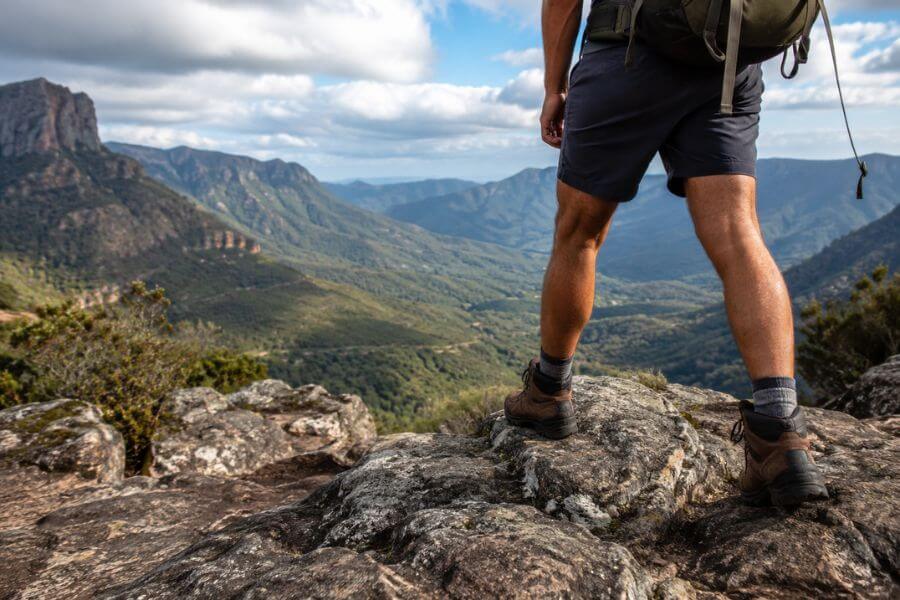
Australia is a dream world for anyone who loves the great outdoors. This massive island continent holds deep green rainforests, bright red deserts, golden beaches, and tall mountains that touch the clouds. If you lace up your boots and step onto the walking tracks here, you will discover wild landscapes and rare animals that you cannot find anywhere else on the planet.
Key Takeaway: The Ultimate Australian Walking Guide
Before you set off, here is a quick summary of what makes walking in Australia so special and how to choose your next big journey.
| Trek Type | Best Choice | Total Distance | What You See |
| Coast Walks | Great Ocean Walk | 104 kilometres | Huge sea stacks, shipwrecks, koalas, cliff-tops |
| Mountain Treks | Overland Track | 65 kilometres | Cradle Mountain, deep lakes, wild rainforests |
| Desert Walks | Larapinta Trail | 223 kilometres | Red rocks, starry nights, waterholes, rocky gaps |
| Day Escapes | Cape Byron Track | 3.7 kilometres | Famous lighthouse, dolphins, easternmost point |
The Magical Overland Track: Tasmania’s Famous Mountain Journey
Tasmania sits at the very bottom of Australia, and it feels like a whole different world. The air is crisp, the water is pure, and the mountains look like grand giants. The Overland Track is famous across the globe for a very good reason. It takes you right through the wild heart of this island state.
The Landscape and Natural Wonders
When you step onto the start of this path, you enter a place shaped by ice and weather over millions of years. You will pass under the shadow of Cradle Mountain, which looks like a giant crown made of dark stone. The path leads you through forests where the trees are covered in thick green moss that feels like velvet under your fingertips.
Further along, the trees open up into wide plains covered in golden button-grass. In the mornings, a soft mist hangs over these fields, making the whole world look like a fairy-tale scene. You will cross clear streams where the water is cool enough to soothe your tired feet.
Animals Along the Track
Keep your eyes sharp while you walk. Tasmania is home to unique creatures that love these mountains.
- Wombats: These furry, round animals look like tiny tanks waddling through the grass. They are very busy chewing on green shoots and often do not mind if you watch them from a safe distance.
- Wallabies: Smaller than kangaroos, these bouncy friends hop through the bushes and might peek out at you from behind a tree.
- Tasmanian Devils: While they are very shy and mostly come out at night, you might hear their loud screeches echoing through the woods after the sun goes down.
Surviving the Changing Weather
The weather in Tasmania is full of surprises. Even during the warmest months of the year, you can experience bright sunshine, heavy rain, and freezing snow all in a single afternoon. You must carry clothes for every type of weather.
A thick waterproof coat is your best friend here. Walking through a rain shower is wonderful if your clothes stay dry inside. It is also wise to pack warm gloves and a woolly hat because the mountain winds can chill your bones very quickly.
Sleeping Under the Stars and in Huts
At the end of each long walk, you will find rustic wooden huts built by the park rangers. These huts provide a solid roof over your head and wooden benches where you can spread out your sleeping mat. They are fantastic places to meet other walkers, share snacks, and swap stories about your day.
If the huts are full or if you prefer more privacy, there are wooden platforms outside where you can pitch your tent. Sleeping in a tent allows you to hear the gentle rustle of the wind in the trees and the quiet sounds of nocturnal animals moving through the bush.
The Great Ocean Walk: Following Victoria’s Dramatic Southern Coast
Most people know about the Great Ocean Road, where cars drive along the edge of the sea. But the best way to feel the true power of the southern ocean is to step away from the tarmac and join the Great Ocean Walk. This path hugs the coastline of Victoria, offering non-stop views of crashing blue waves and high limestone cliffs.
From Tall Trees to Sandy Beaches
This trek gives you a taste of two different worlds. You start your journey walking under some of the tallest eucalyptus trees in the country. The forest floor is packed with giant ferns that look like green umbrellas shielding you from the sun. The air smells sweet and fresh, full of the scent of eucalyptus leaves.
As you move forward, the forest thins out, and you find yourself standing on top of massive cliffs. The wind blows straight up from the southern ocean, bringing the salty tang of the sea. Below you, long beaches of pale yellow sand stretch out as far as you can see, with white waves rolling in one after another.
Discovering Historical Shipwrecks
The coast of Victoria can be dangerous for boats, and this path lets you explore some of that seafaring history. At certain points, you can step down onto the beaches where old wooden and iron ships met their end a long time ago.
- Wreck Beach: Here, you can find the anchors of old ships firmly stuck in the rock platforms. They appear when the tide goes out, looking like rusty monuments from the past.
- Cape Otway: This spot features the oldest working lighthouse on the Australian mainland. Climbing up towards it makes you feel like an old-world sea captain looking out for trouble on the waters.
Watching Coastal Wildlife
The marine life and birdlife along this coast are spectacular. You do not just look at the plants; you get to share the track with many locals.
- Koalas: If you look up into the branches of the manna gum trees, you will often spot these sleepy grey balls tucked into the forks of the branches. They spend most of their day napping or slowly chewing on leaves.
- Fur Seals: Down on the flat rocks near the water, families of seals love to sunbathe. They bark at each other and splash into the cool water to catch fish.
- Whales: If you visit between the months of June and September, you might see massive southern right whales playing in the deep water just off the coast.
Choosing Your Walking Distance
You do not have to complete the whole hundred kilometres in one go. The track has many access points where a car or a bus can drop you off or pick you up. This means you can choose to do a short two-hour walk to see a specific view, or you can spend a whole week moving from one campsite to the next.
The Mighty Larapinta Trail: The Red Heart of the Northern Territory
If you want to experience the true Australian outback, the Larapinta Trail is the ultimate journey. Located in the Northern Territory, this path follows the spine of the West MacDonnell Ranges. It is a land of brilliant red dirt, deep blue skies, and ancient rock formations that have stood for billions of years.
The Colors of the Desert
The first thing that will strike you about this trail is the vivid colour palette. The soil under your boots is a rich, fiery red that stains your socks. The rocks change colour throughout the day, turning from soft pink in the morning to bright orange at noon, and deep purple as the sun goes down.
The sky here feels bigger than anywhere else because there are no tall buildings or trees to block your view. At night, because there are no city lights for hundreds of kilometres, the stars shine with incredible brightness. You can see the thick white band of the Milky Way stretching right across the sky like a highway of light.
Finding Cool Desert Gaps and Gorges
Even though this is a dry desert land, water has carved amazing shapes into the rocks over time. The trail leads you into deep chasms and gorges where the rock walls rise straight up like skyscraper buildings.
- Simpsons Gap: A beautiful split in the stone walls where rock-wallabies hide in the shadows.
- Ormiston Gorge: A giant natural bowl with a deep waterhole at the bottom. The water stays cool all year round because the high rock walls block out the hot sun. It is a wonderful spot to splash water on your face after hours of walking.
Flora and Fauna of the Outback
The desert looks empty at first glance, but it is actually full of life that has learned to survive with very little water.
- Ghost Gum Trees: These trees have stark white bark that looks like polished stone. They grow right out of the red rocks, creating a beautiful contrast against the bright blue sky.
- Spinifex Grass: This tough, spiky grass grows in round clumps across the plains. It helps hold the sandy soil together and provides homes for lizards.
- Thorny Devils: A small lizard covered in sharp spikes that looks like a tiny dragon. They eat ants and are completely harmless to humans.
Preparing for the Desert Sun
Walking in the red centre requires careful planning because the sun is very strong. You must carry plenty of water containers so you never run out between the water tanks set up by the park rangers. A wide-brimmed hat is essential to keep the sun off your face and neck, and loose clothing helps keep you cool as you walk.
Cape Byron Walking Track: Coastal Splendor in New South Wales
Not every great walk requires days of camping and heavy packs. Some of the most beautiful views can be found on short walks that take just a few hours. The Cape Byron Walking Track in New South Wales is a perfect example of a short journey that delivers massive rewards.
Standing at the Edge of the Continent
This track takes you on a loop around Cape Byron, which is the most easterly point of the Australian mainland. Standing on the cliff edge means there is nothing between you and South America except thousands of kilometres of blue ocean. It is the very first place on the mainland to see the sun rise each morning.
The path is well-made with wooden boardwalks and stone steps that wind their way up the hillside. It passes through pockets of coastal rainforest where small birds chirp in the bushes, before popping out onto high grassy cliffs that look down over the beach.
The Iconic Lighthouse
At the highest point of the walk stands the Cape Byron Lighthouse. Built at the start of the twentieth century, its white tower stands proud against the blue sky. The light from this tower still shines every night to guide ships safely along the coast.
Marine Life Spotting
Because the path sits high up on the cliffs, it acts like a natural viewing platform for watching the ocean. You can peer down into the clear water and spot all kinds of sea creatures.
- Dolphins: Pods of bottlenose dolphins love to play in the waves just off the main beach, jumping out of the water and surfing the swells.
- Sea Turtles: Look closely at the shallower water near the rocks, and you might see the dark shapes of green turtles swimming slowly through the seaweed.
- Migrating Whales: During the cooler months, humpback whales pass very close to the cape. You can easily see them splashing their giant tails and blowing water high into the air.
Kings Canyon Rim Walk: A Journey into an Ancient World
Deep in the red desert of the Northern Territory lies Kings Canyon, a massive slice in the earth with walls that drop over one hundred metres down to a lush forest below. The Rim Walk takes you right along the very top edge of these spectacular cliffs.
Heart-Pumping Start to Lasting Rewards
The walk begins with a steep climb up a rocky hill. It gets your heart beating fast, but once you reach the top, the path becomes flat and the views stretch out for miles across the desert plains. The top of the canyon looks like an ancient city made of stone, with rows of weathered rock domes that look like giant beehives.
These domes are called the Lost City. Walking between them feels like exploring a forgotten maze. The wind has carved smooth curves into the red sandstone over thousands of years, making the rocks feel soft to the touch despite their size.
The Hidden Garden of Eden
Halfway through the walk, you step down a wooden staircase into a deep, cool split in the canyon floor. This place is called the Garden of Eden, and it feels like magic. While the top of the canyon is dry and hot, this hidden spot is filled with waterholes, green ferns, and ancient cycad palms.
The air down here is cool and quiet, except for the sweet songs of desert birds that come to drink the water. It is a peaceful sanctuary where you can sit on a cool stone and rest before climbing back up to the canyon rim.
Safety on the Edge
Because the cliff edges drop straight down, you must stay on the marked path and keep a safe distance from the rim. The views are incredible without needing to step near the edge. It is also important to start this walk early in the morning before the sun gets too hot, so you can enjoy the colours of the rocks in the gentle morning light.
Wineglass Bay Track: The Jewel of Freycinet National Park
Tasmania makes our list again with one of the most famous beach views in the world. Located on the east coast of the island, Freycinet National Park is a place of pink granite mountains, thick green bush, and white sand bays.
Climbing to the Lookout
The walk starts at a peaceful car park surrounded by eucalyptus trees. From there, you follow a steady track that climbs up between two big pink mountains known as The Hazards. The path is made of gravel and stone steps, surrounded by giant rocks that look like they were dropped by giants.
As you reach the top of the saddle between the hills, the trees clear, and you are treated to a view that will take your breath away. Below you lies Wineglass Bay, a perfect curve of brilliant white sand shaped just like the goblet it is named after. The water inside the bay changes from pale turquoise near the sand to deep sapphire blue further out.
Walking Down to the White Sand
While many people stop at the lookout to take a photo and turn back, the true adventure lies in walking down the other side of the ridge to the beach itself. A track leads you down through the coastal forest until your feet step onto the soft sand.
The sand here is squeaky clean and feels like powder between your toes. The water is refreshing and clear, perfect for splashing your face or wading along the shore. You can walk from one end of the bay to the other, listening to the gentle lap of the waves and watching sea eagles soar high above the cliffs.
Meeting the Local Wildlife
The animals around Freycinet are very friendly because they are used to seeing walkers.
- Bennetts Wallabies: These small marsupials often hang around the edges of the track and the beach. They are very curious but remember never to feed them your snacks, as human food is bad for their tummies.
- Pacific Gulls: Large birds with bright yellow beaks that glide on the sea breezes, keeping a watchful eye on the water for small fish.
Blue Mountains Walking Tracks: Grand Canyons Near the Big City
Just a short train ride away from the busy streets of Sydney lies the Blue Mountains National Park. The area gets its name from a fine blue mist that rises from millions of eucalyptus trees, making the distant valleys look like they are wrapped in a soft blue blanket.
The Prince Henry Cliff Walk
This path is wonderful for anyone who wants to see huge views without doing a multi-day trek. It snakes along the edge of the cliff from the town of Katoomba to Leura, offering views of famous landmarks along the way.
- The Three Sisters: This famous rock formation consists of three giant stone pillars standing side-by-side above the valley floor. Traditional stories say they are three sisters turned to stone long ago.
- Jamison Valley: A vast green sea of treetops that stretches out to the horizon, broken only by massive sandstone cliffs that glow orange in the late afternoon sun.
Stepping Down into the Deep Valley
If you want a bigger challenge, you can take tracks that plunge down the cliff faces into the dark valley below. The Grand Canyon Track takes you deep into a rainforest world where giant tree ferns block out most of the sunlight.
You walk alongside a trickling creek, passing under overhanging ledges of damp stone covered in glowing green moss. The temperature drops noticeably as you go deeper, creating a cool refuge from the summer heat above. At the end of the valley, you face a big climb back up hundreds of stone stairs, which is great fun for testing your leg strength.
Waterfalls Around Every Corner
The Blue Mountains are packed with spectacular waterfalls that tumble over the high cliffs.
- Wentworth Falls: A massive three-tiered waterfall that roars down into the valley. You can stand on a platform right at the top of the falls and watch the water race over the edge.
- Empress Falls: A beautiful, hidden waterfall that splashes into a deep, sandy pool at the bottom of a tight stone canyon.
Comparison of Australia’s Best Walking Trails
To help you decide which path fits your next holiday, let us look at how these walks compare in terms of terrain, time, and what unique sights they offer.
| Walk Name | Location | Walk Length | Typical Time Taken | Key Feature |
| Overland Track | Tasmania | 65 km | 5 to 6 days | Alpine peaks and wild forests |
| Great Ocean Walk | Victoria | 104 km | 6 to 7 days | Ocean cliffs and old shipwrecks |
| Larapinta Trail | Northern Territory | 223 km | 12 to 14 days | Red desert gorges and starry nights |
| Cape Byron Track | New South Wales | 3.7 km | 1 to 2 hours | Famous lighthouse and marine life |
| Kings Canyon Rim Walk | Northern Territory | 6 km | 3 to 4 hours | Ancient stone domes and hidden garden |
| Wineglass Bay Track | Tasmania | 6 km | 2 to 3 hours | Beautiful curved white sand beach |
| Prince Henry Cliff Walk | New South Wales | 7 km | 3 to 4 hours | Views of the famous Three Sisters |
Important Tips for Safe Walking in Australia
Walking in the Australian bush is a wonderful experience, but the landscape can be wild and unforgiving. Taking care of yourself means preparation and respect for the natural environment.
Packing the Essential Gear
Your backpack should always hold a few key items, no matter how short or simple your walk seems.
- Water: Always carry more water than you think you will need. The sun dries you out quickly, and natural water sources are not always safe to drink without boiling.
- Footwear: Sturdy boots or strong trainers with good grip are vital. The paths can be rocky, slippery, or full of tree roots that can trip you up.
- Navigation: Carry a paper map or a downloaded map on your phone. Do not rely on mobile phone reception because it often disappears when you enter deep valleys or remote deserts.
Respecting the Native Wildlife
Australian animals are beautiful to watch, but they are wild creatures. Keep a respectful distance at all times. If you spot a snake basking in the sun on the track, simply stop, step back, and wait for it to slither away into the bush. They are generally shy and will leave you alone if you give them space.
Leaving No Trace Behind
The natural areas of Australia are pristine, and we must keep them that way for the people and animals of the future.
- Rubbish: Pack every single bit of your rubbish into your bag and carry it out with you, including fruit peels and nut shells.
- Paths: Stay firmly on the marked tracks to avoid trampling delicate plants and causing soil erosion.
- Plants and Rocks: Leave everything exactly where you find it so the next walker can enjoy the same beautiful sight.
Frequently Asked Questions
What is the best time of year to go walking in Australia?
Because Australia is so large, the best time to walk depends entirely on which part of the country you are visiting. If you are heading to the tropical north or the red desert centre (like the Larapinta Trail or Kings Canyon), you should visit during the cooler months between May and September. Walking there during the summer is far too hot. If you are heading south to Tasmania or the high mountains of Victoria and New South Wales, the summer months between December and March offer beautiful weather and long daylight hours.
Do I need to book ahead to do the multi-day treks?
Yes, for the most popular long tracks like the Overland Track, you must book a pass well in advance through the national parks website. The rangers limit the number of people allowed to start the walk each day to protect the environment and stop the huts from becoming overcrowded. Short day walks do not require any bookings or fees, meaning you can just turn up and start walking.
Are there dangerous animals on the walking tracks?
Australia is famous for its unique wildlife, including snakes and spiders. While these creatures do live in the bush, they are generally afraid of humans and will hide long before you see them. If you walk calmly, look where you step, and never try to touch or corner a wild animal, you will be perfectly safe. Wearing thick socks and long trousers is a smart way to protect your legs when walking through long grass.
Can younger children complete these walking tracks?
Many of the shorter walks, such as the Cape Byron Track or the stroll to the Wineglass Bay Lookout, are fantastic for families and young children. They feature clear paths, safety railings, and plenty of interesting sights like lighthouses or beaches to keep everyone entertained. The multi-day treks require carrying heavy packs and walking for many hours every day, so they are better suited for older teenagers and adults who have spent time practicing on shorter paths first.