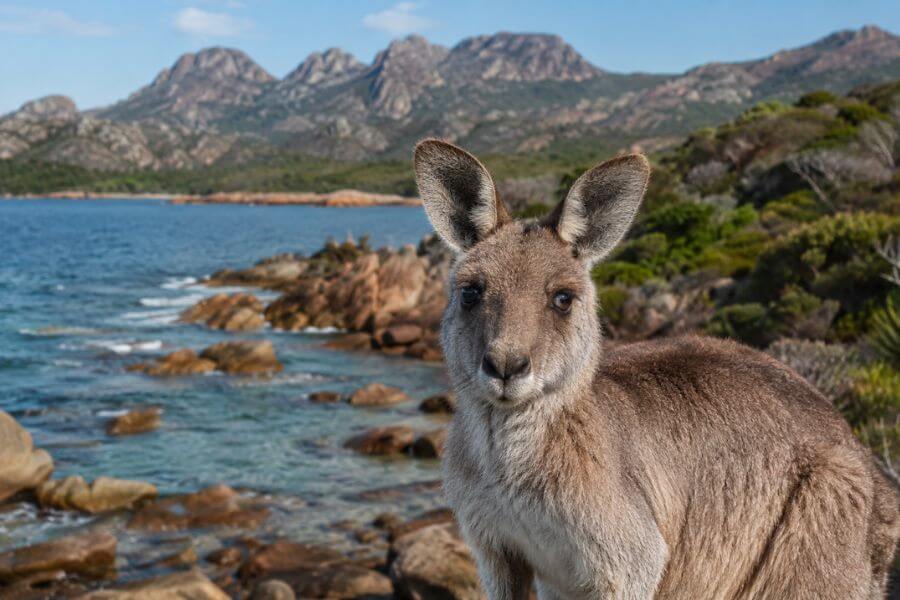
Australia is home to some of the most spectacular national parks in the world. From ancient rainforests and rugged mountain ranges to dramatic coastlines and red desert landscapes, the country offers endless opportunities for hiking and wildlife spotting. Whether you are an experienced trekker or simply enjoy peaceful walks in nature, Australia’s national parks provide unforgettable adventures.
The best part is that many of these parks are filled with unique animals that you cannot easily see anywhere else. Kangaroos, koalas, wombats, cassowaries, wallabies, platypuses, and countless bird species thrive in protected habitats across the country.
If you are planning your next outdoor adventure, these are the best national parks in Australia where you can combine incredible hiking trails with amazing wildlife encounters.
Quick Summary Table 🗺️
| Rank | National Park | State/Territory | Best For |
|---|---|---|---|
| 1 | Kakadu National Park | Northern Territory | Wildlife diversity and remote hiking |
| 2 | Blue Mountains National Park | New South Wales | Scenic hikes and waterfalls |
| 3 | Cradle Mountain-Lake St Clair National Park | Tasmania | Alpine walks and wombats |
| 4 | Daintree National Park | Queensland | Rainforest wildlife |
| 5 | Wilsons Promontory National Park | Victoria | Coastal hikes and native animals |
| 6 | Freycinet National Park | Tasmania | Beaches and mountain walks |
| 7 | Grampians National Park | Victoria | Lookouts and kangaroos |
| 8 | Kosciuszko National Park | New South Wales | Australia’s highest peak |
| 9 | Flinders Ranges National Park | South Australia | Outback landscapes and wildlife |
| 10 | Lamington National Park | Queensland | Rainforest hiking and birdwatching |
How We Ranked These National Parks ⭐
We used the following factors when selecting the best national parks for hiking and wildlife experiences:
- Quality and variety of hiking trails
- Chances of spotting native Australian wildlife
- Scenic beauty and unique landscapes
- Accessibility for visitors
- Trail maintenance and visitor facilities
- Diversity of ecosystems
- Overall visitor experience
- Opportunities for photography and nature observation
1. Kakadu National Park 🐊
Kakadu National Park is one of Australia’s greatest natural treasures. Covering almost 20,000 square kilometres, it is larger than many countries and contains wetlands, rivers, forests, rock formations, and ancient Aboriginal sites.
For hikers, Kakadu offers everything from short boardwalks to challenging bushwalks. The Barrk Sandstone Walk provides stunning views across the Arnhem Land escarpment, while Jim Jim Falls and Twin Falls offer memorable trekking opportunities during the dry season.
Wildlife enthusiasts will be amazed by the diversity. Saltwater crocodiles, wallabies, dingoes, flying foxes, and hundreds of bird species can all be found here. The wetlands are particularly impressive, especially during sunrise and sunset.
If you want a true Australian wilderness experience, Kakadu should be at the top of your list.
2. Blue Mountains National Park ⛰️
Located just outside Sydney, Blue Mountains National Park is one of Australia’s most accessible outdoor destinations.
The park features dramatic sandstone cliffs, eucalyptus forests, waterfalls, and deep valleys. The famous Three Sisters rock formation attracts visitors from around the world, but the real magic lies beyond the viewing platforms.
You can explore hundreds of kilometres of walking tracks, including the Grand Canyon Track, National Pass, and Wentworth Falls walks.
Wildlife sightings often include lyrebirds, cockatoos, wallabies, echidnas, and possums. The cool mountain air and incredible scenery make every hike feel rewarding.
For first-time visitors to Australia, the Blue Mountains offer a perfect balance of adventure and convenience.
3. Cradle Mountain-Lake St Clair National Park 🏔️
Tasmania’s Cradle Mountain-Lake St Clair National Park is often considered one of Australia’s most beautiful hiking destinations.
The landscape features jagged peaks, glacial lakes, ancient forests, and alpine meadows. Hiking options range from easy lakeside walks to multi-day adventures such as the famous Overland Track.
One of the biggest attractions is the wildlife. Wombats regularly graze near walking trails, especially during the evening. You may also encounter wallabies, echidnas, Tasmanian pademelons, and numerous bird species.
The changing weather adds drama to the scenery, creating a different experience every time you visit.
4. Daintree National Park 🌴
The Daintree Rainforest is one of the oldest tropical rainforests on Earth. Walking through this remarkable environment feels like stepping into another world.
The park offers well-maintained boardwalks and forest trails where giant trees, ferns, and vines create a lush green canopy overhead.
Wildlife is a major highlight. The endangered cassowary, one of Australia’s most iconic birds, lives here. Tree kangaroos, frogs, reptiles, butterflies, and colourful birds also call the rainforest home.
Because the rainforest meets the reef nearby, visitors can enjoy a unique combination of tropical landscapes rarely found elsewhere.
5. Wilsons Promontory National Park 🌊
Often called “The Prom” by locals, Wilsons Promontory is Victoria’s premier coastal national park.
The park combines white sandy beaches, granite mountains, forests, and scenic coastal trails. One of the most popular hikes leads to Mount Oberon, where panoramic views stretch across the coastline.
Wildlife is abundant throughout the park. Kangaroos, wombats, emus, rosellas, and echidnas are frequently seen by visitors.
Camping opportunities allow you to fully immerse yourself in nature and increase your chances of spotting wildlife during dawn and dusk.
6. Freycinet National Park 🐚
Freycinet National Park is famous for Wineglass Bay, one of the most photographed beaches in Australia.
While many visitors come for the stunning coastline, the hiking opportunities are equally impressive. The Wineglass Bay Lookout Walk offers incredible views, while longer trails lead to secluded beaches and rugged peaks.
Wildlife sightings often include wallabies, dolphins, seabirds, and occasionally whales during migration season.
The combination of pink granite mountains and crystal-clear waters creates a truly unforgettable outdoor experience.
7. Grampians National Park 🌄
The Grampians is one of Victoria’s best destinations for hikers who love dramatic scenery.
The park features towering sandstone ranges, waterfalls, wildflowers, and breathtaking viewpoints. Popular hikes include The Pinnacle, Mount William, and Mackenzie Falls.
Kangaroos are commonly seen around visitor areas, particularly during the early morning and evening. Emus, cockatoos, echidnas, and reptiles are also abundant.
The rich Aboriginal heritage found throughout the park adds another fascinating layer to your visit.
8. Kosciuszko National Park ❄️
Kosciuszko National Park protects Australia’s highest mountain and some of the country’s most unique alpine landscapes.
The Mount Kosciuszko Summit Walk is one of Australia’s most popular hiking routes. Despite reaching the highest point on the continent, the trail remains accessible for many fitness levels.
Wildlife includes mountain pygmy possums, wombats, wallabies, and a variety of alpine bird species.
During warmer months, colourful wildflowers cover the landscape, creating spectacular hiking conditions.
9. Flinders Ranges National Park 🦅
For an authentic Australian outback experience, few places compare to Flinders Ranges National Park.
The park’s rugged mountains, red earth, and ancient geological formations create stunning scenery. Hiking trails range from short scenic walks to challenging full-day adventures.
Wildlife is surprisingly abundant despite the harsh environment. Visitors often see kangaroos, emus, wedge-tailed eagles, and yellow-footed rock-wallabies.
The clear night skies also make this one of Australia’s best destinations for stargazing after a day of hiking.
10. Lamington National Park 🍃
Lamington National Park forms part of the Gondwana Rainforests and offers some of Australia’s finest rainforest walking tracks.
The extensive network of trails takes you through ancient forests, waterfalls, and mountain ridges. Tree-top walkways provide a unique perspective of the rainforest canopy.
Birdwatchers particularly love Lamington because it supports hundreds of bird species. You may also spot pademelons, reptiles, and various rainforest mammals.
The peaceful atmosphere makes it ideal if you prefer slower-paced hiking surrounded by nature.
Conclusion 🌏
Australia’s national parks offer some of the world’s most rewarding hiking and wildlife experiences. Whether you want to explore tropical rainforests, alpine mountains, rugged coastlines, or vast outback landscapes, there is a park perfectly suited to your interests.
Kakadu stands out for its incredible biodiversity, while Cradle Mountain delivers unforgettable alpine scenery. The Blue Mountains provide accessible adventure, and Daintree offers a rare chance to walk through one of the oldest rainforests on the planet.
No matter which park you choose, you will discover breathtaking landscapes, fascinating wildlife, and unforgettable memories along the way.
Frequently Asked Questions ❓
What is the best time of year to visit Australian national parks?
The ideal time depends on the location. Northern parks such as Kakadu are best visited during the dry season between May and October. Southern parks are often most enjoyable during spring and autumn when temperatures are mild.
Which national park offers the best chance of seeing kangaroos?
Wilsons Promontory, the Grampians, and Flinders Ranges all offer excellent opportunities to see kangaroos in their natural environment.
Are Australian national park hiking trails suitable for beginners?
Yes. Most major parks provide a mix of easy, moderate, and challenging trails, making them suitable for hikers of all experience levels.
Can you camp inside Australian national parks?
Many national parks offer campgrounds and designated camping areas. Some require advance bookings, particularly during busy holiday periods.
What should you bring when hiking in Australian national parks?
You should carry plenty of water, sun protection, suitable footwear, snacks, a map or navigation device, and weather-appropriate clothing. Conditions can change quickly in many parks.