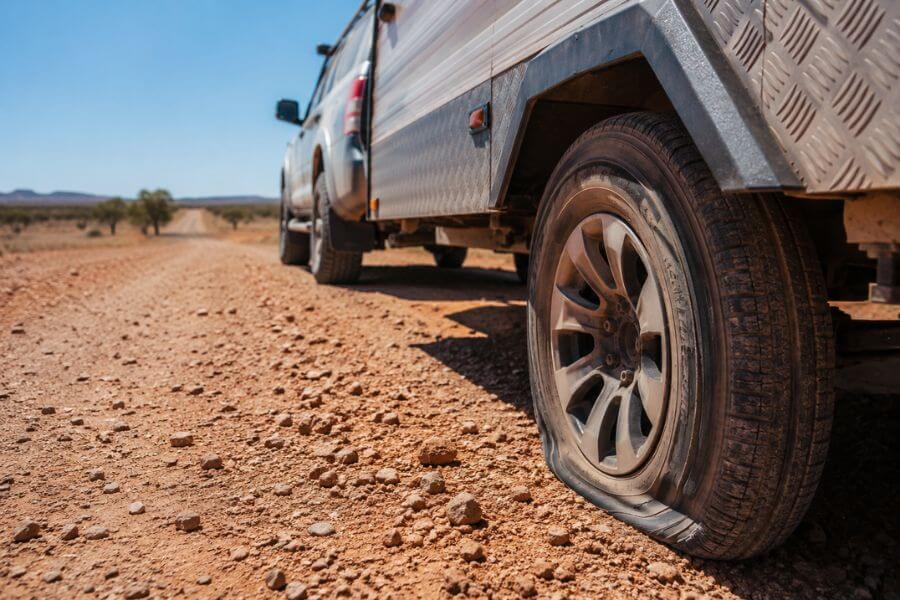
Travelling through the Australian Outback in a caravan is one of the most rewarding adventures you can experience. The vast landscapes, remote destinations, stunning sunsets, and unique wildlife create memories that last a lifetime. However, the Outback is very different from travelling in cities or along the coast.
Many first-time caravan travellers underestimate the challenges that come with long distances, limited services, harsh weather conditions, and remote roads. Small mistakes can quickly become expensive, stressful, or even dangerous when help is hundreds of kilometres away.
The good news is that most common problems can be avoided with proper planning and preparation. By understanding the mistakes that catch out many first-time travellers, you can enjoy a safer, smoother, and more enjoyable Outback journey.
Quick Summary Table
| Mistake | Why It Happens | Potential Consequences |
|---|---|---|
| 1. Underestimating distances | Lack of experience with remote travel | Running out of fuel, arriving late |
| 2. Carrying insufficient water | Assuming water is available everywhere | Dehydration and emergency situations |
| 3. Ignoring tyre maintenance | Limited knowledge of Outback roads | Tyre blowouts and vehicle damage |
| 4. Overloading the caravan | Packing too much equipment | Reduced safety and poor fuel economy |
| 5. Travelling without communication backups | Relying on mobile coverage | Inability to call for help |
| 6. Poor fuel planning | Assuming fuel stations are frequent | Being stranded in remote areas |
| 7. Driving beyond skill or weather conditions | Overconfidence or poor planning | Accidents and vehicle recovery costs |
How We Ranked These
We ranked these common mistakes using the following key factors:
- Frequency among first-time caravan travellers
- Potential safety risks involved
- Financial costs caused by the mistake
- Impact on overall travel enjoyment
- Difficulty of recovering from the mistake
- Likelihood of occurring in remote Outback locations
- Advice commonly shared by experienced caravan travellers
1. Underestimating Outback Distances
One of the biggest surprises for first-time caravan travellers is just how large Australia really is.
Looking at a map may make a destination appear relatively close, but driving times in the Outback are often much longer than expected. Roads can be rough, speed limits vary, and wildlife can force you to slow down, particularly around sunrise and sunset.
Many newcomers plan ambitious daily driving schedules only to find themselves exhausted before reaching their destination. Long hours behind the wheel can increase fatigue and reduce concentration.
Instead of focusing on covering the most kilometres possible, plan shorter driving days and allow extra time for unexpected delays. You will enjoy the journey more and reduce stress significantly.
Remember that distances between towns can be enormous. A fuel stop or rest break may be hundreds of kilometres away.
2. Carrying Insufficient Water
Water is one of the most important supplies you can carry in the Outback.
Many first-time travellers assume they can easily refill water tanks along the way. While some locations offer water supplies, they may not always be available, safe to drink, or operating when you arrive.
Hot temperatures can quickly increase water consumption. Even during cooler months, people often use more water than expected for drinking, cooking, washing, and cleaning.
Experienced travellers usually carry extra emergency water supplies beyond their normal daily requirements. This additional reserve can be critical if you experience vehicle problems, delays, or unexpected road closures.
Running low on water is one of the most avoidable yet potentially serious mistakes you can make in remote Australia.
3. Ignoring Tyre Maintenance
Outback roads place tremendous pressure on tyres.
Sharp rocks, corrugated roads, extreme temperatures, and long driving distances can all increase tyre wear. Many first-time caravan travellers check their tyres before leaving home but fail to inspect them regularly during the trip.
Incorrect tyre pressures are a common cause of problems. Tyres that are overinflated or underinflated can wear unevenly, overheat, and become more vulnerable to damage.
You should inspect both vehicle and caravan tyres regularly for cuts, bulges, punctures, and unusual wear patterns.
Carrying at least one suitable spare tyre is essential, while many experienced Outback travellers prefer carrying additional spares depending on their route.
A few minutes spent checking tyres each day can prevent major disruptions later.
4. Overloading the Caravan
Packing for a long Outback adventure can be exciting, but many travellers bring far more than they actually need.
Extra camping gear, tools, clothing, food, and recreational equipment can quickly push a caravan beyond its safe weight limits.
An overloaded caravan affects handling, braking performance, tyre wear, fuel consumption, and towing stability. It can also increase the risk of accidents, particularly on rough roads or during emergency manoeuvres.
Before departure, weigh your caravan and vehicle if possible. Know your legal weight limits and distribute loads evenly.
Focus on essential equipment rather than packing for every possible situation. Experienced travellers often discover that simpler setups are easier, safer, and more enjoyable.
5. Travelling Without Communication Backups
Many first-time travellers assume mobile phones will work throughout their trip.
Unfortunately, large sections of the Australian Outback have limited or no mobile coverage. Once you leave major towns and highways, your phone may become useless for long periods.
If you experience mechanical issues, become bogged down, or encounter a medical emergency, communication becomes extremely important.
Depending on your route, alternative communication options may include satellite phones, emergency beacons, or other remote communication devices.
It is also wise to inform family or friends about your planned route and expected arrival dates.
Having a communication backup provides peace of mind and can significantly improve safety during remote travel.
6. Poor Fuel Planning
Running out of fuel in the Outback is a mistake that continues to catch inexperienced travellers every year.
Fuel stations can be hundreds of kilometres apart, and operating hours may differ from what you are used to in larger towns.
Strong headwinds, rough roads, towing conditions, and vehicle weight can all increase fuel consumption. A vehicle that normally performs well around town may use considerably more fuel in remote conditions.
Always research fuel availability before travelling and maintain a comfortable fuel reserve whenever possible.
Many experienced travellers follow a simple rule: refill when fuel is available rather than waiting until the tank is nearly empty.
A conservative fuel strategy helps reduce stress and lowers the risk of becoming stranded.
7. Driving Beyond Skill or Weather Conditions
The Outback rewards careful and patient drivers.
Unfortunately, some first-time travellers attempt difficult tracks, river crossings, or remote routes without understanding the conditions ahead.
The weather can change rapidly. Heavy rain may transform roads into muddy, impassable tracks. Flooding can occur even when the local weather appears clear.
Driving too fast on gravel roads is another common mistake. Corrugations, loose surfaces, and unexpected obstacles can quickly lead to loss of control.
Always research road conditions before departure and be prepared to change your plans if conditions deteriorate.
There is no shame in turning around or waiting for safer conditions. Experienced Outback travellers often prioritise safety over sticking to a schedule.
Conclusion
A caravan trip through the Australian Outback can be one of the most incredible travel experiences you will ever have. The key to a successful journey is preparation, patience, and realistic expectations.
Most first-time caravan mistakes occur because travellers underestimate the challenges of remote travel. Long distances, limited services, harsh conditions, and changing weather require a different mindset compared to traditional road trips.
By carrying enough water, planning fuel stops carefully, maintaining your tyres, avoiding overloads, preparing communication backups, and driving within your limits, you can dramatically improve both safety and enjoyment.
Learn from the mistakes of others, take your time, and embrace the adventure. The Outback rewards those who travel prepared.
Frequently Asked Questions
How much water should I carry for an Outback caravan trip?
Requirements vary depending on weather, trip length, and the number of travellers. In general, you should always carry additional emergency water beyond your normal daily needs in case of delays or vehicle problems.
Is a four-wheel drive necessary for Outback caravan travel?
Not always. Many popular Outback destinations are accessible with suitable towing vehicles on maintained roads. However, some remote tracks and regions may require a four-wheel drive vehicle.
What is the best time of year to caravan through the Outback?
Many travellers prefer the cooler months between April and September. Temperatures are generally more comfortable, and conditions are often better for outdoor activities.
How often should I inspect my caravan and vehicle during the trip?
A quick daily inspection is recommended. Check tyres, lights, wheel nuts, hitch connections, fluid levels, and any visible signs of damage before continuing your journey.
Should I travel alone on my first Outback caravan trip?
Many people do travel alone successfully, but first-time travellers may benefit from travelling with companions or sticking to well-travelled routes until they gain more experience and confidence.