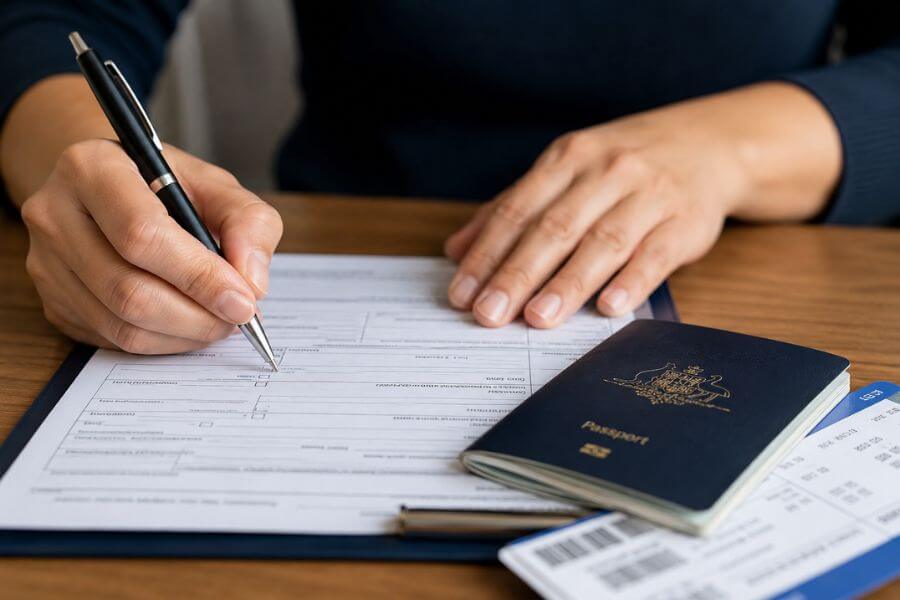
A Working Holiday Visa gives you the chance to live, work, and travel across Australia while experiencing a completely different lifestyle. For many young travellers, it is one of the most exciting ways to spend a year abroad. However, getting approved is not always as simple as filling out an application and booking a flight.
Some requirements are straightforward, while others can become major obstacles if you are not prepared. Certain rules involve financial proof, health checks, age restrictions, and documentation that can take time to organise. Missing even one important requirement can delay your plans or result in your visa application being refused.
To help you prepare properly, this guide covers the four hardest Working Holiday Visa requirements to clear before moving to Australia and explains how you can improve your chances of a smooth application process.
Quick Summary Table
| Requirement | Why It Is Difficult | What You Need to Do |
|---|---|---|
| 1. Meeting the Age Limit | Strict age restrictions apply | Apply before reaching the maximum eligible age |
| 2. Proving Sufficient Funds | Financial evidence may be requested | Show enough savings to support yourself |
| 3. Passing Health Requirements | Medical examinations can be required | Complete health checks and meet standards |
| 4. Providing Accurate Documentation | Errors can delay or affect approval | Prepare complete and correct documents |
How We Ranked These
We ranked these requirements using the following factors:
- How often applicants struggle with the requirement
- Potential impact on visa approval
- Time needed to prepare supporting documents
- Financial burden involved
- Likelihood of causing application delays
- Difficulty of fixing issues after submission
- Importance for first-time Working Holiday Visa applicants
1. Meeting the Age Limit
One of the toughest Working Holiday Visa requirements is something you cannot change once you become ineligible: your age.
Australia’s Working Holiday Visa programme is designed for young adults from eligible countries. The age range varies depending on nationality and visa subclass. Many applicants leave their plans too late and discover they have already exceeded the age limit.
Unlike other requirements that can be addressed with extra paperwork or preparation, age eligibility is absolute. If you do not meet the age criteria when you apply, your application will generally not proceed.
This requirement can become particularly stressful if you are close to the maximum age limit and still need to gather documents, arrange finances, or wait for passport renewals.
To avoid problems:
- Check your country’s eligibility rules early
- Confirm the current age requirements before applying
- Allow plenty of time for processing
- Submit your application well before your eligibility expires
Planning ahead is the best defence against missing this requirement.
2. Proving Sufficient Funds
Moving to Australia can be expensive, especially during your first few weeks.
Most Working Holiday Visa applicants need to demonstrate they have enough money to support themselves when they arrive. This requirement exists because the Australian government wants visitors to be able to cover accommodation, food, transport, and other living expenses while searching for work.
Many applicants underestimate how much money they will need. Even if you plan to find a job quickly, you may spend several weeks attending interviews, arranging accommodation, opening bank accounts, and settling into a new city.
The challenge often comes from gathering acceptable evidence. Financial documents must usually be recent, clear, and accurately show that the funds belong to you.
Common issues include:
- Insufficient savings
- Unclear bank statements
- Missing financial records
- Funds borrowed temporarily to meet requirements
- Currency fluctuations affecting balances
The best approach is to build a financial buffer well before applying. Having extra savings beyond the minimum requirement can also make your move to Australia less stressful.
3. Passing Health Requirements
Health requirements can become one of the most time-consuming parts of the visa process.
Depending on your circumstances, travel history, intended work, or length of stay, you may be asked to complete medical examinations. These assessments help ensure applicants meet Australia’s health standards.
While many people complete these checks without difficulty, some applicants face delays because appointments are not immediately available. Others may need additional testing or specialist reports before their application can continue.
The process may include:
- General medical examinations
- Chest X-rays
- Health questionnaires
- Additional specialist assessments if required
The challenge is not always the medical examination itself. Delays often occur because applicants wait until the last minute to schedule appointments or fail to submit requested information promptly.
To make the process easier:
- Book medical appointments as soon as instructed
- Attend all required examinations
- Bring correct identification documents
- Respond quickly to any follow-up requests
Being proactive can prevent health assessments from delaying your move.
4. Providing Accurate Documentation
Many visa applications encounter problems because of documentation errors.
Although preparing documents may sound simple, it often becomes one of the hardest parts of the entire process. Every detail must be accurate, consistent, and complete.
Applicants commonly need documents such as:
- A valid passport
- Identity documents
- Financial evidence
- Travel history information
- Supporting forms and declarations
Small mistakes can create larger issues. Incorrect names, inconsistent dates, missing pages, unclear scans, or incomplete answers can all trigger delays.
Documentation becomes even more challenging if you have:
- Multiple citizenships
- Previous visa refusals
- Frequent international travel history
- Recently changed personal details
- Documents issued in different languages
Before submitting your application, review everything carefully. Double-check names, passport numbers, dates, and supporting evidence to ensure all information matches exactly.
A well-organised application often moves through the process much more smoothly than one containing avoidable errors.
Conclusion
Applying for an Australian Working Holiday Visa is an exciting step towards living and travelling abroad, but preparation is essential. While many parts of the application process are straightforward, some requirements can create significant challenges if you leave them until the last minute.
Meeting the age limit, proving sufficient funds, passing health requirements, and providing accurate documentation are often the biggest hurdles applicants face. Each of these requirements can affect your eligibility, approval timeline, or overall visa outcome.
By researching early, organising your paperwork carefully, maintaining strong financial records, and responding quickly to any requests, you can greatly improve your chances of a successful application and start your Australian adventure with confidence.
Frequently Asked Questions
How long before my planned departure should I apply for a Working Holiday Visa?
It is generally wise to begin preparing several months before your intended departure date. This allows enough time for gathering documents, completing health checks, and handling any unexpected delays.
Can I apply for a Working Holiday Visa while I am already travelling overseas?
In many cases, yes. Applicants often submit their applications while outside their home country, provided they meet the eligibility requirements and follow the visa conditions that apply to their nationality.
What happens if my passport expires soon after arriving in Australia?
A passport with limited validity can create complications. It is usually recommended to renew your passport before applying if it will expire during your planned stay.
Do I need a job offer before applying for a Working Holiday Visa?
No. The purpose of the visa is to allow eligible travellers to work and travel in Australia. Most applicants do not need a job offer before submitting their application.
Can previous international travel affect my application?
In some cases, extensive travel history may result in additional questions or documentation requests. Providing accurate travel information helps avoid unnecessary delays during processing.