Packing for a massive trip across the world can feel like trying to fit your entire life into a tiny box. If you pack too much, your back will ache from hauling heavy bags through endless airport corridors. If you pack too little, you might find yourself stranded in a foreign country without your favorite essentials. This guide will walk you through every single item you need for a smooth flight and an incredible long-term adventure abroad.
Key Takeaways for Master Packers
Before digging into the specific gear, keep these golden rules in mind to make your travel experience seamless:
- The Layering Rule: Wear your heaviest items like your thickest jacket, bulkiest boots, and coziest sweater directly onto the plane to save precious suitcase space and weight.
- The Digital Backup: Never rely solely on your phone. Always keep physical printouts of your passport, flight tickets, hotel bookings, and travel insurance stored securely in a separate bag.
- The Golden Ratio: Aim to pack exactly one week worth of clothing, regardless of whether your trip lasts two weeks, two months, or a full year. You can always do laundry on the road.
- The Flight Survival Kit: Keep your absolute essentials: medication, electronics, a fresh change of clothes, and basic toiletries in your personal item bag just in case your checked luggage gets delayed.
Essential Travel Documents and Financial Security
Your travel documents are the single most important part of your packing checklist. If you lose your favorite shirt, you can easily buy a new one at your destination. If you lose your passport, your entire trip comes to a grinding halt. Preparing your documents requires careful attention to detail well before you head to the airport.
Identifying Information and Government Papers
Your passport is your golden ticket to the world. Ensure that your passport has at least six months of validity remaining from the day you plan to arrive in your destination country. Many airlines will flatly refuse to let you board the plane if your passport expires sooner, as foreign border control agencies are highly strict about this rule. Check if your destination requires a tourist visa, an electronic travel authorization, or specific health forms. Print out confirmation pages for every single document.
Keep your driver’s license or a national identity card in your wallet as a secondary form of identification. This allows you to leave your physical passport locked securely in your hotel safe while you explore, while still having a valid photo ID on you.
Financial Tools and Currency Strategy
Navigating foreign economies requires a smart mix of payment methods. Never rely on a single credit card. Carry at least two different credit cards and one debit card, preferably from different banking networks. This ensures that if one network faces an outage or a specific merchant does not accept your primary card, you have an immediate backup.
Before you leave your house, call your banks or use their mobile apps to set travel notices. Let them know exactly which countries you will visit and the dates you will be away. If you skip this step, your bank might flag your first international purchase as fraud and instantly freeze your account, leaving you stranded without funds.
Carry a small amount of local currency with you when you land. Around fifty to one hundred dollars worth of local cash is usually enough to cover airport taxis, public transit tickets, or quick snacks at small markets that do not accept plastic. Avoid using airport currency exchange kiosks, as they offer notoriously poor rates. Instead, use a trusted bank ATM at your destination to withdraw local cash.
Digital Protections and Information Backups
Technology makes travel easier, but it also creates new vulnerabilities. Take high-resolution photos of your passport photo page, your visas, your driver’s license, and your medical insurance cards. Upload these images to a secure cloud storage folder that you can access from any computer or smartphone globally.
Print out a physical sheet of paper containing emergency phone numbers. This list should include the local contact number for your home country embassy in your destination city, your bank fraud hotlines, your travel insurance claim number, and the address of your accommodation. If your smartphone battery dies or the device gets stolen, this piece of paper will be your lifeline.
| Document Type | Physical Storage Location | Digital Storage Backup |
| Primary Passport | Personal item bag under the seat | Secure cloud folder and email |
| Tourist Visas | Folded inside passport sleeve | Offline photo album on phone |
| Credit and Debit Cards | Main wallet and hidden money belt | Bank mobile applications |
| Health Insurance Cards | First-aid kit or wallet | PDF copy on cloud drive |
| Lodging Confirmations | Outer pocket of carry-on | Saved offline in travel app |
The Perfect Carry-On and Personal Item Setup
Your carry-on baggage strategy dictates how comfortable you will be during a twelve-hour flight. You need to organize your gear so that items you need at thirty thousand feet are instantly accessible without forcing you to stand up and rummage through the overhead bins constantly.
Choosing Your Luggage Vessels
Most international airlines allow you to bring one standard carry-on bag to place in the overhead bin and one small personal item to store completely under the seat in front of you. A lightweight, durable backpack with padded shoulder straps makes an excellent personal item. It leaves your hands free to navigate the airport terminals and fits comfortably under the tightest economy seats. For your larger carry-on, choose a sturdy spinner suitcase with four multi-directional wheels or a spacious travel duffel bag. Ensure the dimensions comply strictly with your airline-specific size limits to avoid unexpected baggage fees at the gate.
In-Flight Comfort and Sleep Enhancement
The cabin environment of a long-haul flight is a harsh mix of dry air, loud engine hums, and unpredictable temperature swings. To get actual sleep, you must construct a mini sanctuary. A high-quality neck pillow is essential. Memory-foam pillows that clasp around your neck provide the best support and prevent your head from bobbing forward when you drift off to sleep.
Pack a lightweight, breathable eye mask that blocks out the cabin lights completely. This is incredibly helpful when flight attendants turn on the bright lights for meal service while you are trying to rest. A pair of soft silicone earplugs or high-quality noise-canceling headphones will drown out engine noise and crying babies, allowing your brain to relax.
Airplanes are notoriously chilly due to the powerful air-conditioning systems. Pack a pair of thick, warm socks to wear once you slip your shoes off, along with a lightweight scarf or a packable blanket. This keeps you warm without adding weight to your luggage.
Entertainment and Tech Essentials
A long flight passes much faster when you have a curated selection of entertainment. Download movies, television shows, podcasts, and audiobooks directly to your smartphone or tablet before you leave your home wireless network. Do not rely on the airplane seatback screen, as these systems can break down or offer limited options.
Pack a high-capacity portable power bank to keep your electronics charged throughout the journey. Flight USB ports are often slow or completely non-functional, and a dead phone at a foreign border control station is a recipe for stress. Bring a multi-port wall charger and the correct charging cables for all your devices. Keep these cords organized in a small tech pouch so they do not tangle into a giant knot at the bottom of your bag.
Refreshment and Hydration Gear
Airplane cabins have incredibly low humidity levels, which can quickly leave you feeling dehydrated and exhausted. Bring a durable, empty water bottle through airport security and fill it up at a water station before boarding your flight. This allows you to sip water whenever you want, rather than waiting for the flight attendants to pass by with tiny plastic cups.
Pack a few healthy, non-perishable snacks to keep your energy steady. Raw nuts, dried fruit, protein bars, and oatmeal packets are excellent choices. They provide clean energy without the sugar crashes associated with airport candy or processed plane food.
Clothing Strategy for the Flight and the Destination
Choosing what clothes to pack for an extended overseas trip requires a strict focus on versatility, durability, and comfort. Every single item you place in your suitcase must earn its spot by matching with multiple other pieces.
The Art of the Flight Outfit
Your flight outfit should look presentable while feeling as comfortable as pajamas. Avoid stiff denim, tight waistbands, or complicated belts. Instead, opt for soft, stretchable trousers or high-quality joggers. Wear a breathable cotton t-shirt as your base layer, add a long-sleeve shirt over it, and finish with a cozy sweatshirt or jacket. This layering system allows you to adapt instantly, whether the plane feels like an icebox or an oven. Choose slip-on shoes or sneakers that are easy to remove at airport security checkpoints and comfortable for walking miles across massive airport terminals.
Building an Adaptable Travel Wardrobe
When packing for an extended trip, choose a cohesive color palette. Stick to neutral tones like black, gray, navy, white, and olive green. When all your tops match all your bottoms, you can create dozens of unique outfits from just a handful of clothing pieces.
Focus on lightweight, moisture-wicking fabrics like merino wool, nylon, and polyester blends. Merino wool is a miracle fabric for travelers because it resists odors naturally, dries quickly after washing, and regulates your body temperature in both hot and cold climates. Avoid heavy cotton items like thick hoodies or massive sweatpants, which take up enormous space and take days to air-dry.
Footwear Selection and Care
Shoes take up the most physical space and add the most weight to your luggage, so you must limit yourself strictly to two or three pairs.
- Pair One: A high-quality, broken-in pair of walking sneakers or light hiking shoes. You will wear these during long walking tours, transit days, and outdoor adventures.
- Pair Two: A smarter, casual shoe like a sleek leather loafer, a clean white sneaker, or a nice flat. This pair is for dining out at nicer restaurants or exploring cities without looking like a rugged tourist.
- Pair Three: A lightweight pair of sandals or flip-flops. These are essential for warm beach days, communal hostel showers, or simply relaxing around your accommodation.
Never pack brand-new shoes for an extended trip. Always wear them around your neighborhood for at least a few weeks before leaving to ensure they do not cause painful blisters.
| Clothing Category | Quantity for Men | Quantity for Women | Ideal Fabrics |
| Tops and Shirts | 5 T-shirts, 2 Collared shirts | 5 Tops, 2 Blouses or dresses | Merino wool, Cotton blends |
| Bottoms and Trousers | 2 Shorts, 2 Long pants | 2 Shorts, 2 Pants or leggings | Nylon, Spandex, Light linen |
| Underwear and Socks | 7 Pairs of each | 7 Pairs of each | Synthetic mesh, Merino wool |
| Outerwear layers | 1 Fleece, 1 Rain jacket | 1 Cardigan, 1 Rain jacket | Polyester fleece, Gore-tex |
Toiletries, Health, and Personal Care Essentials
Managing your health and personal hygiene while living out of a suitcase requires careful preparation. You need to balance the strict liquid regulations enforced by airport security with your daily self-care needs.
Navigating the Liquid Restrictions
Most transportation agencies worldwide enforce the rule where all liquids, gels, and aerosols in your carry-on bag must be in containers of three and a half ounces or less. All these tiny containers must fit comfortably inside a single clear, quart-size plastic zip bag.
To save space and avoid leaks, transition as many of your toiletries to solid forms as possible. Solid shampoo bars, solid conditioner, bar soap, and solid deodorant sticks work just as well as their liquid counterparts. They will never leak inside your luggage, and they do not count toward your liquid allowance at airport security. For the liquids you must bring, buy high-quality silicone travel bottles that seal tightly to prevent messy spills caused by cabin pressure changes.
Daily Hygiene and Grooming Kit
Pack a compact toothbrush with a ventilated cover to keep the bristles clean and dry. Choose a travel-size tube of toothpaste, a small container of dental floss, and a compact hairbrush or comb. If you shave regularly, pack a durable safety razor with a protective guard and a small tube of brushless shaving cream.
Do not forget a high-SPF sunscreen and a reliable insect repellent, especially if you are traveling to tropical regions. While you can buy these abroad, specific formulas or trusted brands might be difficult to locate or far more expensive in tourist heavy areas.
The Ultimate Travel First-Aid Kit
Getting sick in a foreign country where you do not speak the local language can be terrifying. A well-stocked medical kit provides peace of mind and quick relief. Pack a sufficient supply of your personal prescription medications to last the entire duration of your trip, plus an extra week worth in case of travel delays. Always keep these medications in their original pharmacy bottles with your name clearly printed on the label to avoid issues at international customs.
Include a selection of over-the-counter medications to treat common travel ailments:
- Pain and Fever Relief: Ibuprofen or acetaminophen for headaches, muscle soreness, or sudden fevers.
- Digestive Comfort: Antacids, anti-diarrhea tablets, and motion sickness medication for bumpy boat rides or winding mountain roads.
- Allergy Management: Antihistamine pills to combat unexpected seasonal allergies or itchy bug bites.
- Wound Care: A mix of adhesive bandages in various sizes, antiseptic wipes to clean cuts, and a tiny tube of antibacterial ointment.
- Blister Defense: Moleskin padding or specialized blister bandages to protect your feet during heavy walking days.
Technology, Electronics, and Connectivity Tools
In our modern world, electronics keep us connected, help us navigate unfamiliar streets, and capture precious memories. Protecting your tech and keeping it powered up is a vital aspect of packing.
Power Adapters and Voltage Protection
Different countries use completely different plug shapes and electrical voltages. A universal travel adapter is a non-negotiable item for any overseas trip. Choose a high-quality adapter that features multiple built-in slider plugs matching the outlets of the Americas, Europe, the United Kingdom, and Australia. Look for an adapter that also includes several integrated USB ports. This allows you to charge your phone, camera, and power bank simultaneously using a single wall outlet, which is incredibly useful in older hotels with limited plugs.
Be aware of voltage differences. While most modern electronics like laptops and smartphones are dual-voltage and work safely anywhere, high-draw appliances like hair dryers or curling irons often do not. Leave these items at home, as plugging a single-voltage appliance into a foreign outlet can permanently fry the device or cause a dangerous electrical fire.
Connectivity and Communication Tools
Staying connected to the internet makes navigating a foreign city remarkably simple. Check if your smartphone is unlocked by your carrier before you depart. An unlocked phone allows you to purchase a local physical subscriber identity module card, commonly known as a SIM card, or download a digital eSIM once you land. Local data plans are almost always significantly cheaper than international roaming packages offered by your home network, and they give you access to local maps, translation apps, and ride-hailing services instantly.
Security and Protection for Gear
Electronics are prime targets for thieves and are highly susceptible to damage from rough handling. Invest in padded, water-resistant sleeves for your laptop or tablet. Never pack your expensive electronics in your checked luggage, as bags are often thrown roughly onto luggage carousels and automated conveyor belts. Keep all your devices, cords, and memory cards inside your carry-on bag or personal item where you can watch them at all times.
Organization Hacks and Smart Packing Systems
How you pack your suitcase is just as important as what you pack. Using smart organizational systems can double your available space and eliminate the frustration of digging through a messy bag to find a clean pair of socks.
The Power of Packing Cubes
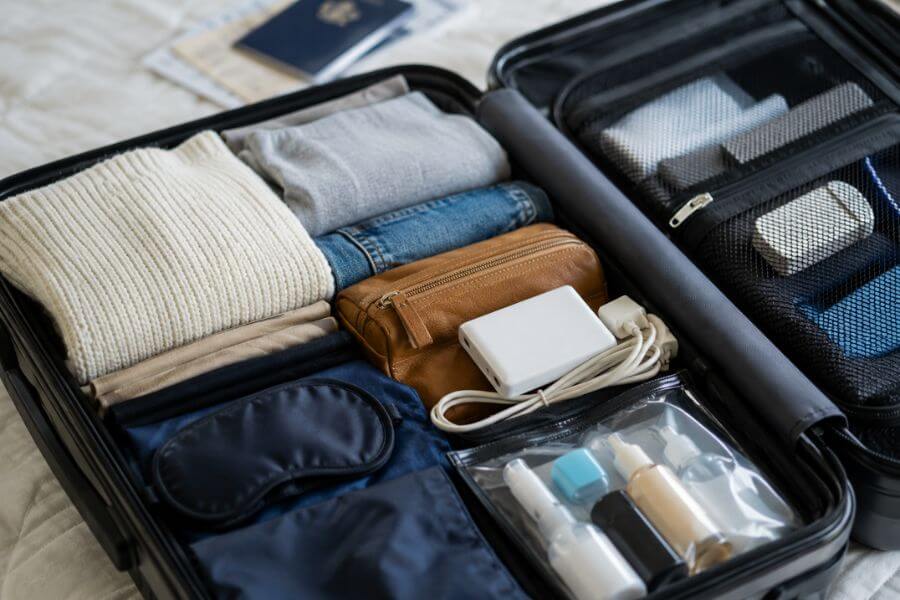
Packing cubes are small fabric containers that act like portable drawers for your suitcase. They revolutionize the way you travel. You can dedicate one cube to shirts, another to pants, and a smaller one to underwear and socks.
When you arrive at your destination, you do not need to unpack your entire bag. Simply lift the cubes out of your suitcase and place them directly into the hotel dresser drawers. This keeps your clothes clean, unwrinkled, and perfectly organized throughout your trip.
Maximizing Space Inside Your Bag
To fit the maximum amount of clothing into your packing cubes, discard the traditional folding method and adopt the rolling method. Rolling your clothes tightly into compact cylinders saves incredible amounts of space and reduces wrinkles significantly.
Utilize every single inch of empty space within your suitcase. The interiors of your packed shoes are perfect storage zones for rolled-up socks, small electronic cables, or fragile souvenirs. Place heavier items like shoes and toiletry bags near the bottom of your wheeled suitcase, close to the wheels. This keeps the bag stable and prevents it from tipping over when you stand it upright.
Managing Dirty Laundry
Keeping your clean clothes separated from your dirty items is essential during an extended trip. Pack a lightweight, washable fabric laundry bag or a simple nylon drawstring bag. As you wear your clothes, place them immediately into the laundry bag.
This prevents odors from transferring to your fresh clothing and makes it incredibly easy to grab your dirty gear when you locate a local laundromat or use your accommodation laundry services.
Long-Haul Flight Survival Strategy and Comfort
Surviving a grueling long-haul flight requires more than just the right gear. It requires a mental and physical strategy to keep your body feeling good and your mind relaxed through multiple time zones.
Pre-Boarding Preparation Routine
Your flight survival strategy begins before you step foot onto the aircraft. Eat a light, nutritious meal at the airport terminal. Avoid heavy, greasy foods or carbonated sodas, which can cause intense bloating and digestive discomfort when the aircraft cabin pressurizes at high altitudes.
Take a brisk walk around the airport terminal gates before boarding. You will be sitting stationary for many hours, so stretching your legs and getting your blood circulating early is highly beneficial.
The In-Flight Wellness Plan
Once the plane reaches cruising altitude, set your watch or smartphone to the local time zone of your destination. This simple psychological trick helps your brain begin adjusting to the new time schedule immediately.
Drink a full glass of water every hour or two. Avoid excessive caffeine or alcoholic beverages during the flight, as both act as diuretics and will worsen the dehydrating effects of the dry cabin air.
To prevent deep vein thrombosis, a dangerous condition where blood clots form in your legs due to prolonged inactivity, make a conscious effort to move. Every two hours, stand up and walk up and down the airplane aisles for a few minutes. While seated, you can perform simple exercises like flexing your ankles, rotating your feet in circles, and lifting your knees toward your chest.
Post-Landing Refreshment
Before the plane begins its descent, head to the aircraft lavatory to refresh your body. Brush your teeth, splash cool water on your face, apply a fresh layer of moisturizer, and put on a clean change of clothes if you packed one in your personal item bag. This simple routine washes away the grime of a twelve-hour flight and provides a massive boost of energy, ensuring you land at your destination feeling human and ready to tackle customs lines.
Frequently Asked Questions
What should I do if the airline loses my checked suitcase?
Remain calm and head immediately to the baggage claim service desk located inside the arrivals terminal before you exit through customs. Fill out a formal property irregularity report, describing your suitcase color, brand, and any identifying marks in detail. Provide them with the physical baggage tracking sticker that was attached to your boarding pass when you checked in. Give the airline agent your exact hotel address and your local phone number. Because you wisely packed a fresh change of clothes, essential toiletries, and all your important documents in your carry-on bag, you can comfortably travel to your hotel and wait for the airline to deliver your luggage, which usually occurs within twenty-four to forty-eight hours.
How do I wash my clothes during an extended overseas trip?
You have several reliable options depending on your budget and travel style. The most economical method is sink washing. Pack a small travel sink stopper and a few packets of concentrated laundry liquid or solid laundry soap sheets. Wash your quick-drying merino wool and synthetic clothes directly in your hotel bathroom sink, wring them out tightly inside a clean towel, and hang them to dry overnight on a portable clothesline. Alternatively, you can locate a local coin-operated laundromat for a deeper clean, or pay your hotel or hostel to handle your laundry, though hotel services are often significantly more expensive.
How can I avoid paying expensive baggage fees at the airport?
Avoid unexpected fees by weighing and measuring your packed suitcases at home using a digital luggage scale before you leave for the airport. Check your specific airline baggage allowances online, as domestic flights within foreign countries often have far stricter weight limits than international long-haul flights. If your bag is slightly over the limit, remove your heaviest clothing items—such as a thick jacket or heavy boots—and wear them directly onto the plane. You can also redistribute heavier items from your checked suitcase into your carry-on backpack or personal item bag, which airlines rarely weigh.
Should I buy a travel backpack or a rolling suitcase for an extended trip?
The ideal choice depends entirely on your specific itinerary and travel style. If you are planning a city-centric vacation where you will move primarily between modern airports, paved sidewalks, and hotels with working elevators, a four-wheel rolling suitcase offers incredible ease of movement and requires no physical strain on your back. However, if your trip involves navigating historic European cobblestone streets, riding crowded public buses in developing nations, or moving frequently between rustic hostels, a dedicated travel backpack is vastly superior. A backpack keeps your hands completely free and allows you to move effortlessly over uneven terrain where small suitcase wheels would instantly get stuck.
How do I protect my money and valuables from pickpockets while exploring?
Protect your funds by practicing diversification. Never carry all your cash and cards in one place. Keep a primary credit card and a small amount of daily spending money in a secure, zippered front pocket or a crossbody bag that sits tightly against your chest. Store your backup credit cards, extra cash, and passport inside a flat money belt worn hidden beneath your clothing, or leave them locked inside your accommodation room safe. Avoid flashing large amounts of cash in busy public markets, and be highly alert in crowded areas like subway cars, train stations, and popular tourist monuments where pickpockets operate most frequently.