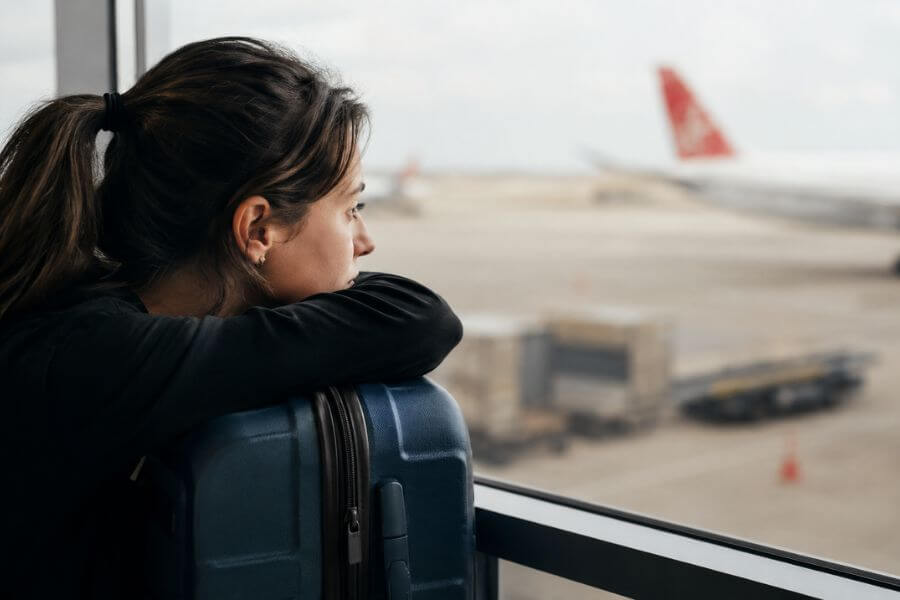
Moving to Australia alone can be one of the most exciting decisions you ever make. The country offers beautiful beaches, vibrant cities, strong job opportunities, and an excellent quality of life. Whether you are arriving on a skilled visa, student visa, working holiday visa, or permanent residency pathway, Australia attracts thousands of newcomers every year.
However, relocating to the other side of the world without family or friends comes with challenges that many people underestimate. While social media often highlights sunny weather and stunning scenery, the reality of starting a new life alone can be emotionally, financially, and mentally demanding.
Before you pack your bags, it is important to understand the biggest difficulties you may face. Knowing these challenges ahead of time can help you prepare better and settle into Australian life more smoothly.
Quick Summary Table 📋
| Rank | Challenge | Difficulty Level |
|---|---|---|
| 1 | Feeling lonely and isolated | Very High |
| 2 | Finding affordable housing | Very High |
| 3 | Building a social circle | Very High |
| 4 | Managing the high cost of living | High |
| 5 | Finding your first job | High |
| 6 | Understanding Australian culture | Moderate to High |
| 7 | Handling homesickness | High |
| 8 | Navigating paperwork and bureaucracy | Moderate |
| 9 | Adjusting to Australia’s geography and distances | Moderate |
| 10 | Creating a support system from scratch | Moderate to High |
How We Ranked These Challenges 🔍
We ranked these difficulties based on several important factors:
- Impact on daily life
- Financial stress involved
- Emotional and mental health effects
- How commonly migrants experience the challenge
- Time required to overcome the issue
- Difficulty level for people moving completely alone
- Long-term effect on settlement success
- Adaptation required for international newcomers
1. Feeling Lonely and Isolated 😔
The hardest part of moving to Australia alone is often loneliness.
When you first arrive, everything feels new. You may not know anyone in your city. There are no familiar faces, no family dinners, and no close friends to call when you have a difficult day.
Many newcomers expect to feel excited all the time. Instead, they are surprised by how isolated they feel once the initial excitement fades.
Simple moments can become emotional. Celebrating birthdays alone, spending weekends by yourself, or missing family gatherings can create a strong sense of isolation.
The challenge becomes even harder if you move to a smaller city or regional area where you know nobody.
The good news is that these feelings usually improve over time as you begin creating connections and establishing routines.
2. Finding Affordable Housing 🏠
Australia’s housing market remains one of the biggest challenges for newcomers in 2026.
Major cities such as Sydney, Melbourne, Brisbane, and Perth continue to experience strong demand for rental properties. Competition can be intense, especially for affordable accommodation.
As a newcomer, you may face additional difficulties because:
- You have no local rental history
- You lack Australian references
- You may not yet have stable employment
- Landlords often prefer established tenants
Many migrants end up staying in temporary accommodation longer than expected while searching for a suitable place to live.
Housing costs can consume a large portion of your income, making financial planning especially important during your first year.
3. Building a Social Circle 👥
Making friends as an adult is difficult almost everywhere, and Australia is no exception.
Australians are generally friendly and welcoming, but developing close friendships takes time. Many locals already have established friendship groups from school, university, or work.
When moving alone, you must actively create opportunities to meet people.
This may involve:
- Joining sports clubs
- Attending community events
- Participating in hobby groups
- Networking through work
- Volunteering
- Joining expatriate communities
Building meaningful friendships rarely happens overnight. It often requires months of consistent effort and patience.
Many newcomers say this process was far harder than they expected.
4. Managing the High Cost of Living 💷
Australia offers high wages, but it also comes with significant living expenses.
New arrivals are often shocked by the cost of:
- Rent
- Groceries
- Public transport
- Mobile phone plans
- Utility bills
- Eating out
- Vehicle ownership
Moving alone can increase these expenses because you do not have anyone to share costs with.
During your first few months, you may also face additional expenses such as:
- Bond payments
- Furniture purchases
- Transportation costs
- Visa-related expenses
- Emergency savings requirements
Without careful budgeting, financial stress can quickly become overwhelming.
5. Finding Your First Job 💼
Securing your first Australian job can feel frustrating.
Many employers prefer candidates with local experience, creating a challenge for newcomers who have just arrived.
You may discover that:
- Your overseas qualifications require recognition
- Employers want Australian references
- Recruitment processes differ from your home country
- Certain industries have licensing requirements
Even highly qualified professionals sometimes need several months to secure suitable employment.
The first job often serves as an important stepping stone. Once you gain Australian experience, future opportunities usually become easier to access.
Persistence is often the key to success during this stage.
6. Understanding Australian Culture 🦘
Australia speaks English, but cultural differences still surprise many newcomers.
The workplace culture may be more informal than expected. Managers often encourage open discussions, and first names are commonly used regardless of position.
Australian humour can also take time to understand. Sarcasm, friendly teasing, and casual conversations are common parts of daily interactions.
Other cultural adjustments may include:
- Different workplace expectations
- Sports-centred social activities
- Unique slang expressions
- Relaxed communication styles
- Strong emphasis on work-life balance
While these differences are not necessarily negative, adapting to them requires time and observation.
7. Handling Homesickness ❤️
Homesickness affects almost everyone who moves abroad.
You may suddenly miss things you previously took for granted, including:
- Family members
- Childhood friends
- Favourite foods
- Familiar routines
- Cultural traditions
- Local holidays
Homesickness often appears unexpectedly.
Some people experience it during their first few weeks. Others feel it months later after the excitement of relocation has worn off.
Special occasions such as birthdays, weddings, and holidays can trigger particularly strong feelings of missing home.
Learning how to stay connected with loved ones while building a life in Australia becomes an important balancing act.
8. Navigating Paperwork and Bureaucracy 📑
Moving to a new country involves a surprising amount of administration.
New arrivals often need to organise:
- Bank accounts
- Tax file numbers
- Health insurance
- Driver’s licences
- Mobile phone plans
- Utility connections
- Superannuation accounts
Each process comes with its own requirements and documentation.
When you are unfamiliar with local systems, even simple tasks can feel confusing.
Mistakes or delays can create unnecessary stress, particularly during your first few months.
Organisation and patience become essential skills during the settlement process.
9. Adjusting to Australia’s Geography and Distances 🚗
Australia is much larger than many newcomers realise.
Distances between cities can be enormous.
For example:
- Sydney to Melbourne is roughly a nine-hour drive
- Perth and Sydney are separated by thousands of kilometres
- Regional communities may be hours away from major cities
This can affect:
- Travel plans
- Family visits
- Job opportunities
- Weekend activities
Many newcomers underestimate how much time and money domestic travel can require.
Understanding Australia’s vast geography helps set realistic expectations for exploring the country.
10. Creating a Support System from Scratch 🤝
When you move alone, there is no built-in support network waiting for you.
You must gradually build your own system of support through:
- Friends
- Colleagues
- Mentors
- Community groups
- Professional networks
- Local organisations
A strong support system becomes valuable during difficult moments such as job searches, health issues, financial challenges, or emotional setbacks.
Building these connections takes effort, but it is one of the most important investments you can make in your new life.
Over time, these relationships often become your second family in Australia.
Conclusion ⭐
Moving to Australia alone in 2026 can be both exciting and challenging. While the country offers excellent opportunities, the journey is rarely as simple as booking a flight and starting fresh.
Loneliness, housing pressures, job hunting, homesickness, and cultural adjustments are all common obstacles that many newcomers face. The good news is that most of these challenges become easier with time, persistence, and preparation.
The people who succeed are not necessarily those who avoid difficulties. They are the ones who expect challenges, adapt to them, and keep moving forward.
If you are planning a solo move to Australia, understanding these realities now can help you prepare for a smoother transition and build a rewarding life in your new home.
Frequently Asked Questions ❓
Is moving to Australia alone worth it?
For many people, yes. While the first year can be challenging, Australia offers strong career opportunities, excellent living standards, diverse communities, and a high quality of life that many newcomers find rewarding.
Which Australian city is easiest for newcomers to settle in?
This depends on your goals and budget. Brisbane, Adelaide, and Perth are often considered easier for newcomers due to lower housing costs compared with Sydney and Melbourne.
How much money should I save before moving to Australia alone?
Many migrants aim to have enough savings to cover at least three to six months of living expenses, including accommodation, food, transport, and emergency costs.
How long does it usually take to make friends in Australia?
There is no fixed timeline, but many newcomers report that building a reliable social circle takes between six months and one year of active participation in social and community activities.
What is the biggest mistake people make when moving to Australia alone?
One of the biggest mistakes is underestimating the emotional side of relocation. Many people prepare financially but fail to plan for loneliness, homesickness, and the effort required to build a new support network.