Key Takeaways
Before you pack your bags and head into the vast heart of Australia, here is a quick summary of what makes this desert journey so special.
| Vital Fact | Detail |
| Main Wonder | Uluru, a giant red rock that changes colour in the sun |
| Cultural Value | Sacred land to the Anangu people, the traditional owners |
| Base Town | Alice Springs, the famous outback hub with a pioneer past |
| Top Activities | Rim walks, camel rides, star gazing, and rock art tours |
| Best Time to Visit | May to September when the desert air is cool and crisp |
| Essential Gear | Sturdy boots, fly nets, plenty of water, and warm layers |
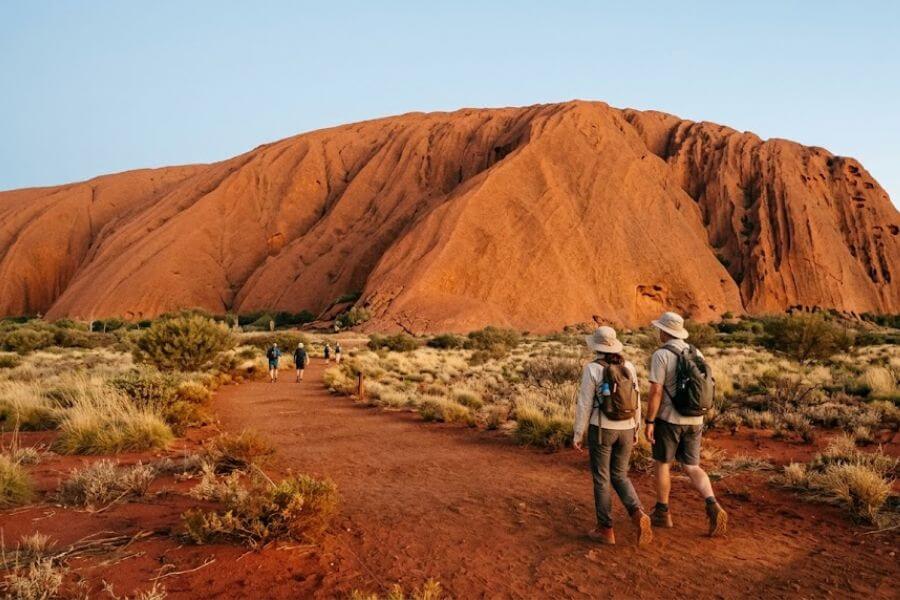
Imagine standing in a place where the earth beneath your feet is as bright red as a ripe tomato. The sky above is a deep, endless blue, and the air feels warm and clean. You are looking at Uluru, the massive heart of Australia. This giant sandstone rock rises out of the flat desert like a sleeping giant. Welcome to the Red Centre, a magical world of sand dunes, deep canyons, and hidden waterholes. This guide will show you how to explore this ancient land, meet the amazing creatures that live here, and discover why this desert is full of life and wonder.
What is Uluru and the Red Centre
The Red Centre is the nickname given to the desert area right in the middle of Australia. It gets its name from the brilliant red soil that covers everything for hundreds of kilometres. The most famous landmark here is Uluru, which used to be called Ayers Rock. It is one of the biggest single pieces of rock in the entire world. It stands over three hundred metres high and goes deep underground, just like an iceberg in the sea.
But the Red Centre is not just one big rock. It is a huge region filled with other amazing shapes. Nearby, you will find Kata Tjuta, a group of thirty-six massive rock domes that look like giant red heads peeking out of the sand. There is also Kings Canyon, a spectacular gorge with high sandstone walls that drop down into a hidden forest of green palms. This whole area is a place of wild beauty that looks like another planet.
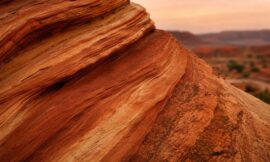
The red colour comes from iron in the sand and rock. Over millions of years, the iron has rusted in the air and sun, turning the landscape into a sea of orange, red, and terracotta. When you travel here, you are stepping into a landscape that has looked nearly the same for thousands of seasons.
The Traditional Owners and the Spirit of the Land
Long before aeroplanes and cars brought visitors to this desert, a group of Indigenous Australians called the Anangu lived here. They are the traditional owners of Uluru and the surrounding land. For the Anangu, Uluru is not just a tourist attraction or a pretty photo opportunity. It is a deeply sacred place full of spiritual meaning.
The Anangu have lived in the Red Centre for tens of thousands of years. They believe the landscape was created by ancestral spirits during a time called the Dreamtime or Tjukurpa. The shapes of the rocks, the cracks in the stones, and the caves around the base of Uluru are all markers of these ancient stories. Each hill and waterhole has a lesson about how to live, how to find food, and how to respect nature.
When you visit, you will notice that people no longer climb up Uluru. Out of respect for the Anangu people and their sacred laws, the climb was permanently closed. Instead, walking around the base allows you to see the rock up close, discover hidden caves, and view ancient rock paintings that tell stories of hunters, animal tracks, and campfires.
Getting to the Heart of the Outback
Travelling to the middle of a giant island continent takes some planning, but it is a big part of the adventure. You have a few choices depending on how much time you have and how much you like long road journeys.
Flying into the Desert
The quickest way to start your outback holiday is to catch a plane. You can fly directly into Ayers Rock Airport, which is also known as Connellan Airport. This airport is very close to the resort village where visitors stay. As your plane starts to land, you can look out of the window and see Uluru sitting proudly on the flat ground below.
Another option is to fly into Alice Springs, which is the main town in the Red Centre. Alice Springs is about four hundred and fifty kilometres away from Uluru. Flying here lets you see the historic town before you hire a car or jump on a tour bus to drive out to the giant rock.
The Great Outback Road Trip
If you love the open road, driving to the Red Centre is an experience you will never forget. Most people start their drive from Adelaide in the south or Darwin in the north, using the famous Stuart Highway. This long tarmac road cuts right through the centre of Australia from bottom to top.
Driving through the outback means seeing the landscape change slowly around you. You will pass tiny highway roadhouses, fields of low green bushes, and endless red sand. You must always carry extra fuel, plenty of drinking water, and snacks, because towns can be hours apart. It is also wise to avoid driving at night when big animals like kangaroos and camels like to wander onto the road.
The Best Time of Year to Visit
The desert is a land of extreme weather. It can be super hot in the middle of summer and surprisingly chilly during the winter nights. Choosing the right month for your trip will make your adventure much more comfortable.
Cool and Dry Winters
The best months to visit the Red Centre are between May and September. During this time, the Australian winter brings clear days with plenty of sunshine but cool air temperatures. It is perfect weather for walking around the rocks without getting too hot.
However, you need to pack some warm clothes for the evenings. As soon as the sun goes down, the desert loses its heat very fast. Temperatures can drop close to freezing point, so you will need a thick jacket, a woolly hat, and warm socks for your starlit campfire dinners.
Scorching Desert Summers
From October to April, the Red Centre becomes a giant oven. Temperatures during the day can easily pass forty degrees Celsius. The heat can be exhausting, and many of the long walking tracks close early in the morning for safety reasons.
Summer also brings millions of tiny bush flies. They love to buzz around your face, which can make walking a bit annoying. If you do visit in summer, you will need to drink litres of water every day, wear a wide hat with a fly net attached, and do all your exploring at the very first light of dawn.
Where to Stay in the Red Centre
Even though you are in the middle of a harsh desert, you do not have to sleep on the hard ground unless you want to. There are comfortable places to stay that cater to every type of traveller.
Yulara Holiday Resort
Yulara is a specially built resort village located just a short drive outside the national park boundary. It acts as the base camp for everyone visiting Uluru and Kata Tjuta. The clever thing about Yulara is that it has options for all budgets.
You can find luxury hotels with swimming pools, comfortable family apartments, budget cabins, and a massive campground where you can pitch a tent or park a campervan. The resort also has a town centre with a supermarket, souvenir shops, cafes, and an outdoor theatre where you can learn about Indigenous culture.
Alice Springs Options
If you spend time in Alice Springs, you will find traditional hotels, cosy bed and breakfasts, and caravan parks lined with shady trees. Staying in the town gives you a chance to experience real outback life, visit local art galleries, and stock up on supplies before heading out into the deeper desert.
Unmissable Adventures Around Uluru
Once you arrive at the national park, it is time to lace up your walking shoes and start exploring. There are so many ways to see the great rock up close.
The Base Walk
The absolute best way to understand the size of Uluru is to walk all the way around it. The Uluru Base Walk is a flat ten-kilometre loop track that takes about three to four hours to finish.
As you walk, you will realize that the rock is not just a smooth red brick. It is full of textures, deep valleys, strange caves, and steep ridges. You will pass peaceful areas like the Mutitjulu Waterhole, where water trickles down the rock face into a dark pool surrounded by green plants and bird life. Signs along the path explain the stories of the land, helping you see the rock through the eyes of the Anangu.
Sunrise and Sunset Magic
Uluru is famous for being a shape-shifting wonder when it comes to colour. Because the rock is made of special sandstone layers, it reflects the light of the sun in surprising ways.
- At Sunrise: The rock starts as a dark, spooky shadow in the grey dawn. As the sun peeks over the horizon, Uluru suddenly glows with a bright pink and purple light, before turning gold.
- At Sunset: This is the most popular time for photos. The rock turns a fiery, glowing orange that looks like it is burning from the inside, before fading into a deep burgundy and then black as the stars come out.
The national park has special viewing areas set up so everyone can get a great view of these daily light shows without harming the desert plants.
Exploring the Domes of Kata Tjuta
Just a short drive away from Uluru sits Kata Tjuta, which is also known as The Olgas. While Uluru is one giant block, Kata Tjuta is a collection of thirty-six massive, rounded red rocks clumped together. The name means “many heads” in the local Indigenous language.
The Valley of the Winds
This is one of the most exciting walking trails in the whole Red Centre. The full track is about seven kilometres long and takes you right into the middle of the giant rock domes. The path can be steep and rocky, but the views are incredible.
As you walk through the narrow valleys between the tall red walls, the wind whistles through the gaps. You will feel tiny compared to the enormous stone cliffs around you. There are beautiful lookout points where you can stop, catch your breath, and look out over the vast desert plains below.
Walpa Gorge Walk
If you want an easier stroll, the Walpa Gorge walk is a shorter path that follows a natural stream bed into the opening of one of the largest canyons in Kata Tjuta. It takes about an hour and is a fantastic place to see rare desert plants and maybe spot a small wallaby hopping along the rocky cliffs.
The Secrets of Kings Canyon
Located about three hours by road from Uluru, Watarrka National Park is home to the mighty Kings Canyon. This is a place of deep gorges, high rocky cliffs, and incredible sandstone formations that look like ancient lost cities.
The Famous Rim Walk
For those who love a good hike, the Kings Canyon Rim Walk is a must-do adventure. It begins with a steep climb up a section nicknamed “Heartbreak Hill.” Once you reach the top, the reward is a breathtaking view along the edge of the canyon wall, which drops straight down over one hundred metres.
As you follow the loop path, you will walk through the Lost City, an area of beehive-shaped stone domes that look like ancient ruins. You will also cross a wooden bridge down into the Garden of Eden, a hidden waterhole filled with cool water, green ferns, and ancient cycad palms that have survived here since the age of the dinosaurs.
The Kings Creek Walk
If you prefer to stay on flat ground, you can take a lovely walk along the sandy bottom of the canyon creek bed. This shady track looks up at the towering red rock walls above you and finishes at a viewing platform where you can sit and listen to the birds singing in the gum trees.
Amazing Animals of the Red Centre
People often think the desert is an empty place where nothing can live, but that is not true at all. The Red Centre is bursting with clever creatures that have found smart ways to survive in the hot, dry climate.
Kangaroos and Wallabies
The most iconic animals you will spot are the marsupials. The Red Kangaroo is the biggest kangaroo species in Australia, and you can often see them bouncing across the red plains or resting under the shade of a tree during the heat of the day. Up in the rocky hills of Kings Canyon and Kata Tjuta, look out for the Black-Footed Rock-Wallaby, a smaller cousin that can leap across steep cliffs with amazing balance.
Strange Reptiles
The desert is a paradise for lizards and snakes. The most famous resident is the Thorny Devil. This little lizard is covered in sharp, pointy spikes to scare off predators. It eats thousands of tiny ants every day and can collect water from the morning dew using the micro-grooves between its scales, which carry the moisture straight to its mouth.
You might also spot a Perentie, which is the largest monitor lizard in Australia. They can grow up to two metres long and are excellent hunters, sprinting across the sand on their long legs.
Birds of the Outback
Look up into the blue sky and you might see a Wedge-Tailed Eagle soaring on the desert wind currents. These huge birds of prey have a wing span of over two metres. Closer to the ground, flocks of bright pink and grey birds called Galahs fill the trees with noisy chatter, while tiny zebra finches gather around the hidden waterholes for a quick drink.
| Animal | Where to Look | Cool Feature |
| Red Kangaroo | Flat sand plains | Can travel huge distances without much water |
| Thorny Devil | Sandy tracks | Drinks water through its spiked skin |
| Rock-Wallaby | Steep cliff faces | Has grippy feet for climbing rocks |
| Wedge-Tailed Eagle | High in the sky | Can see tiny movements from far above |
Packing Essentials for Your Journey
Going into the outback means being prepared for anything. You cannot just run to a corner shop if you forget something important. Here is a handy checklist of things you must pack in your suitcase.
Protecting Yourself from the Sun
The desert sun is incredibly strong, even on cool winter days. You need to pack high-protection sunscreen and apply it every morning before you head out. A wide-brimmed hat is vital to keep the sun off your face, ears, and neck. Sunglasses will protect your eyes from the bright glare of the red sand.
Shoes and Clothing
You will be doing a lot of walking on rough, uneven ground, so a pair of worn-in hiking boots or sturdy trainers is essential. Do not wear brand new shoes, or you might get painful blisters.
Pack light, breathable cotton shirts and shorts for the daytime. For the freezing desert nights, bring warm trousers, a thick fleece jacket, a beanie hat, and gloves. It is all about dressing in layers so you can peel them off as the day warms up.
Water Bottles and Packs
Dehydration is a big danger in the outback. You should carry a backpack that holds at least two or three litres of water for every walk you do. Drink regularly, even if you do not feel super thirsty, because the dry air evaporates your sweat instantly.
Outback Safety Rules
The Red Centre is a beautiful place, but it can be dangerous if you do not follow a few simple safety rules. Respecting the desert keeps you safe and happy.
Stick to the Marked Paths
The walking tracks in the national parks are carefully marked for a reason. Wandering off the tracks can cause you to get lost in a landscape where every sand dune looks the same. It can also damage fragile desert plants and soil crusts that take years to grow back.
Listen to Your Body
If you feel dizzy, tired, or get a bad headache while walking, stop immediately. Find some shade, drink some water, and rest. Do not try to finish a hard walk if the weather is too hot or if you are feeling unwell. Most park trails have emergency radio stations where you can call for help if things go wrong.
Leave No Trace
The Red Centre is a clean, pristine wilderness. Always carry a small rubbish bag in your backpack so you can take all your food wrappers, fruit peels, and empty bottles back to the resort with you. Never leave any trash behind, and never touch or disturb the wildlife you encounter.
Fun Ways to Experience the Red Centre
Walking is great, but there are lots of other exciting ways to create memories in the outback.
Camel Rides Across the Dunes
Did you know that Australia has hundreds of thousands of wild camels roaming the desert? They were brought here by early explorers to help carry heavy loads. Today, you can visit a camel farm near Uluru and take a guided ride on a camel train across the red sand dunes. Watching the sun set over Uluru from the back of a tall camel is an unforgettable adventure.
Sleeping Under a Million Stars
Because there are no big cities for hundreds of kilometres, there is no bright light pollution in the sky above the Red Centre. This makes it one of the absolute best places on Earth for star gazing.
You can join special astronomy tours where expert guides use powerful telescopes to show you distant planets, swirling galaxies, and the famous Southern Cross constellation. Or you can simply lie back in a swag, a traditional Australian canvas sleeping bag, and fall asleep while staring up at a sky thick with sparkling stars.
Segway Tours and Bicycle Rides
If you want to move a bit faster around the base of Uluru, you can hire a bicycle from the cultural centre and pedal your way along the flat path that circles the rock. Another quirky option is to join a guided Segway tour, where you glide effortlessly along the dirt trails on a two-wheeled electric scooter.
The Historic Town of Alice Springs
No trip to the Red Centre is complete without spending a day or two exploring Alice Springs. Nestled between the beautiful MacDonnell Ranges, this famous town started as a tiny repeater station for the overland telegraph line that connected Australia to the rest of the world.
The Royal Flying Doctor Service
In the middle of the outback, the nearest big hospital can be a twelve-hour drive away. To help people who live on remote cattle stations, the Royal Flying Doctor Service uses small aeroplanes fitted out like flying emergency rooms. You can visit their tourist museum in Alice Springs to see historic planes, listen to real radio rescue calls, and learn how these brave pilots and doctors save lives every single day.
The School of the Air
Imagine having a school classroom that is over a million square kilometres big. Because outback children live too far away from any town, they cannot ride a bus to school. Instead, they use the internet and video cameras to take lessons from teachers based in Alice Springs. Visiting the School of the Air visitor centre lets you see how these remote kids learn, do homework, and make friends across the vast desert spaces.
The Desert Park
If you want to get a close look at rare desert animals that are hard to spot in the wild, the Alice Springs Desert Park is the perfect place. You can walk through giant aviaries filled with colourful birds, visit a special dark house to see nocturnal creatures that only come out at night, and watch a thrilling free-flying bird show where hawks and eagles zoom just inches above your head.
Discovering the MacDonnell Ranges
Stretching out like a long stone wall to the east and west of Alice Springs are the MacDonnell Ranges. These ancient mountains are broken up by beautiful waterholes and dramatic gaps that are fantastic for day trips.
West MacDonnell Wonders
A short drive west from the town centre takes you to a series of spectacular gorges.
- Simpsons Gap: A narrow pass in the rock where a small creek flows. It is a famous spot for seeing colony groups of cute little rock-wallabies hiding in the boulders.
- Standley Chasm: A dramatic, razor-thin cutting in the sandstone wall. If you visit exactly at midday, the sun shines straight down into the chasm, making the sheer rock faces glow with a brilliant red and gold light.
- Ellery Creek Big Hole: A massive, deep waterhole surrounded by tall gum trees. It is a favourite swimming spot for locals during the hot summer months, though the water can be surprisingly icy cold.
East MacDonnell Adventures
The eastern side of the ranges is less crowded but just as beautiful. You can visit Emily and Jessie Gaps to see ancient Indigenous rock art sites, or travel further out to Trephina Gorge for scenic bushwalks along sandy creek beds lined with ghost gum trees that have bright white bark.
Tastes of the Outback
Travelling to the Red Centre is also an opportunity to try some unique foods that you cannot easily find anywhere else in the world.
Bush Tucker Discovery
Bush tucker is the name given to native Australian foods that have been eaten by Indigenous people for thousands of years. You can go on guided walks where you learn to find wild bush tomatoes, search for sweet honey ants that store honey in their bodies, and taste witchetty grubs, a large white wood-eating larva that tastes like scrambled eggs when cooked over hot coals.
Outback Restaurant Dining
In the resort restaurants, you can try modern dishes made with native ingredients. You might see kangaroo steaks on the menu, which is a very lean red meat, or emu sausages seasoned with lemon myrtle leaves. You can also try wild barramundi fish caught in northern rivers, or enjoy a traditional damper bread, a simple round loaf baked directly in the ashes of a campfire.
Comparing the Wonders of the Red Centre
To help you plan your time, here is a quick look at how the three main natural wonders of the region compare to one another.
| Wonder | Main Feature | Walking Difficulty | Time Needed |
| Uluru | One massive stone block | Flat and easy | Full day |
| Kata Tjuta | Thirty-six round rock domes | Rocky and steep | Half day |
| Kings Canyon | Deep gorge and hidden forest | Challenging climb | Full day |
Frequently Asked Questions
Why is the sand in the Red Centre so red?
The red colour comes from the high amount of iron present in the desert soil and sandstone rocks. Over millions of years, this iron has been exposed to the air and the sun, causing it to rust. This chemical reaction turns the entire landscape into a vibrant shade of rusty orange and brick red.
Can I swim in the waterholes around Uluru?
No, swimming is not allowed in any of the waterholes around the base of Uluru, such as the Mutitjulu Waterhole. These pools are precious water sources for desert wildlife and are deeply sacred places for the Anangu traditional owners. If you want to swim, it is best to use the swimming pools at the Yulara resort or visit the natural swimming spots in the West MacDonnell Ranges near Alice Springs.
Do I need a special four-wheel-drive car to visit Uluru?
You do not need a large four-wheel-drive vehicle to visit the main sights like Uluru, Kata Tjuta, or Kings Canyon. The major highways and national park roads connecting these locations are fully sealed with smooth tarmac, meaning a standard family sedan or campervan can drive them easily. You only need a four-wheel-drive if you plan to explore remote dirt tracks like the Mereenie Loop road.
Is it true that it snows in the Australian desert?
It does not snow in the Red Centre because the air is far too dry, but it can get incredibly cold during the winter nights. In June and July, the temperature after sunset can drop below zero degrees Celsius, causing frost to form on the ground and on car windscreens by early morning.
How far is Uluru from the beach?
Uluru is located almost exactly in the middle of Australia, making it very far from the ocean. The nearest coastline is more than one thousand kilometres away to the south. Because it is so far inland, the region experiences a true desert climate with very low rainfall and big shifts in temperature between day and night.
What should I do if I see a snake on a walking track?
If you come across a snake while hiking, the best thing to do is stop, stand still, and give the snake plenty of space. Most snakes are shy and will happily slither away into the bushes if they are left alone. Never try to touch, scare, or move a snake, and always keep your eyes on the path ahead of you while walking.
Can I take rocks or sand home from Uluru as a souvenir?
No, you should never remove any rocks, pebbles, or sand from the national park. Not only is it illegal and harmful to the environment, but it is also disrespectful to the Anangu people. There is even a famous local legend about the “sorry rocks,” where tourists who took stones home mailed them back to the park because they believed the rocks brought them bad luck. If you want a souvenir, visit the cultural centre to buy authentic art created by local Indigenous artists.