Key Takeaways
- Spending time in the Australian great outdoors does not have to cost fortune when you plan your route around budget-friendly camping grounds and regional rest areas.
- Self-sufficiency is the single most important skill for exploring remote locations because many cost-free sites do not provide electricity, running water, or trash management.
- Caravan parks offer excellent family-focused amenities including swimming pools, communal kitchens, and hot showers that provide comfort after long stretches on the road.
- Every Australian state operates under different local laws regarding roadside stops, which means checking community guidelines ahead of time prevents unwanted fines.
- Protecting the natural environment through proper waste disposal and respectful campfire habits ensures these beautiful spaces stay open for future generations.
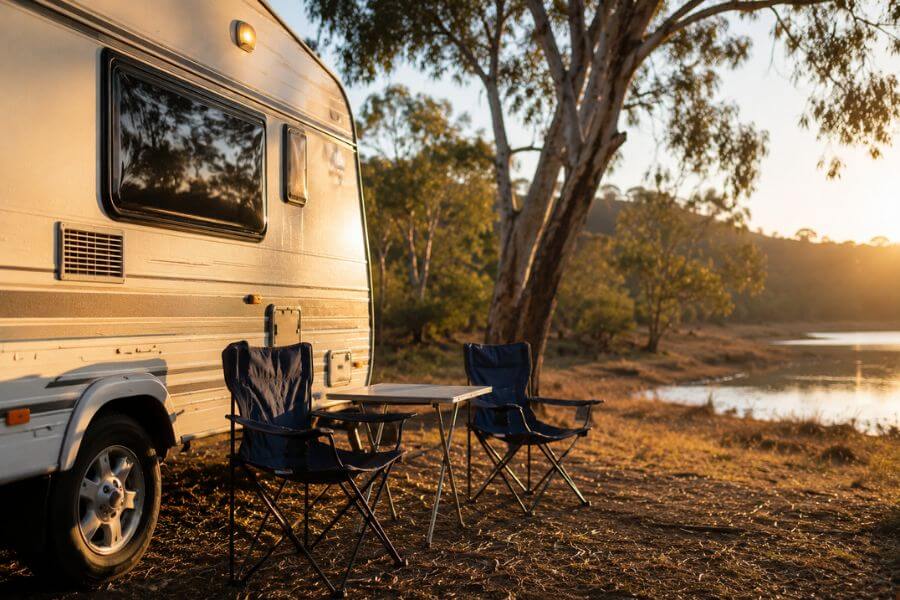
Pack your bags and grab your maps because the ultimate Australian road trip is calling your name. From the red sands of the deep outback to the crashing blue waves of the coast, this massive continent offers the ultimate playground for families who love adventure. Driving across this beautiful country in a caravan or pitching a tent under a blanket of stars is the best way to make memories that last a lifetime. This comprehensive guide will show you how to navigate the world of cost-free camping grounds and fully equipped caravan parks so you can explore Australia without breaking your piggy bank.
Understanding Your Camping Choices in Australia
When you travel across Australia with a tent, a camper trailer, or a large caravan, you will quickly realize that you have options for where to park your wheels each night. Knowing the differences between these spots helps you choose the perfect place for your family.
Fully Serviced Caravan Parks
Caravan parks are commercial businesses designed to give travelers maximum comfort. These places are perfect when you want a warm shower, a place to plug in your electronics, or a safe environment where children can meet new friends.
Most caravan parks feature concrete or grassy slabs where you can park your vehicle. They offer powered sites, which connect directly to your caravan to run your refrigerator, lights, and air conditioner. They also offer unpowered sites for traditional tent campers.
Cost-Free Municipal Campsites
Many small regional towns across Australia love travelers. To encourage people to visit their local shops, bakeries, and museums, local councils set up special areas where you can park your caravan or pitch your tent without paying a single dollar.
These sites are usually located near sports grounds, showgrounds, or town parks. While they do not have water slides or swimming pools like commercial parks, they frequently provide clean public toilets, picnic tables, and rubbish bins.
National Parks and State Forests
Australia is famous for its gorgeous national parks and vast state forests. Government environmental agencies manage these spaces to protect native plants and wild animals. Camping here places you right in the heart of nature.
While some national parks charge a tiny fee to help maintain the walking tracks, many locations are completely free to enter and sleep in. You will wake up to the sound of laughing kookaburras and might even see wild kangaroos hopping past your tent window.
The Art of Cost-Free Camping
Sleeping in wild places without a price tag is an incredible experience, but it requires a bit of preparation. You cannot just pull up anywhere and unpack your chairs. Master the basic rules to ensure your trip runs smoothly.
The Power of Self-Sufficiency
The secret to a successful cost-free camping trip is being entirely self-contained. This term means your vehicle carries everything you need to survive comfortably without outside help, and you can leave the area without leaving a trace.
| Required Equipment | Purpose in Your Camp | Maintenance Routine |
| Solar Panels | Generating electricity from sunlight | Clean dust off the glass panels daily |
| Freshwater Tanks | Storing clean drinking and cooking water | Sanitize and refill at major town centers |
| Portable Toilet | Safely collecting human waste | Empty only at designated public dump points |
| Heavy-Duty Trash Bags | Keeping all garbage contained | Pack out everything you pack into the camp |
Understanding the Off-Grid Power System
When you do not have a power pole to plug your caravan into, you rely on battery power. Modern caravans use deep-cycle batteries that store electricity to run your lights, water pump, and mobile devices.
Solar panels mounted on the roof of your caravan catch the hot Australian sunshine and turn it into electrical energy. If you plan to camp away from towns for multiple days, monitoring your power usage ensures you do not end up in the dark.
Top Cost-Free Camping Locations by State
Every state in Australia has its own unique personality, landscapes, and hidden camping treasures. Let us take a tour around the nation to look at some of the finest spots where you can set up camp for zero dollars.
New South Wales Splendors
New South Wales offers a mix of dramatic mountain ranges, lush green valleys, and spectacular rivers. It is an amazing state for families who love water sports and hiking.
- Barwon River Free Camp (Brewarrina): Located right on the grassy banks of the beautiful Barwon River, this quiet spot offers plenty of shade under giant eucalyptus trees. It features public toilets, barbecues, and outdoor exercise equipment where children can burn off energy after a long drive.
- Bendeela Recreation Area (Kangaroo Valley): Nestled in a lush green valley surrounded by steep cliffs, this location is famous for its resident wombats. It is an unpowered grassy field with toilets and drinking water, making it a favorite for weekend getaways.
Queensland Tropical Escapes
Queensland is known as the Sunshine State for a good reason. It offers warm weather all year, beautiful rainforests, and incredible coastal fishing spots.
- Babinda Rotary Park (Cairns Region): This tropical paradise allows you to stay up to three nights next to a crystal-clear mountain stream. The site has clean toilets, hot showers that operate with coins, and covered picnic tables to protect you from sudden tropical rain showers.
- Julia Creek Dirt Camp (Outback Queensland): If you want to experience the true Australian outback, this site sits next to a peaceful creek in a remote area. The local town offers free cruiser bicycles for visitors, allowing you to ride into town to check out the local attractions.
Victoria Hidden Gems
Victoria might be a smaller state, but it packs a massive punch when it comes to beautiful forests and cool mountain air.
- Beauchamp Falls Campground (The Otways): Located inside a magnificent rainforest with massive fern trees, this campsite sits at the start of a walking track leading to a spectacular waterfall. It provides basic drop toilets and fire pits for roasting marshmallows on chilly nights.
- Plantation Campground (The Grampians): This massive flat campground is surrounded by towering sandstone mountains. Hundreds of wild kangaroos feed on the grass here every morning and afternoon, creating an unforgettable wildlife experience for children.
South Australia and Western Australia Wonders
The western and southern parts of the country are vast, open, and perfect for big highway adventures.
- Mayfield Bay Camping Area (Tasmania): While technically an island state, Tasmania offers coastal camps like Mayfield Bay where you sleep right on the sand looking across the water toward beautiful national parks.
- Flinders Ranges National Park Stops (South Australia): Many creek beds throughout this ancient mountain range offer cost-free parking where you can stargaze under some of the clearest night skies in the southern hemisphere.
Essential Gear for the Australian Road Trip
Going into remote areas means you cannot just run to the supermarket if you forget something important. Your vehicle needs to be packed with tools and supplies that keep your family safe and comfortable.
Navigation and Communication Tools
The Australian outback is massive, and mobile phone service disappears quickly once you leave major highways. You cannot rely on online maps to find your way around the wilderness.
High-quality paper maps and dedicated satellite navigation systems are crucial items for your dashboard. Many families also carry a satellite communicator or an Emergency Position Indicating Radio Beacon. This small device sends a distress signal to rescue helicopters if you experience a major emergency in an area without phone reception.
First Aid and Safety Supplies
When you are camping hours away from the nearest hospital, your first aid kit needs to be fully stocked and ready for action.
Your kit should contain heavy bandages for snake bites, antiseptic wipes for scratches, tweezers for removing ticks, and plenty of soothing cream for sunburn or insect bites. It is also wise to carry a few space blankets, a loud whistle, and a bright flashlight to use if someone gets lost on a walking track.
Managing Your Water and Waste Responsibly
Water is the most precious resource in the dry Australian interior. Managing your water supply and dealing with your waste properly separates experienced campers from beginners.
Water Conservation Strategies
When your caravan water tanks are empty, your camping trip is officially over. Learning how to stretch a tank of water across a full week is an essential skill.
- Use public camp showers when available instead of tapping into your caravan water supply.
- Wash dishes in a small tub using minimal biodegradable soap, then use that leftover gray water to extinguish your campfire.
- Wipe greasy plates clean with a paper towel before washing them to save water and keep your drain pipes clean.
- Carry separate heavy plastic jugs of drinking water so your main tank water is reserved strictly for washing and cooking.
The Rules of the Dump Point
You cannot just empty your portable toilet into the bushes or down a standard public toilet. Caravan toilets use special chemicals to break down waste, and these liquids must be disposed of at an official waste station called a dump point.
Australia has thousands of public dump points located in towns, rest areas, and caravan parks. These stations feature a locking lid, a concrete surround, and a hose to rinse your equipment. Always wear protective gloves during this chore and ensure the area is left spotlessly clean for the next traveler.
Selecting the Right Caravan Park for Your Family
While cost-free camping is a blast, spending a few nights at a premium caravan park provides a welcome break. It allows you to wash your clothes in a real laundry machine and lets the kids enjoy fun activities.
Evaluating Holiday Park Amenities
Not all caravan parks are built the same way. Some are simple gravel lots next to a highway, while others are massive holiday resorts packed with entertainment options.
Caravan Park Comparison
| Park Classification | Typical Target Guest | Standard Inclusions | Best Feature for Kids |
| Highway Rest Parks | Long-distance truck drivers and overnight travelers | Basic hot showers, laundry facilities, powered sites | Quiet grassy zones for quick ball games |
| Regional Destination Parks | Families enjoying a week-long school vacation | Camp kitchens, playgrounds, concrete caravan pads | Jump pads and swimming pools |
| Luxury Coastal Resorts | Tourists seeking a premium holiday experience | Water parks, pedal kart rentals, organised kids clubs | Massive waterslides and indoor game rooms |
Reading Reviews and Booking Ahead
During school vacation periods, popular caravan parks along the Australian coast fill up months in advance. Booking your site early ensures you do not get stuck without a safe place to sleep.
Using community travel apps allows you to read recent reviews from other families. These reviews tell you if the amenities are clean, if the internet connection is strong, and if the park managers are friendly toward families with young children.
Campfire Safety and Outdoor Cooking
Nothing beats the feeling of sitting around a cracking campfire while cooking dinner under the stars. However, the Australian climate can be incredibly dry, making fire safety your top priority.
Understanding Fire Restrictions
Australia experiences dangerous bushfires during the hot summer months. Government fire agencies use a rating system to tell campers when it is safe to light a fire.
A Total Fire Ban day means you cannot light any campfire, charcoal barbecue, or wood-fueled stove outdoors. During these times, you must use a gas stove inside your caravan to cook meals. Ignoring these rules is highly dangerous and carries severe financial penalties from local police.
Fire Pit Etiquette
When campfires are permitted, always use an established metal fire ring or dig a shallow pit in clear dirt away from overhanging trees and dry grass.
Never leave a campfire unattended for even a single minute. A sudden gust of wind can blow hot coals into the dry bush and spark a dangerous fire. When it is time to go to bed or leave the campsite, pour multiple buckets of water over the coals until the smoke stops completely and the ashes are cold to the touch.
Respecting Wildlife and Natural Environments
One of the greatest joys of exploring Australia is getting close to its unique wildlife. From colorful parrots to sleepy koalas, the natural world is all around your campsite.
The Golden Rule of Wildlife Interaction
Never feed wild animals under any circumstances. While it might seem fun to offer a piece of bread to a friendly cockatoo or a bit of fruit to a wallaby, human food harms their sensitive digestive systems.
Feeding wild animals also teaches them to become aggressive toward humans. A large kangaroo or an energetic goanna can cause serious injuries to young children if they smell food and try to steal it from a picnic table. Watch animals from a safe distance using binoculars or a camera lens instead.
Keeping a Clean Campsite
Australian crows, magpies, and possums are notorious camp thieves. If you leave bags of trash or food containers sitting on your outdoor tables, these clever creatures will tear them open and scatter garbage across the landscape.
Store all food securely inside your hard-sided vehicle or a heavy plastic box locked in your tow vehicle. Hang your trash bags high out of reach or lock them away at night to ensure your camp stays tidy and wild animals stay safe.
Frequently Asked Questions
Can I legally pull over and sleep anywhere I want along Australian roads?
No, you cannot sleep anywhere you please. Australian local councils have strict laws against illegal parking and sleeping in vehicles on public streets or coastal lookouts. You must use designated rest areas, cost-free camping grounds, or official caravan parks to avoid receiving expensive fines from rangers.
Do I need a four-wheel-drive vehicle to visit most cost-free campsites?
Many of the most popular cost-free camping spots located near towns or inside major state forests are accessible using standard two-wheel-drive cars and standard caravans. However, remote wilderness camps, sandy coastal locations, and deep outback tracks require a high-clearance four-wheel-drive vehicle to safely navigate rough roads.
Where can I get fresh drinking water when I am camping away from caravan parks?
You can find clean drinking water at major public parks, town visitor information centers, regional fuel stations, and designated public dump points. It is always wise to ask locals at the visitor center where to find a high-flow drinking water tap before you head out into remote camping territories.
How do we stay clean while camping at sites that do not have showers?
When staying at basic campgrounds without amenities, you can maintain hygiene by using sponge baths with water heated on your camp stove, utilizing biodegradable wet wipes, or purchasing a portable solar shower bag. A solar shower bag hangs from a tree branch and uses sunlight to warm the water for a quick outdoor rinse.
Are dogs and other family pets allowed at all Australian camping grounds?
Pets are strictly banned inside all Australian national parks to protect vulnerable native wildlife from harm. However, many state forests, municipal cost-free camps, and commercial caravan parks welcome dogs with open arms, provided your pet stays on a leash and you clean up after them responsibly.
What should my family do if we encounter a snake near our tent?
If you see a snake while camping, stand completely still and allow the snake to move away on its own. Australian snakes will not seek out humans to attack, but they will defend themselves if stepped on or cornered. Teach children to wear sturdy shoes at all times and use a bright flashlight when walking around the camp after dark.