Key Takeaways
- Leaving a Better Footprint: Regenerative travel means actively improving a place, not just reducing your damage or keeping things the same.
- Supporting the Locals: True regenerative travel focuses on putting your money directly into the hands of local neighborhoods, native guides, and small family businesses.
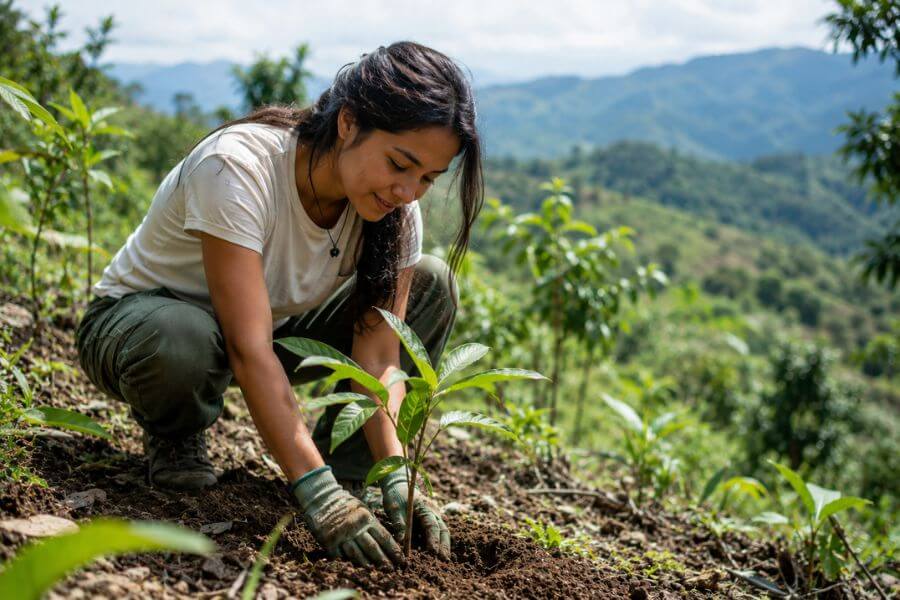
- Healing the Land: Travelers can help fix nature by picking projects that plant trees, clean up beaches, or protect wild animals.
- Shifting Your Mindset: The biggest change starts before you pack, moving from a consumer who takes experiences to a guest who shares gifts.
Imagine visiting a beautiful beach and leaving it with cleaner sand, happier locals, and more wild trees than when you arrived. This is the heart of regenerative travel. It goes way beyond just tracking your trash or trying to do no harm. It is a bold new way to see the world where your presence actually heals the land and lifts up the people who live there.
What is Regenerative Travel?
To truly understand this idea, we have to look at how we used to think about green travel. For a long time, people talked about sustainable travel. Sustainability is a good starting point, but it mostly focuses on keeping things the same. It aims for a net-zero impact, which means you do not make things worse, but you also do not make them better.
Regenerative travel asks a much bigger question. If a destination is already hurting from too many tourists, poor management, or environmental damage, why would we want to keep it exactly the same? This new path aims for a positive impact. It treats the travel spot like a living system that needs care, love, and active help to thrive.
The Travel Spectrum
To see how these concepts compare, think of travel as a line stretching from damaging habits to healing actions.
| Type of Travel | Core Goal | Common Action | Result on the Destination |
| Traditional | Personal fun | Booking big chain hotels and generic tours | Can cause crowded spots and heavy pollution |
| Sustainable | Do no harm | Reusing hotel towels and skipping plastic straws | Keeps the current state from getting worse |
| Regenerative | Active healing | Joining a community garden or rebuilding coral reefs | Leaves the place better and healthier |
Why the Shift Matters Right Now
Our world is changing fast, and many famous vacation spots are feeling the strain. When thousands of people crowd into a small mountain village or a tiny island, resources run low. Water disappears, trash piles up, and local families sometimes get pushed out by rising prices.
By choosing a regenerative mindset, you stop being a simple consumer. You become an active partner in the future of that community. You help protect their ancient stories, restore their forests, and ensure that their children can enjoy a beautiful home for years to come.
The Living System View
When you practice this style of journey, you view your destination as a living body. Every part is connected. The soil, the water, the wildlife, the history, and the people make up one whole unit. If you hurt the water, you hurt the fishermen. If you support the local artist, you help keep the town history alive. Your job as a traveler is to feed this living system with positive choices at every turn.
Planning Your Journey with a Healing Mindset
A great regenerative trip starts long before you ever step onto an airplane, train, or bus. The research phase is where you set your intentions and make the big decisions that dictate how your money and energy will flow into the destination.
Picking the Right Destination
Some places are already working hard to heal their lands. Looking for these spots makes your job much smoother because the local infrastructure is set up to support good choices.
- Look for secondary cities: Instead of visiting the capital or the main tourist hub, look for smaller towns nearby that actually want and need visitors.
- Research community-owned lands: Many indigenous groups run their own conservation parks. Visiting these spaces ensures your entry fees go straight into local hands.
- Check for regional green plans: Choose countries or states that have public goals for planting forests, cleaning waters, and banning single-use plastics.
Researching Accommodations
Where you sleep matters a lot. Big international resorts often send their profits back to corporate headquarters in another country. This is called tourism leakage, and it drains wealth away from the people who actually take care of the land.
Instead, look for accommodations that are deeply rooted in the community. Small bed-and-breakfasts, family-run eco-lodges, and community-hosted home stays are excellent choices.
When reviewing a place to stay, look for specific clues on their website. Do they hire local managers, or do they bring in outsiders? Do they buy their food from the farm down the road? Do they use solar energy, harvest rainwater, or compost their kitchen waste? A truly regenerative lodge will be proud to share these details with you.
Asking Tough Questions
Do not be afraid to email a tour operator or hotel before you book. You can ask friendly questions to understand their true impact.
- “How does your business support the neighborhood families around you?”
- “Can you tell me about any local nature projects you fund directly?”
- “Where does the food in your dining room come from?”
If a company struggles to answer these questions, or if they give vague answers about loving the planet, they might be greenwashing. This is when a business pretends to be eco-friendly just to get your money, without doing any real work to help the earth.
The Packing Strategy
What you bring with you determines what you leave behind. Packing light is a great first step because heavier bags mean planes and cars use more fuel, creating more carbon pollution.
Beyond weight, focus on packing items that do not create permanent trash. Bring a sturdy water bottle with a built-in filter so you never have to buy plastic bottles, even in places with unsafe tap water. Pack reusable cloth bags for shopping, stainless-steel utensils for street food, and solid bars of soap and shampoo to eliminate plastic bottles.
Choose sunscreen and bug spray that use natural ingredients. Standard sunscreens contain harsh chemicals that wash off your skin and kill coral reefs, while natural alternatives keep both you and the ocean safe.
Supporting Local Economies and Communities
True regeneration is not just about trees and animals. It is equally about people. A destination cannot thrive if its human inhabitants are struggling to make a living or losing their cultural identity.
Keeping Money in the Neighborhood
The simplest way to help a town is to make sure your dollars stay in local pockets. When you buy from a street vendor, a neighborhood market, or a small town boutique, that money circles through the community. The vendor uses it to buy goods from a local farmer, pay a neighbor for repairs, or send their kids to the town school.
Finding Authentic Souvenirs
Skip the generic souvenir shops near major tourist spots. Those plastic keychains and mass-produced shirts are almost always made in factory settings far away. They do not represent the place you are visiting, and they do not support local talent.
Seek out artisan cooperatives, weekend craft markets, and workshops where you can buy directly from the person who made the item. Whether it is a hand-woven blanket, a piece of pottery, or a jar of local honey, these items carry real stories and provide meaningful income to creative workers.
Embracing Cultural Exchange
Regenerative travel is a two-way street of respect and learning. Instead of viewing local people as background characters in your vacation photos, view them as teachers and hosts.
- Learn the basic language: Knowing how to say please, thank you, good morning, and excuse me shows you respect their home.
- Dress appropriately: Research local clothing customs before you go, especially when visiting sacred sites, rural villages, or religious buildings.
- Ask before taking photos: Always strike up a conversation and ask permission before snapping a portrait of a local person. It respects their dignity and privacy.
Choosing Human-Powered Activities
Whenever possible, pick tours and activities that rely on human skill and knowledge rather than heavy machinery. Hire a local walking guide instead of taking a giant tour bus. Rent a bicycle or a kayak instead of a motorized scooter or jet ski. These choices reduce noise and air pollution while creating excellent jobs for guides who know the history and pathways of their home by heart.
Restoring Nature and Protecting Wildlife
Human activity has put a lot of pressure on wild spaces. As a regenerative traveler, you can use your outdoor adventures as opportunities to fund and participate in the healing of the natural world.
The Power of Conscious Excursions
When you want to see beautiful forests, mountains, or reefs, choose tours that build restoration directly into the itinerary. Some boat companies take guests out to plant baby coral fragments onto damaged reefs, helping to rebuild ocean ecosystems. Other hiking groups give every guest a bag of native seeds to scatter along the trail, helping wild plants reclaim eroded paths.
Wild Animal Encounters
Seeing exotic animals is a dream for many travelers, but many animal attractions are harmful. True regenerative wildlife travel protects animals in their natural habitats and never forces them to perform or interact unnaturally with humans.
Harmful Animal Tourism              Regenerative Wildlife Tourism
----------------------              -----------------------------
* Riding elephants                  * Watching wild herds from afar
* Snapping selfies with tiger cubs  * Supporting accredited sanctuaries
* Swimming with captive dolphins     * Funding anti-poaching patrols
* Feeding wild monkeys treats        * Keeping a safe, respectful distance
Leaving No Trace and Picking Up More
You have likely heard the old rule to take nothing but pictures and leave nothing but footprints. Regenerative travel upgrades this rule: leave the space cleaner than you found it.
Make it a daily habit to carry a small bag with you on walks, hikes, or beach visits. Pick up plastic wrappers, bottle caps, or discarded fishing lines that you see along the way. This simple act keeps plastic out of the bellies of sea turtles and wild birds, and it shows respect to the locals who share that beach with you.
Conserving Rare Resources
When you stay in a hotel, it is easy to forget that water and electricity are limited. Many beautiful islands and desert towns suffer from severe droughts. Long showers and daily sheet washings drain the local water tables, leaving less water for neighborhood farms.
Be mindful of your consumption. Keep your showers brief, turn off the air conditioner when you step out of your room, and let the hotel staff know you do not need your room cleaned every single day. These small choices save immense amounts of energy and water for the local community.
Food and Dining Choices
The way we eat while traveling has a giant impact on the environment and local farmers. Food can be a wonderful tool for healing if we make deliberate choices about what we put on our plates.
The Farm-to-Table Movement
When you dine at restaurants that practice farm-to-tail or farm-to-table sourcing, you are helping to cut down on food miles. Food miles are the distances that ingredients must travel to get to your plate. Shipping a steak or a piece of fruit across an ocean uses massive amounts of airplane fuel.
Eating local ingredients means your food is fresher, tastes better, and directly funds the nearby farming families. It also introduces you to unique flavors and traditional crops that you might never find back home.
Reducing Food Waste
Food waste is a major source of greenhouse gases when it rots in landfills. When traveling, it can be easy to over-order because everything looks exciting and new. Try to order mindfully. If you have leftovers, ask for a compostable container and share them with someone in need, or ensure your lodging has a food-waste composting plan.
Traditional Food Preservation
Many global food traditions are disappearing because fast-food chains are spreading worldwide. By seeking out traditional kitchens, heritage bakeries, and indigenous food festivals, you help keep these food arts alive. Your money tells the community that their unique culinary history is valuable and worth preserving for the next generation.
Transportation and Slowing Down
How we move across the planet is one of the biggest challenges in modern travel. While it is tough to eliminate all travel pollution, we can make strategic choices that dramatically lower our impact and help us connect deeper with the places we visit.
The Beauty of Slow Travel
Many tourists try to squeeze five countries into a ten-day vacation. This fast-paced style results in excessive flights, train rides, and highway commutes, which creates a huge amount of carbon pollution. It also leaves the traveler exhausted and gives them no time to truly understand any single place.
Slow travel is the antidote to this rush. It means picking one destination and staying there for your entire vacation. By spending two weeks in one small region, you get to know the local grocer, discover hidden walking paths, and form real bonds with the community. You spend less money on transport and more time enjoying yourself, all while cutting your travel emissions down significantly.
Choosing Greener Ways to Move
When you need to get around your destination, look at public transportation options first. Trains, subways, and public buses are far better for the environment than renting a private car or calling a ride-share vehicle for every short trip.
For the ultimate regenerative experience, rely on your own feet or a bicycle. Walking through a historic neighborhood allows you to notice the beautiful architecture, smell the cooking from local kitchens, and stop at small shops that you would completely miss if you were speeding by in a car.
Addressing Aviation Footprints
For many long-distance trips, flying is the only real option. When you must fly, you can still take steps to minimize your impact.
- Fly direct: Takeoffs and landings use the most fuel. Direct flights use less total energy than trips with multiple connections.
- Fly economy class: Premium seats take up much more physical space on the plane, meaning fewer people share the fuel burden of the flight.
- Support sustainable fuel programs: Some airlines allow you to pay a small extra fee that goes directly toward buying cleaner aviation fuel for future flights.
Mindful Volunteering and Giving Back
Many travelers want to volunteer during their trips. While the desire to help is wonderful, it is critical to ensure that your volunteer work is actually helpful and does not accidentally cause long-term problems for the community.
The Pitfalls of Short-Term Voluntourism
Short-term volunteer projects can sometimes disrupt local economies. For example, if a group of untrained tourists builds a school house over a weekend, they might be taking away valuable paid construction jobs from local workers who need to feed their families.
Similarly, volunteering for just a few days at a local orphanage can be tough on children who form quick attachments to visitors, only to watch them leave a few days later. True regeneration requires long-term commitment and professional skill.
Finding Ethical Projects
If you want to volunteer, look for projects that are run entirely by the community itself, where your role is to assist local leaders rather than take charge. Good projects usually require specific skills, involve deep training, and ask for a commitment of several weeks or months.
Alternative Ways to Give Back
If you only have a week or two for your vacation, volunteering might not be the best choice. Instead, you can give back through skilled donations or financial support. Find a trusted local charity, school, or wildlife hospital and ask them directly what supplies they need. They might need specific medical items, books in a certain language, or funding to fix a leaky roof. Sending money or targeted goods allows the locals to use their own expertise to solve their challenges.
Regenerative Travel in Action
To understand how these concepts work out in the real world, let us look at two different scenarios. These examples contrast common travel habits with a thoughtful, regenerative approach.
Scenario A: The Beach Vacation
Think about a standard trip to a tropical island compared to a healing, regenerative approach to that same beautiful beach.
- The Traditional Approach: A traveler books a stay at a massive foreign-owned resort. They eat at the resort buffet, which imports all its food from overseas. They go on a jet-ski tour that pollutes the water with fuel, buy a plastic souvenir from a commercial shop, and leave their plastic water bottles on the sand.
- The Regenerative Approach: The traveler stays at a small bungalow owned by a local family. They eat fresh fish caught that morning by a village fisherman and cooked at a neighborhood shack. They spend an afternoon volunteering with a local group to plant mangrove trees along the coast to protect against storms. They buy a hand-carved wooden bowl from a local artist and use a refillable water bottle for their entire stay.
Scenario B: The Mountain Trek
Consider how a hiking trip in a historic mountain range can be transformed by changing your goals.
- The Traditional Approach: A hiker flies in, hires a cut-rate guiding agency that underpays its porters, dumps their trash along the high trails, and takes photos of local villagers without asking. They leave the mountain dirty and drain the limited resources of the base village.
- The Regenerative Approach: The hiker picks a guiding agency certified for fair porter treatment. They participate in a carry-it-back program, bringing their own trash and two pieces of litter left by others down the mountain. They stay at a village lodge, pay a fair price for homemade stews, and buy woven goods directly from the mountain families.
How to Be an Ambassador When You Return Home
Your regenerative journey does not end when your plane lands back at your home airport. The final phase of this travel style is about taking the lessons you learned and sharing them with your friends, family, and community.
Telling the Right Stories
When people ask about your trip, do not just show them the prettiest pictures of sunsets and landscapes. Tell them about the wonderful people you met, the delicious local food you tried, and the inspiring conservation projects you witnessed. By sharing these stories, you inspire others to think about their own travel footprints.
Writing Impactful Reviews
Online reviews are incredibly powerful. Use your voice on travel websites to highlight the businesses that are doing things right. Praise the hotel that did not use single-use plastics, recommend the local guide who taught you about native plants, and give a great review to the farm-to-table diner. Your reviews help future travelers make better choices and drive more business to owners who care about the earth.
Staying Connected to the Destination
If you fell in love with a place, keep supporting it from afar. You can follow their local conservation groups on social media, donate to their community projects during holidays, or buy their local products online if they offer international shipping. True travel friendships can last a lifetime, creating a permanent bridge of support across the globe.
Frequently Asked Questions
What is the difference between sustainable travel and regenerative travel?
Sustainable travel focuses on lowering your negative impact so that you leave a place exactly the same as you found it. Regenerative travel goes a step further by actively working to improve the destination. It focuses on healing the environment, boosting the local economy, and leaving the community in a better, healthier state than before you arrived.
Does regenerative travel cost a lot more money?
Not necessarily. While some high-end eco-lodges can be expensive, many regenerative choices actually save you money. Staying in family-run guesthouses, eating street food made with local ingredients, using public buses or trains, and walking instead of taking private taxis are all affordable choices that keep your money in the local economy and reduce pollution.
How can I tell if a tour company is truly regenerative or just greenwashing?
Look for specific, concrete details on their website rather than vague phrases like green, eco, or planet-loving. A trustworthy company will clearly state how they pay their workers, where they buy their supplies, what percentage of their profits goes to local conservation, and what specific steps they take to manage waste and save water.
Can I practice regenerative travel if I only have a short weekend vacation?
Yes, you absolutely can. Regenerative travel is about your mindset and choices, not the length of your trip. You can practice it on a short trip by choosing a destination close to home to minimize travel pollution, staying at a locally owned bed-and-breakfast, eating at independent neighborhood diners, and spending an afternoon cleaning up a local trail or beach.
Is regenerative travel safe for solo travelers or families with young kids?
It is very safe and incredibly rewarding for both solo travelers and families. Family-run guesthouses and community-based tours are often warmer, more welcoming, and more protective of guests than large, impersonal resorts. For children, participating in beach cleanups, learning traditional crafts from local artisans, and trying new farm-fresh foods are wonderful ways to learn about global citizenship and nature conservation.