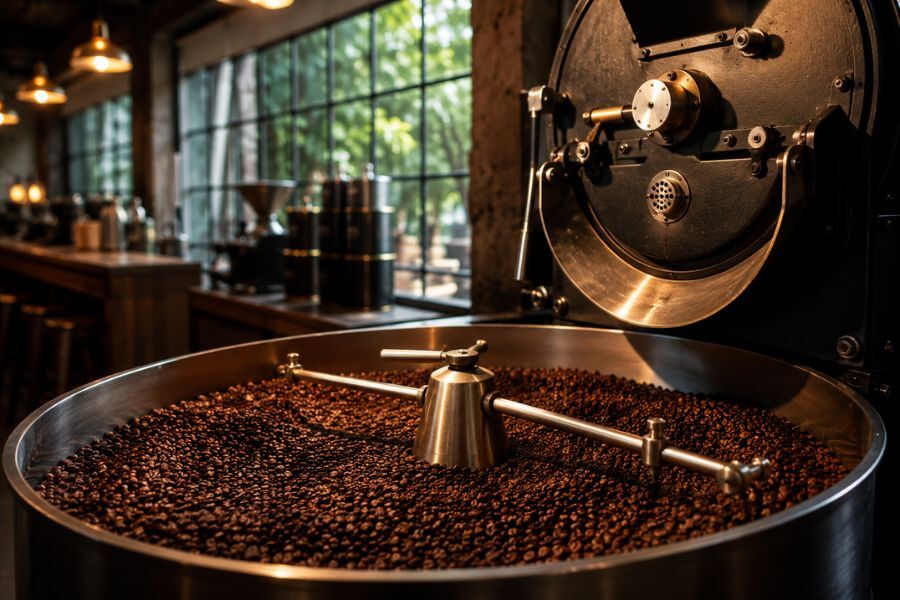
The global travel scene is shifting. You no longer have to plan vacations just around sandy beaches or tall museum buildings. A new movement is taking over the planet, and it is fueled by a love for the ultimate morning drink. Coffee tourism is the hot new way to see the world. Travelers are packing their bags to visit cities that treat coffee beans like rare pieces of art. From the high-tech roasteries of Tokyo to the sunny coffee farms of Colombia, people are crossing oceans just to find the perfect cup. If you love big flavors, cool culture, and meeting creative people, this journey is made for you.
Key Takeaway
Coffee tourism is a massive global trend where people travel specifically to explore unique drink styles, high-tech roasting spaces, and sustainable farming. By visiting top global hubs, you can discover incredible fruit-like flavors, learn about eco-friendly farming practices, and experience how different cultures create a sense of neighborhood comfort around a simple warm mug.
The Rise of the Coffee Traveler
Something amazing happens when you look at a coffee menu today. You do not just see the words dark or light. Instead, you see names of specific mountains, tiny family farms, and wild-sounding fruits. Travelers have noticed this shift, and they want to see where the magic happens. A coffee tourist is someone who skips the usual crowded landmarks. Instead, they look up the best neighborhood roasteries before they even book a flight.
This type of travel is all about discovery. When you walk into a top-tier cafe in a new country, you get an instant look into the local lifestyle. You get to sit among students, artists, and business people. You hear the local language over the sound of spinning milk steamers. Best of all, you get to taste how that specific city interprets a global favorite. It is an active, flavorful way to explore our planet.
Why Specialty Coffee is Sweeping the Planet
To understand this travel trend, it helps to know what makes this drink so special. We are living in a time where quality matters more than ever. The old days of drinking bitter, burnt liquid from a giant metal pot are gone. Today, the focus is on the unique story behind every single bean.
The Magic of the Beans
Specialty coffee beans grow in unique climates with rich soil and perfect amounts of rain. Because of this, they develop natural flavors that might remind you of blueberries, sweet milk chocolate, or fresh flowers. Roasters work hard to keep these flavors alive rather than burning them away in a hot machine. When you take a sip, you are tasting the exact piece of land where the plant grew.
The Focus on Fairness
Younger travelers care deeply about our planet and the people who live on it. That is why this style of coffee is so popular. Top roasteries work directly with small farms. They pay fair prices that help farming families build schools, buy better tools, and protect local forests. When you buy a cup from these businesses, your money helps support a green, healthy world.
| Part of the Journey | What Happens | Why It Matters to You |
| The Farm | Farmers pick bright red cherries by hand. | Ensures only the sweetest, ripest fruit is used. |
| The Processing | Beans are washed or dried in the sunshine. | Creates unique fruit or chocolate flavor notes. |
| The Roasting | Roasters use computer charts to cook beans gently. | Keeps the natural, delicate tastes from burning away. |
| The Cafe | Baristas weigh every gram of water and coffee. | Gives you a perfect, smooth cup every time. |
Tokyo and the Art of Precision
Your first stop on this global tour is Japan. Tokyo has taken the traditional drink and turned it into a master class in focus and care. The cafes here are peaceful, beautiful spaces where every movement is done with intention.
The Quiet Cafes of Tokyo
When you step into a specialty shop in neighborhoods like Shibuya or Kiyosumi, the first thing you notice is the silence. There is no loud music or shouting. Instead, you hear the steady drip of hot water falling through a paper filter. Baristas here often wear clean uniforms and move like scientists in a laboratory. They look at watches to time the brew down to the exact second.
The Pour-Over Experience
In Tokyo, the single-cup pour-over is king. Baristas use glass funnels and thin-necked kettles to pour water in slow, perfect circles. This slow method coaxes out clean, bright flavors that taste almost like hot tea. You might sit at a wooden counter and get a glass cup that smells like jasmine flowers or sweet oranges. It is a slow, beautiful ritual that forces you to pause and enjoy the moment.
Melbourne and the Invention of Cafe Culture
If Tokyo is all about quiet focus, Melbourne is a non-stop celebration of energy and community. This Australian city is widely viewed as one of the top capital cities for cafe lovers anywhere on earth.
Alleys Filled with Aroma
In Melbourne, cafes are hidden everywhere. You will find them inside old brick warehouses, down narrow graffiti-covered alleys, and underneath train stations. The city breathes the scent of roasted beans. People here do not view going out for a drink as a quick chore. It is a social event where friends spend hours chatting over large plates of colorful food.
The Famous Flat White
You cannot visit Australia without ordering a flat white. This drink was perfected in this part of the world. It features a strong shot of rich espresso mixed with velvety, micro-foamed milk. The texture is as smooth as silk, and the milk has a natural sweetness that balances the deep chocolate tones of the coffee. Melbourne baristas are also famous for creating beautiful art on top of your drink, using the milk to draw leaves, hearts, and swans.
Oslo and the Light Roast Revolution
Now it is time to travel north to the chilly streets of Norway. Oslo might be small, but its influence on global coffee trends is massive. This is the birthplace of the ultra-light roasting style.
Keeping it Light and Bright
For a long time, most places in the world cooked coffee beans until they turned shiny and black. Oslo changed that. Roasters here realized that if you cook the beans very gently for a shorter time, you unlock amazing fruit flavors. The coffee looks lighter in the cup, almost like a dark reddish tea, and it bursts with a pleasing, crisp taste.
Simple Spaces with Warm Hearts
Oslo cafes are famous for their clean, northern design. You will see lots of light wood, white walls, and simple furniture. But do not let the simple look fool you. The hospitality is incredibly warm. Baristas love to talk to travelers about the specific mountains in Kenya or Ethiopia where their beans were picked. It is a cozy haven from the cold northern wind.
The Beautiful Coffee Triangle of Colombia
To truly understand this movement, you must leave the big cities and travel to the places where the plants actually grow. Colombia is home to the Eje Cafetero, a beautiful area of green mountains known as the Coffee Triangle.
Walking Among the Clouds
Visiting this region is like stepping into a green paradise. The farms sit high up on steep hillsides where white mist hangs in the air. As a traveler, you can stay on traditional farms, wake up to the sound of tropical birds, and walk through rows of tall coffee trees. You can see the small white flowers that smell like jasmine, and you can even try picking the ripe fruit yourself.
Learning the Process
Seeing the work that goes into a single package of beans will change how you look at your morning mug forever. Local guides show you how they remove the sweet fruit skin, wash the beans in clean mountain water, and spread them out on giant outdoor tables to dry under the tropical sun. Tasting a cup of coffee while standing on the exact dirt where the tree grew is an unforgettable travel experience.
Sourcing and Travel Trends
The way shops get their beans is changing fast. Travelers want to know that their drinks are ethical, and roasteries are finding cool new ways to share that data.
Direct Trade and Travel
Many roasters now travel to farms multiple times a year. They build strong friendships with the farmers. When you visit these cafes, you can often see pictures of the farming families on the walls. Some shops even put custom codes on their bags. You can scan the code with your phone to see a map of the farm, look at pictures of the harvest, and read about the exact day the beans were processed.
The Boom in Coffee Tourism
Cities all over the world are creating custom maps and neighborhood walking tours centered around caffeine. You can join group tours where an expert takes you to four or five different roasteries in a single afternoon. You get to try small sample glasses at each stop and compare the flavors. It is a fantastic way to make new friends who share your love for adventure and great tastes.
Comparing Global Coffee Cities
Every global hub has its own special personality. To help you plan your next big vacation, here is a quick guide to how these amazing coffee destinations match up against each other.
| City | Main Drink Style | Cafe Vibe | Best For |
| Tokyo | Single-origin pour-over | Quiet, minimal, high-tech | Travelers who love precision and calm spaces |
| Melbourne | Silky flat white | Loud, social, alleyway gems | Food lovers who want a big, fun breakfast |
| Oslo | Light-roasted filter | Clean, cozy, northern style | People who want to experience bright, fruity flavors |
| New York | Rapid espresso and cold brew | Fast-paced, historic, cool | Busy explorers who want quality on the move |
Tips for Your First Coffee Adventure
If you are ready to plan your own flavor-focused vacation, a little preparation goes a long way. You want to make sure you get the absolute best experience at every stop.
Research Before You Pack
Do not just walk into the nearest shop next to your hotel. Spend some time reading online forums and regional beverage blogs. Look for places that mention the word micro-lot. This means the coffee comes from a tiny, super-high-quality section of a farm. These lots usually have the most exciting and unusual flavors.
Talk to Your Barista
Baristas are the ultimate tour guides. If a shop is not too busy, ask the person behind the counter what drink they are most excited about today. Ask them where the beans came from and what flavors you should look for as you drink. They love sharing their knowledge, and they will often tell you about other hidden spots in the city that regular tourists never find.
Try it Black
To truly taste the regional differences, try drinking your filter coffee without adding sugar or cold milk. It might taste different than what you are used to at first, but your tongue will quickly adapt. You will start to notice the natural sweetness of the bean, and you might be amazed by how much a cup from Kenya tastes like fresh berries compared to a nut-like cup from Brazil.
Frequently Asked Questions
What exactly is a specialty cafe?
A specialty cafe is a shop that serves high-grade coffee that has scored very well on an international quality scale. These shops focus on quality, trace every bean back to its original farm, and use careful brewing methods to highlight natural flavors.
Do I need to be an expert to enjoy these cafes?
Not at all. These spaces are open to everyone. The baristas are happy to help you choose a drink based on what flavors you already like, such as chocolatey or fruity notes.
Why does specialty coffee sometimes cost more?
The higher price reflects all the human care that goes into the product. It costs more money to pick fruit by hand, pay farmers a fair living wage, ship delicate beans safely across the world, and roast them in small batches.
Can younger travelers visit coffee roasteries?
Yes, roasteries are incredibly fun and welcoming places for people of all ages. Many of these spaces look like cool industrial factories with giant, colorful machines, and they often serve delicious hot chocolates, herbal teas, and fresh pastries alongside their specialty drinks.