Key Takeaways for the Ultimate Food Journey
- Prioritize over planning: You cannot eat everything. Pick one main food experience per day to keep your stomach and your mind happy.
- Balance your meals: Pair a heavy local feast with a light walk, a simple fresh fruit snack, or a relaxed evening to avoid feeling sick.
- Mix street food with sit-down spots: High-end restaurants offer art, but local markets give you the true heartbeat and history of a city.
- Listen to your body: Drink plenty of clean water, carry simple wellness supplies, and remember that it is okay to skip a meal if you feel full.
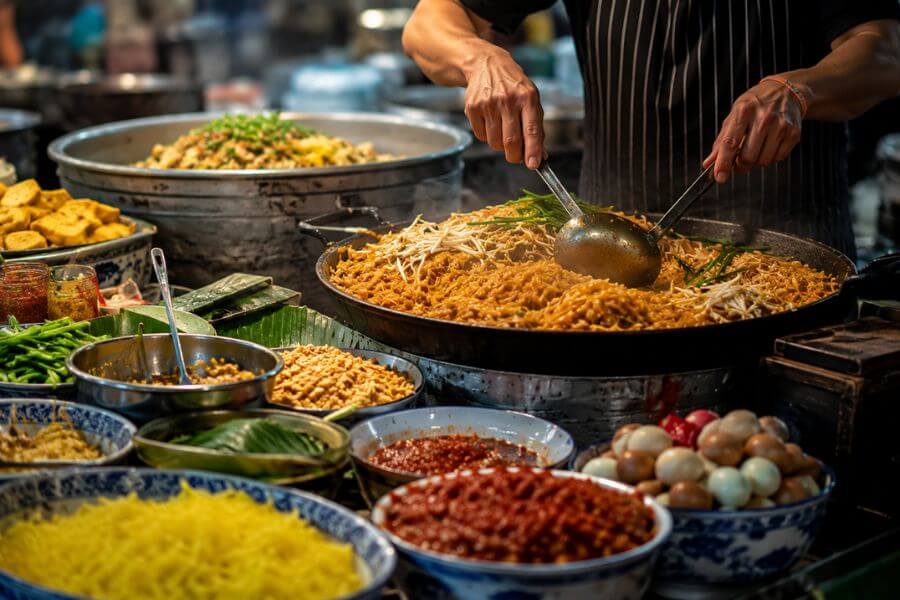
Traveling the world to chase down the best flavors is one of the most exciting things you can do. Imagine stepping off a plane and walking straight into a crowded night market filled with sizzling sounds, sweet smoke, and smells that make your mouth water. Culinary travel is all about discovering the soul of a place through its plates. But if you try to eat every single famous dish in the first two days, you will end up tired, overly full, and resting in your hotel room instead of exploring.
Planning a food-centric vacation requires a strategy. You need to know how to find the real hidden gems, manage your budget, and keep your energy high from morning until night. This guide will show you exactly how to map out an amazing food journey without hitting a wall.
Setting Your Culinary Travel Goals
Before you open a single map or look up a restaurant review, you need to decide what kind of food traveler you want to be on this specific run. Every country has a million different food paths. If you try to walk all of them at the same time, you will lose your mind and your budget. Setting clear goals helps you filter out the noise so you can focus on what actually sounds delicious to you.
Discovering Your Food Personality
Are you someone who likes to stand on a sidewalk with a paper plate, watching a cook flip noodles over an open fire? Or do you prefer sitting in a quiet, beautiful room where a server explains the history of a rare cheese? There is no wrong answer.
- The Street Food Explorer: You love crowded markets, loud sounds, bright colors, and low prices. You do not mind standing up to eat.
- The Fine-Dining Collector: You look for award-winning chefs, unique menus, and reservation lists that take months to get onto.
- The Cultural Historian: You want to know the why behind the dish. You love cooking classes, farm visits, and food museums.
- The Casual Wanderer: You like to follow your nose. You walk into neighborhood cafes that do not even have an English menu.
Picking the Perfect Destination
Once you know your style, you can match it to a location that delivers exactly what you want. Some cities are built for street snacking, while others are famous for long, slow dinners.
| Destination Type | Best For | Typical Daily Vibe |
| Mega Markets | Budget travelers, adventurous eaters | Fast-paced, sensory-rich, active |
| Historic Regions | Wine, cheese, slow lunches, history fans | Relaxed, scenic, educational |
| Modern Metropolises | Fine-dining, fusion food, trendy cafes | Sophisticated, organized, high-budget |
The Art of the Food Research Phase
The difference between a bad tourist meal and an unforgettable local dish comes down to your research. If you just walk into the first restaurant you see next to a major monument, you will likely get overpriced, bland food. True food discovery happens when you dig a little deeper before you leave home.
Moving Beyond the Standard Top-Ten Lists
The search engine results for best places to eat in Paris or where to eat in Tokyo are usually written for the masses. They list the most famous spots that are already packed with tourists. To find the spots that locals love, you have to change your search methods.
Look for local food writers who live in that specific city. Read regional newspapers that have a dining section. Check out online communities where people argue passionately about who makes the best broth or sauce in town. When you see the same neighborhood spot mentioned three times by three different local sources, you know you have found a winner.
Decoding Online Reviews Safely
Online reviews can be tricky. A restaurant might have five stars just because it has a nice view or fast service, even if the food is mediocre. On the flip side, an amazing street stall might have three stars because the owner is grumpy or there are no napkins.
- Look at the photos: Do the dishes look fresh, vibrant, and made with care? Or do they look like they came out of a frozen box?
- Read the complaints: If people complain about long lines or small tables, but say the food is incredible, that is a good sign.
- Check the language: If the reviews are written in the local language of the destination, it means the neighborhood actually eats there.
Building a Balanced Daily Itinerary
The biggest mistake food travelers make is scheduling too much eating into a twenty-four-hour period. If you book a heavy breakfast, a massive lunch tour, and a multi-course dinner, your body will rebel by day three. You need to space things out so that you are actually hungry when the food arrives.
The Anchor Meal Method
Instead of planning every second of your day around food, pick one Anchor Meal. This is your main culinary event for the day. It could be a famous lunch spot or a special dinner reservation. Once you have your Anchor Meal set, build the rest of your day around non-food activities like museum visits, park walks, or shopping.
A highly effective daily flow starts with a light breakfast consisting of a pastry and coffee, which leads into a morning walk or a museum visit. Next comes your main anchor meal, which is a heavy local lunch. You can then spend the afternoon exploring or resting, and wrap up the day with a light dinner such as soup or shared small plates.
By keeping the other meals light and flexible, you give your stomach a break. You also leave room for spontaneous snacks along the way, like a fresh fruit stand or a warm pastry from a bakery window.
Mapping Food by Neighborhood
Do not spend your day crossing back and forth over a massive city just to chase individual restaurants. That wastes time, burns up your energy, and makes you cranky. Group your food spots by neighborhood. Spend your morning eating and walking in the northern district, then move to the southern district for the afternoon. This keeps your travel smooth and lets you see how food styles change from one side of a city to the other.
Managing Your Body and Your Energy
Your stomach is your most important piece of luggage on a food trip. If you do not take care of it, your entire vacation will suffer. Eating rich, spicy, or unfamiliar foods multiple times a day is hard work for your digestive system. You have to treat your body like an athlete treats theirs.
Staying Hydrated the Right Way
When you are busy eating salty snacks, sweet desserts, and heavy meats, your body gets dehydrated quickly. Dehydration makes you feel tired and can mimic the feeling of being overly full or sick.
Carry a reusable water bottle everywhere you go. Drink a full glass of water between every food stop. If you are traveling in a country where tap water is unsafe, stick to sealed bottles or boiled tea. Avoid carbonated sugary sodas when you are full, as they just add gas and bloating to your stomach.
The Golden Rule of Pacing
You do not have to clean your plate at every single stop, especially on food tours or in street markets. If you buy a large portion of noodles and realize it is filling you up too fast, it is okay to stop eating after a few bites. Think of your stomach as a battery. You want to keep it hovering between forty percent and eighty percent full. Once you hit one hundred percent, the fun stops and the exhaustion sets in.
Navigating Street Food Markets with Confidence
Street food is the ultimate expression of a culture-rich culinary identity. It is fast, affordable, honest, and incredibly delicious. However, many travelers are scared of getting sick from street stalls. With a few smart observations, you can eat safely anywhere in the world.
Spotting a Safe and Clean Stall
You do not need a health inspection certificate to know if a street vendor is doing a good job. You just need to use your eyes and look for specific clues before you join the line.
When a stall experiences high customer turnover, the food moves exceptionally fast, which ensures the ingredients stay fresh. You should also look for a setup that utilizes separate roles, meaning one person handles the cash while a completely different person handles the food.
Watch how the vendor interacts with the food. Are they cooking things fresh to order over a high heat, or is the food sitting out in giant piles under the sun? High heat kills bacteria, so steaming hot soups, bubbling stews, and sizzling grills are always your safest bets.
Handling the Crowds and Ordering
Street markets can be loud, chaotic, and confusing. If you do not speak the local language, ordering can feel intimidating.
- Point and smile: Watch what the person ahead of you orders. If it looks good, point to it and hold up your fingers to show how many you want.
- Have small cash ready: Street vendors hate changing large bills. Keep coins and small notes in an easy-to-reach pocket.
- Eat where the families eat: If you see children and grandparents standing in line at a stall, that means the food is trusted by the local community.
High-End Dining and Making Reservations
While street food is wonderful, there is also something magical about experiencing a country-specific top-tier hospitality. High-end restaurants offer a look into how modern chefs are pushing the boundaries of traditional ingredients. But getting a table at these spots requires some serious forward thinking.
Cracking the Difficult Reservation Systems
The most famous restaurants in the world do not let you just walk in the door. Some open their booking systems exactly thirty days in advance at midnight local time. Others use lottery systems or waitlists that stretch for six months.
Mark reservation release dates on your calendar. Adjust for time zone differences so you do not miss the window. If you miss out on a prime dinner slot, look for a lunch booking instead. Lunch menus are often very similar to dinner menus, but they are easier to book and usually cost significantly less money.
Understanding Fine-Dining Etiquette Abroad
Every country has its own rules for formal dining. What is considered polite in New York might be rude in Tokyo or Paris.
- Tipping policies: Research whether tipping is expected, optional, or considered an insult in your destination.
- Dress codes: Many high-end spots require jackets, collared shirts, or closed-toe shoes. Pack at least one nice outfit so you do not get turned away at the door.
- The speed of the meal: In many parts of Europe, a fine-dining meal is an event that lasts three or four hours. Do not schedule a late-night show or a train ride right after a fancy dinner.
The Value of Taking Cooking Classes and Food Tours
If you want to truly understand what you are eating, you need to get behind the counter. Taking a guided food tour on your first day, or booking a local cooking class, will completely change how you experience the rest of your trip. It gives you the vocabulary and knowledge you need to navigate menus for the rest of your stay.
Why Food Tours are Essential on Day One
A good food tour is an investment in the rest of your vacation. By walking through a neighborhood with a local guide during your first twenty-four hours, you get an immediate crash course in the local food scene.
Your guide will show you how to order, tell you which dishes are seasonal specialties, and point out the tourist traps you should avoid. You can ask them for a list of their personal favorite restaurants, giving you a custom notebook of spots to visit during your remaining days.
Choosing the Right Cooking Experience
Cooking classes range from quick ninety-minute pasta making sessions to full-day farm-to-table experiences where you harvest your own vegetables.
| Class Type | Best For | What You Learn |
| Market-to-Kitchen | Adventurous eaters, market fans | How to pick fresh produce, bargaining, knife skills |
| Home Kitchen Class | Culture lovers, families | Authentic family recipes, traditional home cooking secrets |
| Professional Studio | Technique focused cooks | Modern plating, advanced kitchen skills, pastry work |
Smart Budgeting for Food Travelers
Food travel can get expensive quickly if you are not tracking your spending. Between fancy coffee stops, afternoon ice creams, and big dinners, the numbers add up fast. However, with a balanced approach, you can eat like royalty without breaking your bank account.
The High-Low Budget Strategy
The best way to manage your food wallet is to balance expensive meals with low-cost options. If you spend a large amount of money on a world-class dinner on Tuesday night, spend Wednesday eating delicious street food or buying fresh ingredients from a grocery store for a park picnic. This high-low strategy keeps your average daily spending reasonable. It also gives you a wonderful mix of perspectives, showing you both the wealthiest and the humblest sides of the local food culture.
Dealing with Hidden Restaurant Fees
In many countries, the price you see on the menu is not the final price you pay on the bill. Being caught off guard by extra charges can ruin a great mood.
Watch out for table fees or cover charges, which are common in many parts of Europe. This is a small fee just for sitting down and using the tablecloth and silverware. In other places, bread and water placed on your table automatically are not free; you will be charged for them if you touch them. Always check if tax and service charges are included in the menu prices or added at the very end.
Exploring Grocery Stores and Local Produce Markets
Some of the best food experiences do not happen in restaurants at all. They happen in the aisles of neighborhood supermarkets and municipal food halls. Visiting a foreign grocery store is like visiting a museum of everyday life. It shows you what real people eat on a normal Tuesday night.
Navigating Foreign Supermarkets
When you enter a supermarket in another country, head straight for the snack aisle and the dairy section. Look for chip flavors you have never seen before, unique soda colors, and local cheese varieties. Supermarkets are also the best place to buy edible souvenirs like spices, sauces, chocolates, and canned goods to take home to your friends. They cost a fraction of the price of the items sold in airport gift shops, and they are much more authentic.
The Magic of Neighborhood Covered Markets
Central food markets are the beating hearts of old cities. They are usually divided into sections: fishmongers on one side, butchers in the back, and mountains of colorful fruits and vegetables up front.
To secure the most authentic experience, plan to arrive early around seven o’clock in the morning so you can watch the various vendors set up their stalls. From there, you can grab a fresh market breakfast and photograph the beautiful product displays before the dense crowds arrive.
Respect the shoppers when you visit these markets. These are places of business, not just tourist attractions. Do not block the narrow walkways to take photos, and always ask before photographing a vendor or their products. If you want to sample things, buy a small bag of berries or a piece of pastry first to show that you are a paying customer.
Overcoming Language Barriers and Food Allergies
Not knowing how to speak the local language should never keep you from enjoying a great meal. With modern technology and a little bit of patience, you can communicate your preferences and dietary needs clearly anywhere on earth. The key is preparation before you find yourself standing in front of a busy waiter.
Using Translation Tools Effectively
Download your translation apps so that they work offline without internet access. Use the camera feature to read printed menus instantly.
However, do not just rely on digital screens. Learning a few basic spoken words goes a long way in showing respect to the restaurant staff. Learn how to say please, thank you, delicious, and the name of your favorite meat or vegetable. Even if your pronunciation is not perfect, the effort will put a smile on the server’s face and earn you better service.
Traveling Safely with Food Restrictions
If you have a severe food allergy or a strict dietary restriction, food travel requires extra caution. You cannot afford any misunderstandings when it comes to ingredients.
- Print allergy cards: Create small, professional cards written in the local language that explain your allergy clearly. Show this card to the chef or waiter when you order.
- Use visual symbols: Include pictures of the forbidden ingredients with a big red cross through them on your card so there is absolutely zero confusion.
- Research safe regional dishes: Every culture has naturally gluten-free, dairy-free, or vegetarian options. Learn what those dishes are before you arrive so you can seek them out safely.
Handling Food Fatigue and Homesickness
No matter how much you love exotic flavors, there will come a moment on a long trip where you just cannot look at another bowl of spicy noodles or another plate of rich sauce. This is called food fatigue, and it is a completely normal response for your brain and your body.
Recognizing the Signs of Burnout
Food fatigue starts when eating begins to feel like a chore instead of an adventure. You might find yourself feeling irritated by long lines, picking at your food without finishing it, or wishing you could just have a simple piece of toast or a plain bowl of cereal. When this happens, do not force yourself to keep exploring. Your body is telling you that it needs a break from processing complex spices and heavy fats.
How to Reset Your Palate
Resetting your palate is simple. Take a twenty-four-hour break from the local food scene. Find a quiet cafe and order something completely plain, like a green salad, some simple grilled chicken, or a plate of fresh fruit. You can even visit an international grocery store, buy a familiar box of crackers or cookies from your home country, and eat them in your hotel room while watching a movie. Once your stomach has had a chance to rest and process, your adventurous food cravings will come roaring back.
Frequently Asked Questions
How do I avoid getting sick from street food when traveling abroad?
Stick to stalls that have a long line of local people, especially families. Look for vendors who cook their food fresh to order over a very high heat, as heat kills harmful bacteria. Avoid raw vegetables washed in tap water, ice made from unpurified sources, and meats that have been sitting out under the sun. Watch the vendor to ensure the person handling the physical cash is not the same person touching the raw food with their bare hands.
What should I do if I accidentally book too many restaurant reservations?
Do not hesitate to cancel the reservations you do not truly want as early as possible. Most restaurants appreciate getting a cancellation notice twenty-four or forty-eight hours in advance so they can give the table to someone on their waitlist. If you keep too many heavy meals on your schedule, you will get food fatigue and stop enjoying the experience. Keep your top choice for each day and release the rest to give yourself more flexibility.
How can I find authentic local food spots without relying on tourist guidebooks?
Look for local food writers, food bloggers, and regional food sections in local newspapers. Check online forums where residents discuss their favorite neighborhood joints. When you arrive in a city, look where the taxi drivers, office workers, and students gather during lunchtime. Avoid places that have English menus with photos displayed on giant signs right outside the front door next to major tourist sights.
Is it rude to take photos of my food at high-end restaurants or street stalls?
In most cases, taking a quick photo of your plate is completely acceptable as long as you do it quickly without using a bright flash. A flash disturbs other diners and ruins the restaurant ambiance. At street stalls, always make eye contact and ask for permission before taking pictures of the vendor or their setup. Keep your camera use subtle so that it does not get in the way of your actual dining experience or block the staff from doing their jobs.
What are the best ways to manage a food budget in an expensive city?
Use the high-low budget strategy. Balance one nice, sit-down meal with a trip to a local grocery store or a covered food hall for your other meals. Many top-tier restaurants offer lunch menus that are significantly cheaper than their dinner offerings for a very similar quality of food. You can also save money by staying in an apartment with a kitchen, allowing you to prepare simple breakfasts using fresh items from the neighborhood market.