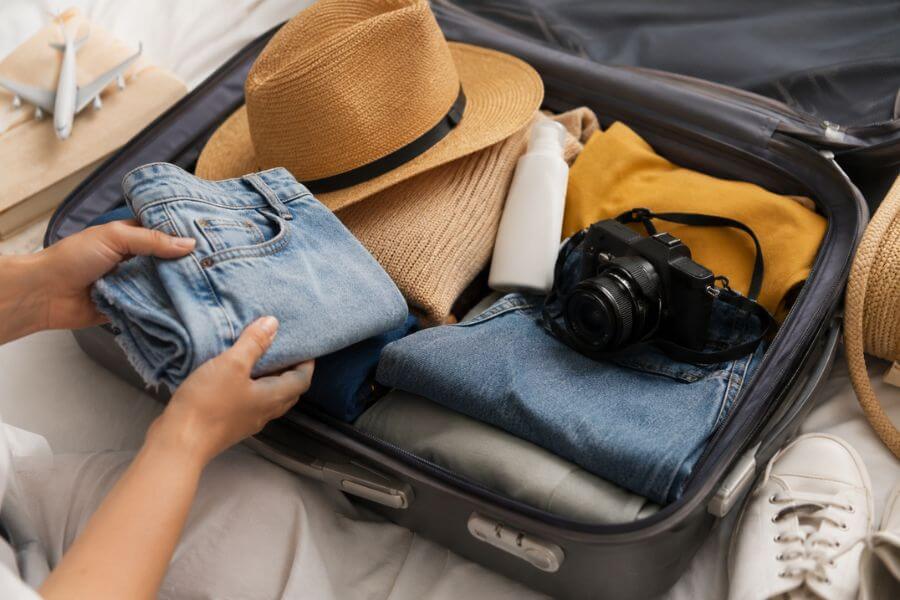
Key Takeaway: Pack Light, Think Safety
Preparing for a journey to Australia means striking a perfect balance between comfort and compliance. The country has incredibly strict biosecurity laws that protect its unique environment, so what you leave behind is just as vital as what you bring. Focus on versatile clothing layers, correct power adapters, high-quality sun protection, and a clear understanding of what you can legally bring through border control.
Preparing for Your Australian Adventure
Imagine stepping off a long flight, walking out of the airport, and feeling the warm southern hemisphere sun on your face. You are finally in Australia, the land of beautiful beaches, vast deserts, and incredible wildlife. But before you can dive into this amazing experience, you have to pack your bags. For travellers from the United States, packing for Australia is not just about tossing clothes into a suitcase. It requires a bit of strategy because the climate, the lifestyle, and the laws are quite different from what you might be used to at home.
This guide will walk you through exactly what you need to load into your luggage and what you absolutely must leave at home. By following these tips, you will save space, avoid heavy fines at the airport, and ensure you have everything you need for the trip of a lifetime.
Understanding the Australian Climate and Seasons
Before you choose a single item of clothing, you need to understand how the seasons work down under. Because Australia is in the southern hemisphere, its seasons are completely opposite to those in the United States. When it is summer in New York or Los Angeles, it is winter in Sydney and Melbourne. This can be confusing when you are planning your wardrobe, so it helps to look at the calendar carefully.
The Four Main Seasons
In the southern parts of Australia, such as New South Wales, Victoria, South Australia, and Tasmania, you will find four distinct seasons. Summer runs from December to February, bringing hot days that are perfect for the beach. Autumn occurs from March to May, offering cooler temperatures and lovely golden leaves. Winter spans from June to August, bringing chilly days and brisk nights, though it rarely snows outside of the mountain regions. Spring arrives from September to November, warming things up with beautiful wildflower blooms.
The Tropical North
If you are heading up north to places like Cairns, Darwin, or the Whitsunday Islands, the weather follows a completely different pattern. This region is tropical, meaning it stays warm or hot all year round. Instead of four seasons, it has two distinct periods: the wet season and the dry season. The wet season runs from November to April, featuring heavy rain, high humidity, and dramatic storms. The dry season takes place from May to October, offering clear blue skies, lower humidity, and pleasant breezes.
The Vast Outback
The interior of Australia, often called the outback, is a massive desert environment. The weather here can be extreme. During the summer months, daytime temperatures can soar to dangerous heights, often going well above forty degrees Celsius. In the winter, the days are beautifully sunny and warm, but the temperature drops dramatically as soon as the sun goes down, sometimes freezing during the night.
| Region | Best Time to Visit | What to Expect |
| Southern Cities (Sydney, Melbourne) | September to November & March to May | Mild weather, great for walking and exploring |
| Tropical North (Cairns, Darwin) | May to October | Warm, dry days with very little rainfall |
| The Outback (Uluru, Alice Springs) | June to August | Warm days but very cold nights |
Essential Documents and Financial Items
Getting your paperwork in order is the most important part of your travel preparation. Without the right documents, you will not even be allowed to board your flight. You should make physical copies of all your important papers and store digital versions on your phone or in cloud storage just in case something goes missing.
Passports and Visas
Your United States passport must be valid for the entire length of your stay in Australia. It is also a good idea to have at least six months of validity remaining from your date of arrival, as this is a standard rule for many international destinations.
United States citizens cannot simply turn up in Australia without an entry permit. You will need to apply for an Electronic Travel Authority, which is commonly known as an ETA. This is a digital visa that links directly to your passport. You must apply for this using the official Australian government app on your smartphone before you leave home. It usually processes quickly, but it is best to do it at least a few weeks before your departure date.
Money and Banking
Australia is a highly digital society when it comes to money. You can pay for almost everything using a debit card, a credit card, or even your smartphone or smartwatch. In fact, many cafes, restaurants, and shops in the big cities do not accept cash at all.
Before you catch your flight, call your bank and credit card companies to let them know you are travelling overseas. If you forget to do this, their security systems might flag your foreign transactions as suspicious and freeze your accounts, leaving you without a way to pay for things. Look for cards that do not charge foreign transaction fees, as these small costs can add up quickly over a long holiday.
While cards are king, it is still smart to keep a small amount of Australian cash in your wallet. If you travel into the deep outback, visit small country markets, or need to buy something minor from a tiny shop, cash can still be useful. You do not need to exchange hundreds of dollars at the airport, as the exchange rates there are often very poor. Instead, you can simply use your United States bank card to withdraw some local currency from an automated teller machine once you land in Australia.
Health Insurance and Driving Documents
It is wise to carry your health insurance details and a travel insurance policy document with you. Travel insurance is highly recommended because medical care for international visitors can be very expensive if you do not have coverage.
If you plan to rent a car to explore the beautiful coastlines or the outback, you will need your valid United States driver’s licence. Australia allows you to drive using an English-language foreign licence, so you do not necessarily need an international driving permit, but your home licence must be current and clear.
Clothing You Must Bring
Packing clothing for Australia requires you to think about comfort, sun safety, and changing weather conditions. Australians generally dress in a casual, relaxed style, so you do not need to pack a lot of formal outfits unless you are visiting for specific business events or high-end dining experiences.
The Power of Layering
The secret to packing light for Australia is choosing clothes that you can layer. In many cities, the weather can change throughout the day. You might start the morning in a cool breeze, experience a hot afternoon, and then face a chilly wind in the evening.
Pack lightweight t-shirts, long-sleeved shirts, and a couple of light sweaters or cardigans. A wind-resistant, water-resistant jacket is a fantastic addition to your bag, regardless of the season. It will protect you from unexpected rain showers and keep you warm during breezy ferry rides across Sydney Harbour or evening walks in Melbourne.
Smart Casual is the Standard
For daily outings, shorts, skirts, jeans, and casual shirts are perfect. When Australians go out for dinner or drinks at a local pub, the dress code is usually smart casual. For men, this means neat shorts or trousers paired with a collared shirt or a high-quality t-shirt. For women, a casual dress, a skirt, or nice pants with a blouse work beautifully.
Sun-Safe Clothing
The sun in Australia is incredibly strong, much stronger than in most parts of North America. Because of a thin ozone layer and clean air, you can get sunburned in a matter of minutes, even on cloudy days. Packing clothes that protect your skin is a necessity rather than a choice.
Look for lightweight, loose-fitting clothing made from natural fabrics like cotton or linen. Long-sleeved linen shirts are excellent because they keep you cool while shielding your arms from harmful ultraviolet rays. You should also look for clothing items that have a built-in ultraviolet protection factor rating, which tells you how well the fabric blocks out the sun.
Swimwear and Beach Gear
You cannot visit Australia without spending time near the water. Bring at least two swimsuits so that one can dry while you wear the other. A lightweight beach cover-up or a sarong is helpful when you walk from the sand to a nearby cafe.
Footwear for Every Occasion
Your choice of shoes can make or break your holiday. You will likely do a lot of walking, whether you are exploring city pavements or hiking along rugged coastal tracks.
- Comfortable Sneakers: Bring a sturdy, well-worn pair of walking shoes or sneakers for daily city exploration. Do not bring brand new shoes that you have never worn before, as they can cause painful blisters.
- Hiking Boots or Trail Shoes: If you plan to explore national parks, the outback, or mountain trails, bring shoes with excellent grip to handle rocky and uneven surfaces.
- Sandals or Flip-Flops: In Australia, flip-flops are universally called thongs. They are the standard footwear for the beach, pool, and casual walks down to the local shops. Bring a comfortable pair that can handle getting wet.
- Neat Shoes for Evening: Pack one pair of nicer shoes, like leather flats, loafers, or neat boots, for heading out to nicer restaurants or bars in the evening.
Footwear Comparison for Australian Activities
To help you decide which shoes to put in your bag, consider how your itinerary matches up with different types of footwear.
| Shoe Type | Best Activity | Why You Need It | Space Saved Rating |
| Walking Sneakers | City tours, museum visits, long walks | Offers arch support on hard concrete paths | Medium |
| Thongs (Flip-Flops) | Beach days, poolside relaxation, shared bathrooms | Light, water-resistant, easy to slip on and off | High |
| Hiking Boots | Outback trails, rainforest walks, rocky hills | Protects your ankles and stops you from slipping | Low |
| Smart Leather Shoes | Fine dining, theatre trips, rooftop bars | Helps you meet dress codes in upscale venues | Medium |
Electronics and Gadgets
Staying connected and keeping your devices charged is essential for a smooth trip. However, because Australia uses a different electrical system than the United States, you need to be careful with what you bring.
Power Adapters and Converters
The most important electronic accessory you need is an Australian plug adapter. Australia uses a Type I plug, which features two flat, slanted pins forming an inverted V-shape, often with a third vertical grounding pin at the bottom. This is completely different from the two parallel flat pins used in the United States.
Beyond the shape of the plug, you must understand the voltage difference. The electrical grid in the United States runs on one hundred and ten volts, while Australia operates on a much more powerful two hundred and forty volts.
Many modern electronics, such as smartphones, laptops, tablets, and camera battery chargers, are dual-voltage devices. This means they are designed to handle both systems. You can check this by reading the tiny text printed on your charger block. If it says something like Input: 100-240V, it is safe to use in Australia with a simple plug adapter.
If your device is not dual-voltage, plugging it into an Australian outlet can destroy the device or even cause an electrical fire. For these items, you would need a heavy, expensive voltage converter, which is generally not worth carrying around.
Portable Power Banks
You will likely use your smartphone constantly during your trip to take photos, look up maps, check train schedules, and show your digital visa or boarding passes. All this activity drains your battery quickly. Bring a high-quality portable power bank so you can recharge your phone on the go, especially during long day trips into the national parks or outback areas where you might not see an electrical outlet for many hours. Remember that power banks must always be packed in your carry-on luggage, as they are not allowed in checked bags due to aviation safety rules.
Photography and Entertainment
Australia is incredibly beautiful, so you will want a reliable way to capture memories. Whether that is a high-end digital camera or just a modern smartphone, ensure you have plenty of storage space available before you start your trip. If you plan to swim near the Great Barrier Reef or visit tropical waterfalls, a waterproof action camera or a high-quality waterproof case for your phone is an excellent investment. For long flights and lengthy train or bus rides across the country, a pair of noise-cancelling headphones and an e-reader loaded with books will keep you comfortable and entertained.
Health, Hygiene, and Sun Protection
Taking care of your body while travelling is essential, especially when you are entering an environment with intense sun and unique insects.
The Ultimate Sun Protection Routine
We cannot talk about Australia without emphasizing sun safety once again. The Australian sun contains very high levels of radiation, and sunburn can happen much faster than you think. To stay safe, you must follow the famous Australian message: Slip, Slop, Slap, Seek, Slide.
- Slip: Slip on sun-protective clothing that covers your skin.
- Slop: Slop on water-resistant, broad-spectrum sunscreen. While you can bring sunscreen from home, it is actually smarter to buy it when you arrive in Australia. Australian sunscreens are regulated as medicines and are designed specifically to combat the harsh local conditions. Look for a local brand with a high sun protection factor rating of fifty or above, and reapply it every two hours.
- Slap: Slap on a wide-brimmed hat that shades your face, ears, and the back of your neck. A standard baseball cap leaves your ears and neck exposed to the sun, which can lead to painful burns.
- Seek: Seek shade under trees, umbrellas, or awnings, especially during the hottest parts of the day, between ten in the morning and four in the afternoon.
- Slide: Slide on high-quality sunglasses that offer premium protection against ultraviolet rays to shield your eyes from the bright glare.
Insect Repellent
Australia is home to plenty of biting insects, including mosquitoes and tiny biting flies called midges. In tropical northern regions, mosquitoes can carry tropical illnesses, while in the outback, swarms of bush flies can be incredibly annoying. Bring or buy a high-quality insect repellent that contains an active ingredient like DEET or Picaridin. If you are going deep into the outback during the summer, you might even want to buy a lightweight head net that fits over your hat to keep flies away from your face.
Medications and First Aid
If you take prescription medications, you must bring an adequate supply to last your entire trip, along with a few extra days’ worth in case of travel delays. Keep all medications in their original packaging with the pharmacy labels clearly showing your name and the dosage instructions. It is also wise to carry a signed letter from your doctor explaining what the medications are and why you need them. When you arrive in Australia, you must declare any prescription medicines on your incoming passenger card.
For general health, pack a small personal first aid kit containing basic items such as:
- Pain relief tablets like ibuprofen or paracetamol.
- Antihistamine tablets for unexpected allergic reactions or insect bites.
- Motion sickness tablets if you plan to go on boat tours to see reefs or whales.
- Blister pads and adhesive bandages to protect your feet during long walks.
- Rehydration powders, which are incredibly helpful if you spend hot days walking in the outback or lounging on the sand.
Things You Must Leave Behind
Australia is an island nation with an isolated ecosystem. This means it is free from many of the pests, plant diseases, and animal illnesses that cause trouble in other parts of the world. To protect its environment and agricultural industries, the country enforces some of the strictest border control and biosecurity laws on earth. Bringing forbidden items into the country, even by accident, can result in severe financial penalties, visa cancellation, or even legal trouble.
Fresh Food and Agriculture
You must not bring any fresh food into Australia. This includes fresh fruits, vegetables, meat products, poultry, fish, and dairy items. If you pack an apple, a banana, or a sandwich on the plane to eat as a snack, you must finish it before you step off the aircraft or throw it into the marked biosecurity bins at the airport terminal.
Seeds, Plants, and Soil
All types of seeds, plants, flowers, and bulbs are strictly prohibited. This rule also applies to items that contain seeds, such as heat packs filled with grains, certain herbal remedies, and traditional decorations.
You must also ensure that anything you bring is clean. If you are packing hiking boots, camping gear, sports equipment, or golf clubs, you must scrub them thoroughly before you pack them. They must be completely free of mud, soil, clay, and grass seeds. Soil can carry dangerous fungi, bacteria, or microscopic pests that could devastate local farms and forests.
Animal Products
Items made from animals can also pose a huge biosecurity risk. Avoid bringing raw leather, untanned hides, feathers, bones, teeth, or shells unless they have been professionally treated and declared. Even certain types of wooden souvenirs from other countries can contain wood-boring insects, so they must be inspected by border officers upon arrival.
Certain High-Risk Items to Avoid
| Item Category | Why You Must Leave It Behind | Safe Alternative |
| Fresh Fruit and Vegetables | Can carry exotic fruit flies and plant diseases | Buy delicious fresh local produce at Australian grocery shops |
| Meat Products (Jerky, Biltong) | Can carry foot-and-mouth disease or swine fever | Purchase Australian beef or kangaroo jerky once you arrive |
| Muddy Footwear | Soil carries harmful spores, seeds, and bacteria | Clean your shoes completely before packing them |
| Flight Weapons & Self-Defence | Items like pepper spray are illegal to carry in many states | Stay aware of your surroundings; Australia is generally very safe |
The Golden Rule of Australian Customs: Declare It
When you are on the plane flying towards Australia, the cabin crew will hand you an Incoming Passenger Card. This is a legal document where you must answer a series of questions about what you are bringing into the country.
If you have any food, plant material, wooden items, or medicines in your luggage, you must check the box marked Yes next to the relevant question. Checking Yes does not mean your items will automatically be confiscated. It simply means you are doing the right thing by showing them to a biosecurity officer.
The officer will look at your items and decide if they are safe to enter the country. If they are safe, you get to keep them. If they are not, the officer will safely destroy them for you. As long as you declare the items honestly, you will never face a fine or a penalty, even if the item turns out to be forbidden. However, if you check No and border officers discover hidden food or agricultural items in your bags during x-ray scans or canine inspections, you can face an instant fine of thousands of dollars. When in doubt, always declare it.
Common US Travel Items to Leave in America
There are several everyday items that citizens of the United States regularly pack for domestic trips that simply do not work well or are not necessary in Australia. Leaving these behind will free up valuable weight and space in your suitcases.
Single-Voltage Styling Tools
Hair dryers, curling irons, and hair straighteners from the United States are almost always single-voltage devices designed only for one hundred and ten volts. If you connect them to an Australian two hundred and forty volt socket using a simple plug adapter, they will quickly overheat, burn out, and potentially cause a short circuit.
Most Australian hotels, motels, and holiday rentals provide hair dryers for guests to use free of charge. If you absolutely cannot live without your styling tools, it is much safer and easier to purchase an inexpensive curling iron or straightener at a local Australian department shop when you land, or invest in a high-quality dual-voltage travel styler before you depart.
Heavy Winter Coats
Unless you are specifically travelling to the snowy peaks of the Australian Alps in the middle of July to go skiing, you can safely leave your heavy, bulky winter parkas and thick down jackets at home. Even during the winter months, coastal cities like Sydney, Brisbane, and Perth enjoy mild daytime temperatures that rarely drop below ten degrees Celsius. A good quality sweater combined with a light, wind-resistant jacket is more than enough to keep you comfortable on a chilly winter day.
Too Many Formal Clothes
The Australian lifestyle is deeply rooted in outdoor beach culture and relaxed social gatherings. The local style reflects this easy-going approach to life. You will rarely see people wearing formal suits or elaborate dresses unless they are attending a wedding, a major business conference, or an upscale evening event. Packing too many formal outfits will only result in wrinkled clothes that spend the entire trip sitting at the bottom of your suitcase. Focus on comfortable, clean, and neat casual clothing that can easily transition from a morning coastal walk to an afternoon cafe lunch.
Smart Packing Tips for Your Long-Haul Flight
The journey from the United States to Australia is a long one, typically involving a flight that lasts anywhere from fourteen to twenty hours, depending on your departure city. Spending that much time in an airplane cabin requires some smart packing for your carry-on bag to ensure you stay comfortable and arrive feeling refreshed.
Maximising Comfort in the Cabin
Airplane cabins are notorious for having dry air and unpredictable temperatures. To stay comfortable throughout the long flight, wear loose, breathable clothing and dress in layers that you can easily add or remove as the cabin temperature shifts.
Pack a small travel pillow to support your neck, a soft eye mask to block out cabin lights when you want to sleep, and a pair of warm, cozy socks to keep your feet comfortable once you slip your shoes off. Staying hydrated is also incredibly important during a long flight, so bring a durable, empty water bottle through airport security and fill it up at a water station before you board the plane.
The Ultimate Carry-On Checklist
Your carry-on bag should contain all your essential valuables, entertainment options, and a few basic hygiene items to help you freshen up before landing.
- Valuables and Documents: Keep your passport, visa confirmation printouts, wallet, smartphone, and prescription medications with you at all times.
- Electronics Chargers: Pack the charging cords for your phone and headphones in your carry-on, along with your portable power bank. Many modern long-haul planes feature built-in universal power sockets or USB ports at every seat.
- Change of Clothes: Pack a clean t-shirt, underwear, and a fresh pair of socks in your carry-on bag. If your checked luggage happens to be delayed or misplaced by the airline, you will at least have a fresh set of clothes to change into when you arrive.
- Mini Toiletries Kit: Bring a small, clear bag filled with travel-sized items like a toothbrush, toothpaste, lip balm to combat dry cabin air, moisturising lotion, and a small pack of wet wipes or face wipes.
Final Preparations Before You Leave
As your departure date approaches, take a final look through your packing list and double-check your preparations. Make sure your digital visa is approved, your bank is informed of your travel plans, and your luggage meets the weight and size limits set by your airline. By packing mindfully and respecting Australia’s strict environment protection laws, you are setting yourself up for an incredible, stress-free adventure in one of the most beautiful and unique countries in the world.
Frequently Asked Questions
Can I bring snacks like chips, candy, or protein bars from the US into Australia?
Yes, you can generally bring commercially packaged snacks like potato chips, chocolate candy, biscuits, and processed protein bars into Australia, but you must declare them on your incoming passenger card. These items must be shelf-stable, sealed in their original factory packaging, and fully listed with all ingredients. Fresh, homemade, or unsealed snacks are strictly forbidden and must be thrown away before you pass through border control.
Will my United States cell phone work when I arrive in Australia?
Most modern smartphones from the United States will work perfectly in Australia, provided they are unlocked by your home carrier. When you arrive, you can purchase a local Australian subscriber identity module card, commonly called a SIM card, at the airport or from a local supermarket. This will give you an Australian phone number and access to cheap local data networks. Alternatively, you can check if your United States mobile provider offers an affordable international roaming plan for your trip.
Is it safe to drink the tap water in Australia, or should I pack a water filter?
The tap water throughout Australia is exceptionally clean, safe, and pleasant to drink in all major towns and cities. You do not need to bring a water filter, purification tablets, or buy tons of plastic bottled water. Simply pack a reusable water bottle and refill it from kitchen taps, hotel sinks, or public drinking fountains found in parks and near beaches across the country. If you travel into extremely remote outback areas or stay at isolated campsites, the water may come from rainwater tanks, which usually require boiling or treatment before consumption.
Do I need to pack a formal suit or formal dress for high-end dining in Australia?
No, you generally do not need to pack highly formal clothing like a tuxedo or a ballgown for high-end restaurants in Australia. The local dining scene values a style known as smart casual or relaxed elegance. For men, tailored trousers or dark, neat jeans paired with a collared button-down shirt and leather shoes are perfectly acceptable. For women, a nice dress, a jumpsuit, or smart trousers with a beautiful top work wonderfully. Always check the specific website of any top-tier restaurant you plan to visit just to confirm their exact dress code guidelines.