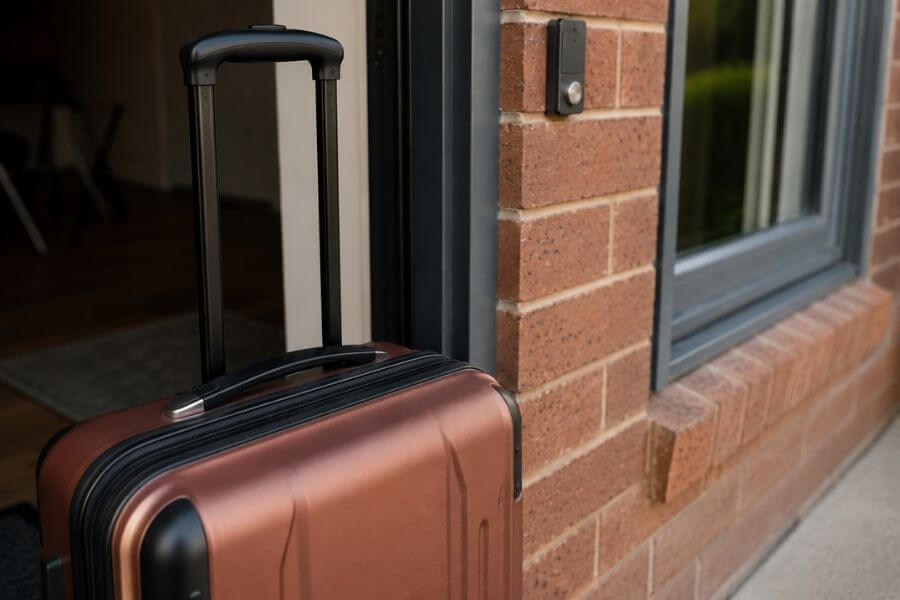
House sitting has become a popular way to travel around Australia while keeping accommodation costs low. At first glance, it can seem like the perfect arrangement. You get a place to stay, homeowners get peace of mind, and pets receive care while their owners are away.
However, house sitting is not always as easy as social media posts and travel blogs make it seem. While many people enjoy the lifestyle, there are several challenges that can catch first-time house sitters by surprise. Understanding these drawbacks before you commit can help you decide whether house sitting is the right travel option for you.
In this guide, you’ll discover the biggest downsides of house sitting your way around Australia and what you can do to manage them.
Quick Summary Table
| Downside | Main Challenge | Potential Impact |
|---|---|---|
| 1. Unpredictable Availability | Hard to secure continuous sits | Travel disruptions and accommodation gaps |
| 2. Responsibility for Pets and Property | Significant daily commitments | Reduced travel freedom |
| 3. Location Limitations | Sits may be in remote or suburban areas | Increased transport costs and inconvenience |
| 4. Competition for Popular House Sits | High demand for desirable properties | Difficulty getting accepted |
| 5. Lack of Long-Term Stability | Frequent moving between homes | Fatigue and planning stress |
How We Ranked These Downsides
We ranked these challenges based on the factors that most commonly affect house sitters travelling across Australia:
- Impact on your overall travel experience
- Frequency reported by experienced house sitters
- Financial consequences
- Restrictions on freedom and flexibility
- Difficulty of solving the problem
- Effect on long-term travel plans
- Potential stress levels for first-time sitters
1. Unpredictable Availability of House Sits
One of the biggest misconceptions about house sitting is that opportunities are always available whenever you need them. In reality, finding continuous house sits can be difficult, especially if you are travelling through popular destinations during peak seasons.
Homeowners typically post listings according to their travel schedules, not yours. This means you may find several great opportunities one month and very few the next.
For example, you might secure a two-week sit in Melbourne but struggle to find another sit immediately afterwards. As a result, you may need to book temporary accommodation while waiting for your next assignment.
The challenge becomes even greater if you are travelling with a partner, children, or pets, as some homeowners prefer solo sitters or couples without additional responsibilities.
To make house sitting work long-term, you often need flexibility with your travel dates and destinations. Otherwise, accommodation gaps can quickly increase your expenses.
2. Responsibility for Pets and Property Can Limit Your Freedom
Many people choose house sitting because they want an affordable way to explore Australia. However, the reality is that you’re not simply receiving free accommodation. You are taking responsibility for someone else’s home, pets, and often valuable possessions.
Pet care can be a full-time commitment depending on the animals involved. Dogs may require multiple daily walks, feeding schedules, medication, and companionship throughout the day.
Some homeowners also have specific instructions regarding:
- Garden maintenance
- Pool care
- Security systems
- Mail collection
- Waste management
- Household maintenance
These responsibilities can significantly reduce your ability to take spontaneous day trips or overnight adventures.
If your goal is to explore national parks, go on multi-day road trips, or spend long hours sightseeing, some house sits may feel more like work than travel.
3. Many House Sits Are Not in Prime Tourist Locations
While some house sits are located near beaches, city centres, or major attractions, many are found in suburban neighbourhoods or regional communities.
This isn’t necessarily a negative thing, but it can create unexpected challenges if you are hoping to experience Australia’s most famous destinations.
For example, a house sit might be located:
- Forty minutes from the nearest city centre
- In a regional farming community
- Far from public transport
- Several hours from major tourist attractions
If you do not have your own vehicle, transport costs can quickly add up. Even with a car, spending significant time driving each day may reduce the convenience that house sitting initially promised.
Some travellers discover they spend more money on fuel and transport than expected simply because the available sites are not located where they originally wanted to visit.
4. Competition for the Best Opportunities Is Intense
Popular house sits often attract dozens of applications within hours of being listed.
Properties located in highly desirable areas such as Sydney, Brisbane, Perth, Adelaide, and coastal regions can be especially competitive.
Homeowners frequently choose sitters who have:
- Strong reviews
- Previous house sitting experience
- Detailed profiles
- References
- Flexible availability
This can make it difficult for beginners to secure their first opportunities.
You may spend hours creating applications only to receive no response or discover the homeowner selected another candidate.
Many new house sitters underestimate the amount of effort required to build a solid reputation. The first few sits are often the hardest to obtain, and patience is essential while establishing your profile.
5. Constant Moving Can Become Exhausting
One of the less discussed downsides of house sitting around Australia is the lack of stability.
Every new assignment typically involves:
- Packing your belongings
- Travelling to a new location
- Learning house rules
- Adapting to different pets
- Adjusting to new routines
- Navigating unfamiliar neighbourhoods
At first, this lifestyle can feel exciting. Over time, however, the constant movement can become tiring.
Some house sits may only last a few days or weeks, meaning you are regularly planning your next destination instead of enjoying the current one.
The uncertainty can also create stress when future bookings are not yet confirmed. Many long-term house sitters report that managing schedules and applications eventually becomes one of the most demanding aspects of the lifestyle.
If you value routine and stability, frequent relocation may become a significant drawback.
Conclusion
House sitting can be an excellent way to reduce accommodation costs while travelling around Australia, but it is not without challenges. Unpredictable availability, pet care responsibilities, location limitations, strong competition, and constant moving can all affect your experience.
The good news is that many of these downsides become easier to manage as you gain experience and build a positive reputation. By understanding the realities of house sitting before you begin, you can set realistic expectations and create a travel plan that works for your lifestyle.
For some travellers, house sitting provides incredible opportunities and memorable experiences. For others, the responsibilities and uncertainty may outweigh the benefits. Carefully weighing both sides will help you decide whether house sitting is the right way to explore Australia.
Frequently Asked Questions
Can you make money from house sitting in Australia?
Most house-sitting arrangements in Australia are unpaid. The main benefit is receiving accommodation in exchange for caring for the property and pets. Some specialised arrangements may offer payment, but they are less common.
How far in advance should you apply for house sits?
Many experienced house sitters recommend applying as soon as suitable listings become available. Popular opportunities can receive numerous applications within a short period, particularly in major cities and coastal areas.
Do house sitters need insurance?
While it is not always required, having personal liability or travel insurance can provide additional protection. Some house-sitting platforms also offer limited insurance coverage as part of membership packages.
Is house sitting suitable for families with children?
Some homeowners welcome families, while others prefer solo sitters or couples. Families may have fewer available opportunities, so it is important to carefully review listing requirements before applying.
What happens if a homeowner returns home later than expected?
Most homeowners discuss potential delays before the sit begins. In some situations, house sitters may be asked to extend their stay. Clear communication beforehand helps avoid misunderstandings if travel plans change.