If you think the Barossa Valley is only about famous wineries and crowded cellar doors, you are missing some of its best experiences. South Australia’s most famous wine region is packed with hidden gems that many visitors drive straight past. From underground tasting rooms and tiny family-run vineyards to old stone cottages and secret food spots, the Barossa has far more to offer than the usual tourist trail.
When you slow down and explore beyond the big-name wineries, you discover the true heart of the region. You meet passionate locals, taste wines you cannot easily find anywhere else, and enjoy experiences that feel personal rather than commercial.
Whether you are planning your first trip or returning for another wine escape, these best-kept secrets of the Barossa Valley will help you experience the region like an insider.
Quick Summary Table 🗺️
| Secret Spot or Experience | Best For | Why It Stands Out |
|---|---|---|
| Small family cellar doors | Authentic tastings | Personal stories and limited wines |
| Underground tasting experiences | Unique atmosphere | Cool historic wine cellars |
| Hidden scenic drives | Relaxed exploring | Quiet roads with stunning vineyard views |
| Old vine Shiraz tastings | Serious wine lovers | Some of the world’s oldest vines |
| Local bakery stops | Food lovers | Traditional German-style treats |
| Boutique olive oil farms | Gourmet travellers | Fresh local produce and tastings |
| Heritage villages | History lovers | Charming streets and stone buildings |
| Barossa farmers markets | Fresh local flavours | Handmade produce and artisan goods |
| Secret picnic locations | Romantic getaways | Peaceful vineyard settings |
| Sunset vineyard experiences | Photographers and couples | Golden hour views across rolling hills |
How We Ranked These Secrets 🏆
We ranked these Barossa Valley hidden gems using a mix of factors that matter most to wine lovers and travellers looking for memorable experiences.
- Authentic local experiences
- Quality of wine and food
- Scenic beauty and atmosphere
- Value for money
- Unique experiences you cannot easily find elsewhere
- Cultural and historical importance
- Less crowded and more relaxing locations
- Visitor reviews and local recommendations
- Accessibility for day trips and weekend visits
- Overall wow factor
1. Discover Tiny Family-Owned Cellar Doors 🍇
Some of the best wine experiences in the Barossa happen in places without large signs, tour buses, or crowded tasting benches. Small family-run cellar doors often offer the warmest welcome and the most memorable wines.
When you visit these boutique wineries, you are usually tasting wines made in small batches with generations of family knowledge behind them. The person pouring your wine may also be the grower or winemaker. That creates a much more personal experience than larger commercial wineries.
You often hear stories about the vineyard’s history, how the weather shaped the vintage, and why certain wines are made in limited quantities. Many of these wines are hard to find outside the region, which makes the experience feel even more special.
These cellar doors are perfect if you enjoy slower travel and meaningful conversations while sipping exceptional Shiraz, Grenache, and Riesling.
2. Explore Underground Wine Cellars 🍾
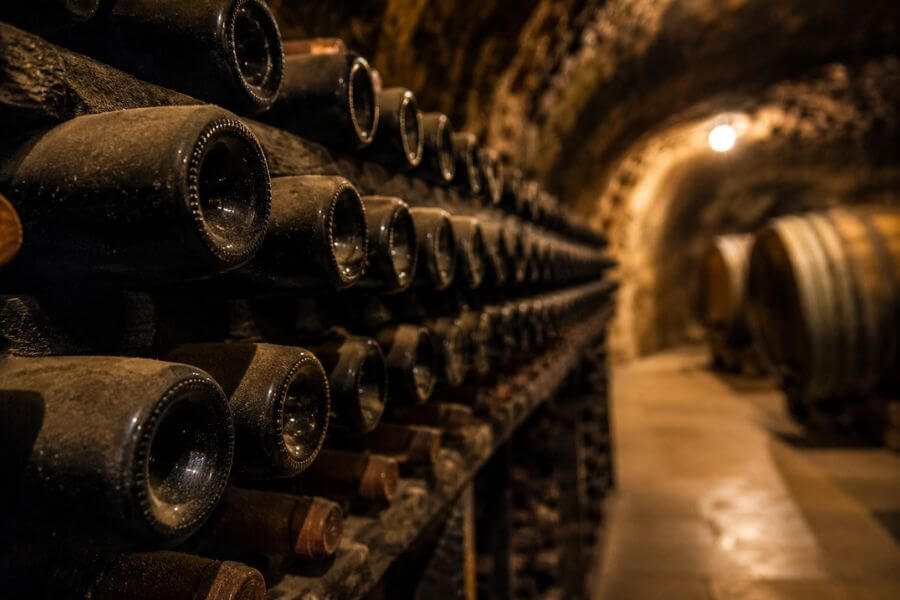
One of the Barossa Valley’s lesser-known attractions is its collection of underground wine cellars and barrel rooms. Stepping into these cool stone spaces feels like entering another world.
The temperature instantly drops, the air smells of oak barrels and ageing wine, and the atmosphere becomes calm and quiet. Some underground cellars date back decades and hold incredible stories about the region’s winemaking history.
These spaces are not only beautiful but also practical. Underground storage helps wine mature slowly and consistently. During tastings, you can sample wines straight from the barrel while learning how they develop over time.
For wine lovers who enjoy behind-the-scenes experiences, underground tastings are often far more exciting than standard cellar door visits.
3. Take the Back Roads Instead of Main Tourist Routes 🚗
Many visitors stick to the main roads through Tanunda, Nuriootpa, and Angaston. While these towns are wonderful, some of the Barossa’s best scenery is hidden along quiet country roads.
Driving the back roads lets you discover rolling vineyards, old gum trees, stone cottages, and tiny farms without the traffic and crowds. You can stop whenever you want to take photos, enjoy a picnic, or simply admire the landscape.
The slower pace helps you connect with the region in a different way. Instead of rushing between wineries, you start appreciating the peaceful beauty that makes the Barossa so special.
Spring and autumn are especially beautiful seasons for scenic drives because the vineyards are full of colour and the weather is comfortable for exploring.
4. Taste Wine From Some of the World’s Oldest Vines 🍷
Many people do not realise the Barossa Valley is home to some of the oldest continuously producing grapevines in the world.
Some vineyards date back more than 100 years and still produce rich, concentrated fruit used in premium wines. These old vines survived periods that destroyed vineyards in other parts of the world, making them incredibly valuable and rare.
Old vine Shiraz from the Barossa is famous for its bold flavour, deep colour, and smooth texture. You may notice flavours of blackberry, dark chocolate, spice, and earthy richness that younger vines often cannot produce.
Tasting wine from these historic vineyards gives you a deeper appreciation for the region’s winemaking heritage and why Barossa wines are respected around the world.
5. Visit Traditional Bakeries for German-Inspired Treats 🥨
The Barossa Valley has a strong German heritage, and one of the tastiest ways to experience it is through the local bakeries.
Many visitors focus only on wine and overlook the incredible pastries, breads, and cakes found throughout the region. Traditional bakeries serve treats like streusel cake, pretzels, fruit buns, and flaky pastries that pair perfectly with coffee or dessert wine.
These bakeries are often family-owned and use recipes passed down through generations. Walking into one feels warm, comforting, and wonderfully old-fashioned.
Stopping for baked goods between winery visits is also a smart way to slow your pace and avoid tasting too many wines too quickly.
6. Discover Boutique Olive Oil Producers 🫒
Wine may be the star of the Barossa, but the region also produces excellent olive oil. Small olive farms and boutique producers create fresh oils packed with flavour and character.
Many travellers skip these experiences because they are focused entirely on wine tasting. That is a mistake because olive oil tastings can be surprisingly fun and educational.
You learn how different olive varieties affect flavour, how fresh oil should taste, and why high-quality olive oil matters in cooking. Some producers also offer gourmet platters with local bread, cheese, and dukkah.
These stops add variety to your trip and help you experience the wider food culture of the Barossa Valley.
7. Wander Through Historic Heritage Villages 🏡
Beyond the vineyards, the Barossa Valley is filled with charming heritage towns that many visitors barely explore.
Walking through villages like Angaston or Lyndoch lets you admire old stone churches, heritage cottages, boutique shops, and quiet tree-lined streets. The architecture reflects the region’s European roots and gives the area a timeless feel.
These villages are best explored slowly. You can browse local art galleries, chat with shop owners, or enjoy a relaxed lunch at a hidden cafe.
The history of these towns adds depth to your trip and reminds you that the Barossa is more than just a wine destination.
8. Shop at Local Farmers Markets 🧀
One of the best ways to experience the true flavour of the Barossa is by visiting its local farmers markets.
You find fresh produce, handmade cheeses, smoked meats, jams, chocolates, and artisan products created by local growers and makers. Many stallholders are passionate about sharing the stories behind their products, which makes shopping feel far more personal.
Markets also give you the chance to try regional flavours you may never see in supermarkets. You can build your own picnic basket filled with local treats and enjoy it among the vineyards later in the day.
For food-loving travellers, this is one of the most rewarding experiences in the region.
9. Find Hidden Picnic Spots Among the Vines 🧺
The Barossa Valley has countless peaceful picnic locations that most tourists never discover.
Instead of eating every meal at busy restaurants, pack local produce and enjoy lunch surrounded by vineyards and rolling hills. Some wineries even have quiet lawn areas or shaded corners where you can relax with a bottle of wine and local snacks.
A picnic lets you slow down and fully enjoy the scenery. You hear birds singing, feel the fresh country air, and experience the calm atmosphere that makes the Barossa so appealing.
Sunset picnics are especially magical because the golden light transforms the vineyards into a beautiful sea of warm colours.
10. Stay Late for the Sunset Vineyard Views 🌅
Many day-trippers leave the Barossa Valley too early and miss one of its most beautiful moments.
As the sun begins to set, the vineyards glow with golden and orange light. The hills become softer, the crowds disappear, and the region feels peaceful and romantic.
Late afternoon is also an excellent time for photography because the warm light creates stunning vineyard scenes. Even simple moments like sitting outdoors with a glass of Shiraz become unforgettable.
If possible, stay overnight rather than rushing back to Adelaide. The Barossa becomes even more special once the daytime crowds leave and the evenings settle into quiet country calm.
Conclusion 🍂
The Barossa Valley is famous for its wine, but its true magic often hides away from the busiest tourist spots. The region rewards travellers who slow down, explore local roads, and look beyond the well-known cellar doors.
From underground wine tastings and ancient vineyards to local bakeries and hidden picnic spots, these best-kept secrets help you experience the Barossa in a more authentic and memorable way.
If you love wine, food, history, and beautiful scenery, the Barossa Valley offers far more than most visitors ever realise. The next time you visit, step away from the crowds and discover the quieter side of one of Australia’s greatest wine regions.
Frequently Asked Questions ❓
What is the best time of year to visit the Barossa Valley?
Autumn is one of the best times because the vineyards look beautiful during harvest season and the weather is mild. Spring is also excellent thanks to green landscapes and colourful wildflowers.
How many days should you spend in the Barossa Valley?
A weekend is ideal for most travellers. Two to three days gives you enough time to visit wineries, enjoy local food, and explore smaller hidden attractions without rushing.
Is the Barossa Valley suitable for non-drinkers?
Yes. While wine is the main attraction, the region also offers bakeries, scenic drives, heritage towns, farmers markets, art galleries, gourmet food, and relaxing countryside experiences.
Are boutique wineries more expensive than larger wineries?
Not always. Some boutique wineries offer excellent value because they focus on quality and personal experiences rather than large-scale tourism. Tasting fees also vary widely across the region.
Can you explore the Barossa Valley without a tour?
Absolutely. Having your own car gives you the freedom to discover quieter roads, hidden cellar doors, and local spots that organised tours may not include.