Key Takeaways
Before diving into the full guide, here is a quick summary table of the core traits that define a true boutique hotel experience.
| Core Feature | What It Means in Practice | Why It Matters to You |
| Intimate Scale | Small footprint, usually keeping total rooms well under one-hundred keys. | You never feel lost in a crowd or treat like a random number. |
| Tailored Styling | Every room features distinct architecture, local art, and custom furniture. | Your surroundings feel special, inspiring, and full of clear personality. |
| Local Heart | The property acts as a doorway to the specific neighborhood and city. | You get an authentic taste of local life, food, and culture. |
| Intuitive Care | Staff members remember your name, your tastes, and your personal needs. | Your stay feels warm, welcoming, and shaped around your life. |
| Focused Dining | Small-scale kitchens and bars run by creative chefs instead of giant buffets. | You enjoy high-quality meals that celebrate local food traditions. |
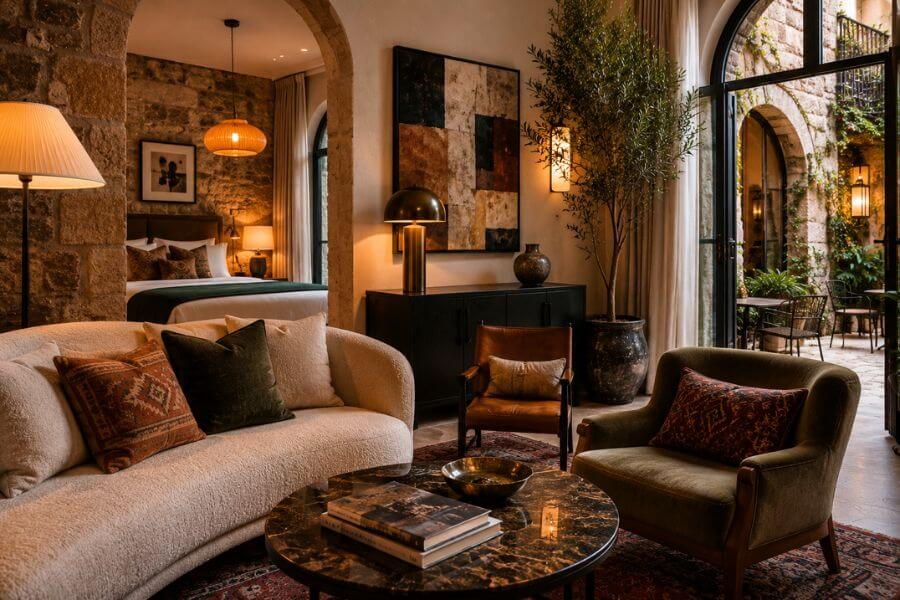
You step through the front doors and instantly realize you are not in a typical lobby. The air smells like fresh cedar wood and rich coffee beans. Soft music plays from a vintage vinyl record player in the corner. A local artist painted the massive colorful mural on the wall behind the front desk. The person greeting you does not read from a strict corporate script; they welcome you like an old friend coming home. This is the magic of a boutique hotel, a special style of lodging that rejects the boring, predictable formulas of massive corporate chains to give you something truly memorable.
The Core Essence of a Boutique Hotel
To truly understand this style of hospitality, you have to look past the flashy marketing terms. The word boutique originally comes from a French word for a small shop that sells unique items. When applied to lodging, it means a property that focuses on micro-experiences rather than mass-market appeal. It is the difference between buying a jacket that was mass-produced by the millions or having a local tailor craft a coat just for your shape.
Size and Scale
The first thing you notice about a true boutique property is its physical size. You will not find thousand-room towers that require a map just to find the elevator banks. These spaces are intentionally small. Most hospitality experts agree that a boutique property caps its room count at around one-hundred spaces, though many of the best properties have fewer than twenty-five keys.
This small size is a deliberate choice, not an accident. When a building has fewer rooms, the team running it can focus their energy on making every square foot count. The hallways are shorter, the common areas are more cozy, and the entire layout feels like a beautiful private estate rather than a busy transit hub. You do not have to fight through waves of conference crowds just to grab a seat by the window.
Personality Over Patterns
Large hotel chains love consistency because it offers predictability. When you check into a standard corporate room in London, Tokyo, or Chicago, you know exactly what the bed, the carpet, and the desk will look like. It is safe, but it is also completely devoid of life. Boutique properties choose the exact opposite path. They believe that travel should be full of wonder, surprise, and distinct character.
In a boutique hotel, personality guides every choice. The owners might design the entire space around a specific theme, such as a historic era, a literary movement, or a minimalist natural style. One room might feature bright velvet chairs and retro lighting, while the room right next door highlights dark wood panels and industrial steel fixtures. This means that your room becomes an essential part of your vacation story, not just a place to drop your bags at night.
Local Roots
A true boutique space cannot be picked up and moved to a different city without losing its soul. It is deeply connected to the ground it sits on. The property often breathes new life into a historic local building, like an old shoe factory, a grand historic home, or a forgotten printing press.
The hotel acts as a bridge between you and the neighborhood. Instead of shielding you from the local culture behind sound-proof glass walls, it invites the city inside. The coffee in your room comes from the roaster down the street. The soap in your shower is crafted by a neighborhood maker. Even the staff members are usually locals who can tell you about the best hidden parks, secret taco stands, and quiet art galleries that do not appear in mainstream travel guidebooks.
The History of the Boutique Movement
While humans have stayed in small inns for thousands of years, the modern boutique hotel movement officially began in the late twentieth century. To understand why these spaces are so popular today, it helps to look back at how they changed the travel world.
The Early Pioneers
In the late nineteen-seventies and early nineteen-eighties, a few creative minds grew incredibly tired of the corporate hotel mold. They noticed that hotels had become nothing more than industrial sleeping boxes. Two major hubs saw the birth of the alternative scene: London and San Francisco.
In London, creative minds started turning historic townhouses into highly styled spaces that felt like private clubs for artists and actors. Meanwhile, in San Francisco, an entrepreneur named Bill Kimpton began converting older, character-filled urban buildings into European-style accommodations. He added complimentary wine hours in the evening so guests could actually talk to one another, creating a community vibe that big brands completely lacked. Shortly after, iconic designers in New York City turned old properties into sleek, high-design social clubs, proving that a hotel lobby could be the coolest place in town.
The Shift from Mass to Micro
As the nineteen-nineties and two-thousands arrived, the global traveler changed. People started valuing unique memories over standard luxury symbols. Wealth was no longer just about shiny gold faucets and giant crystal chandeliers; it was about authenticity and storytelling.
This shift forced the entire travel market to evolve. Travelers started asking deep questions about where their money was going and what kind of adventures they were having. They wanted to return home with stories about a hidden courtyard garden they found in a twelve-room hotel, not a story about waiting in a thirty-minute line at a massive resort front desk. The boutique movement exploded because it gave people a sense of place in an increasingly copy-paste world.
The Definitive Checklist for True Curated Hospitality
How do you separate a real boutique hotel from a massive corporate property that simply paints its walls a trendy color and uses the boutique label for marketing? You use a strict checklist. A true boutique property must check all of these vital boxes.
Guest Count and Scale
- Total room count sits comfortably below one-hundred rooms to preserve intimacy.
- The physical space allows you to navigate from your room to the front exit within a minute or two.
- Common areas feel like a welcoming living room rather than an echo-filled airport terminal.
- Elevators and hallways remain quiet, private, and free from overwhelming foot traffic.
One-of-a-Kind Design Aesthetic
- Architecture respects and highlights the original bones of the building.
- Furniture is custom-made, antique, or sourced from independent creators rather than bought in bulk from hotel supply catalogs.
- The art on the walls features real paintings, photographs, and sculptures created by regional artists.
- Lighting design uses warm, layered sources to create a moody, comfortable atmosphere instead of harsh fluorescent bulbs.
- Bathrooms feel like custom home spas with unique tile work, specialized fixtures, and distinct layouts.
Hyper-Local Flavor and Connection
- The property sources its food ingredients, coffee beans, and tea leaves from farmers and providers within the immediate region.
- In-room mini-bars feature local snacks, craft sodas, and neighborhood treats instead of standard corporate chip brands.
- The hotel team creates custom neighborhood maps and guides written from their own personal experiences.
- Public spaces host events that bring neighbors inside, such as local book readings, acoustic music sets, or community art shows.
Highly Personalized Service
- Team members recognize your face and use your name during interactions without looking at a computer screen.
- The staff notes your personal preferences, like your choice of pillows, your favorite morning beverage, or your food allergies, and adjusts your room before you arrive.
- Checking in and checking out feels like a relaxed conversation rather than a cold data-entry process.
- The team has the freedom to solve problems creatively without checking a rigid corporate rule book first.
Standout Food and Drink Concepts
- The on-site restaurant features a limited, highly focused menu that changes with the seasons.
- The bar focuses on craft techniques, fresh juices, and unique drink stories rather than mass-market drink recipes.
- Room service options feel thoughtful, fresh, and hand-delivered, avoiding the sad, cold cart experience of big resorts.
- Breakfast focuses on made-to-order dishes that highlight regional breakfast traditions.
Curated Sensory Experiences
- The hotel features a distinct signature scent created through natural essential oils diffused gently through the air.
- Playlists are custom-built for different times of the day to guide the mood from an energetic morning to a calm, restful evening.
- Textiles, from the heavy linen curtains to the soft velvet couches, are chosen for their touch and comfort.
- Noise control is managed through smart design, thick rugs, and quality construction so you hear peace, not plumbing.
Independence or True Creative Freedom
- The hotel is owned by an individual, a family, or a small collective with a clear, singular vision.
- If the property belongs to a small curated group, it retains complete design and operational freedom from the sister locations.
- The brand identity values quirky, memorable choices over safe, crowd-pleasing decisions.
Boutique Hotels vs. Big Chain Hotels
To see exactly how these two worlds compare, it helps to look at them side-by-side across different parts of your stay. The choices made by these properties create completely different worlds for a traveler.
The Atmosphere and Vibe
When you walk into a big chain hotel, you immediately hear the hum of mass organization. Luggage carts rattle across marble floors, digital screens flash advertisements, and lines form behind ropes. The energy is focused on moving large groups of people as fast as possible.
A boutique hotel greets you with stillness and focus. The design elements invite you to slow down, look around, and stay a while. The lobby is not a transit zone; it is a space designed for reading a book, sipping a hot tea, or chatting quietly with a travel partner. The vibe feels residential, mimicking the home of an elegant friend who happens to have impeccable taste.
The Staff and Guest Relationship
In a massive corporate hotel, the staff is often trapped behind giant computer screens and strict corporate rules. They have to process hundreds of arrivals every single afternoon, which means their interactions with you are timed, tracked, and scripted. You are a room number on a screen, and their goal is to get your credit card swiped and hand you a plastic key card as fast as they can.
Boutique hotel workers operate like hosts of a dinner party. Because they do not have to manage a never-ending line of guests, they have the time to look you in the eye and listen to your travel stories. If you want to know where to find the absolute best sourdough bread in the neighborhood, they will not just hand you a pre-printed tourist brochure. They will mark their favorite bakery on a paper map and tell you exactly which pastry to order.
The Financial and Economic Design
Big hotels make their money through volume. They build hundreds of identical rooms so they can buy thousands of identical sheets, televisions, and light bulbs at the absolute lowest cost. They court giant business conventions, wedding parties, and tour buses to fill their massive spaces.
Boutique hotels rely on value and uniqueness. They know they cannot compete on raw volume, so they invest heavily in the quality of the experience. They spend their budget on high-thread-count sheets, hand-made pottery, and top-tier staff training. They would rather have fifty guests who absolutely love the distinct character of the space than five-hundred guests who simply think the room is fine.
Detailed Comparison Table
| Feature Matrix | The Boutique Hotel Experience | The Big Chain Hotel Experience |
| Physical Layout | Low-rise, historic, or highly customized architecture. | Massive multi-story towers with repetitive floor plans. |
| Design Strategy | Eclectic, artistic, unique room variations. | Standardized, predictable, uniform look. |
| Public Area Vibe | Quiet lounge spaces, neighborhood feel. | High-traffic lobbies, retail shops, noisy bars. |
| Room Amenities | Local snacks, artisan soaps, vintage tech. | Global brand snacks, mass-produced toiletries. |
| Target Audience | Independent travelers, creators, explorers. | Business travelers, tour groups, event goers. |
| Event Spaces | Small meeting rooms, intimate rooftops. | Giant ballrooms, massive exhibition centers. |
| Speed of Service | Calm, deliberate, conversational pace. | Rapid, automated, high-volume tracking. |
Types of Boutique Hotels You Will Encounter
Not all boutique properties look or feel the same. The movement has grown to include several distinct archetypes, each offering a different flavor of curated hospitality.
The Historic Redesign
This is perhaps the most beloved style of boutique property. Developers find a building with deep historical roots and spend years carefully restoring it. The goal is to keep the history alive while adding all the modern comforts you need for a restful night.
In these spaces, you might sleep in a room that still features the original brick walls from a nineteen-twenties warehouse. The lobby might showcase the grand vaulted ceilings of an old bank, complete with the original steel vault turned into a moody lounge bar. These properties are perfect for history lovers who want their accommodation to feel like a living museum.
The Urban Hidden Gem
Found in the middle of major world cities, these hotels focus on creating a quiet sanctuary away from the chaotic city streets. They are often tucked away down quiet residential alleyways or hidden above modest entrances that most people walk right past.
Once you step inside, the city noise disappears. These properties often feature hidden courtyard gardens, quiet reading libraries, and secret rooftop decks that offer sweeping views of the city skyline. They rely heavily on word-of-mouth recommendations rather than giant neon signs to attract travelers who want to feel like urban insiders.
The Nature-Focused Sanctuary
Boutique hospitality is not restricted to big cities. You can find incredible small-scale properties tucked into deep forests, perched on coastal cliffs, or hidden in sweeping desert landscapes.
These properties use design to frame the natural world outside. You will find massive floor-to-ceiling windows, natural construction materials like rough stone and local timber, and outdoor living spaces that blur the line between inside and out. With a tiny guest count, these sanctuaries ensure that your connection with nature is never broken by loud crowds or busy tour groups.
Summary Table of Hotel Types
| Boutique Archetype | Typical Location | Key Design Feature | Best For |
| Historic Redesign | Old city centers, historic zones. | Restored brick, original timber, antique details. | History buffs and vintage lovers. |
| Urban Hidden Gem | Trendy city neighborhoods. | Secret entries, quiet courtyards, rooftop spots. | City explorers and solo travelers. |
| Nature Sanctuary | Forests, mountains, coastlines. | Natural materials, huge windows, outdoor decks. | People looking for peace and quiet. |
Why Travelers are Choosing Boutique Options Now
The travel landscape has shifted dramatically over the past few years. More than ever, people are choosing small, curated hotels over large, predictable options. There are several clear reasons for this modern shift.
The Search for Real Stories
Modern travelers do not just want to check destinations off a bucket list. They want to collect real, meaningful stories. When you stay at a standard mega-resort, your experience is isolated from the destination. You could be anywhere in the world, and that feels like a wasted opportunity.
A boutique hotel ensures that your accommodation contributes directly to your collection of memories. You remember the specific smell of the lobby, the exact view from your uniquely shaped window, and the playlist that was spinning when you had your morning coffee. Your stay becomes a highlight of your trip, not just a line item on your travel budget.
The Power of Visuals and Design
We live in a highly visual world. People appreciate good design, balanced colors, and thoughtful layouts more than ever before. Boutique hotels understand this deeply. They hire brilliant independent interior designers who know how to mix textures, choose incredible color palettes, and place furniture in ways that feel inspiring.
Every corner of a well-designed boutique space feels like a piece of art. From the vintage typography on your room key to the specific ceramic mugs used at breakfast, these properties satisfy our human desire for beauty and balance. Staying in a space like this can spark your own creativity and change how you think about design back in your own home.
Changing Ideas of Luxury
For a long time, luxury meant formal pretense. It meant marble floors, white-glove service, and stiff rules that made you feel like you had to dress up just to walk through the lobby. Today, that style of luxury feels old, stuffy, and out of touch.
Modern luxury is about comfort, ease, authenticity, and time. It is about a staff member noticing you look tired and bringing a hot cup of chamomile tea to your room without you asking. It is about having access to a beautiful, uncrowded space where you can truly unplug. Boutique hotels excel at this new style of relaxed, heart-centered luxury.
How to Spot a Fake Boutique Hotel
Because the boutique label has become incredibly popular, many giant hotel corporations are trying to mimic the style. They build massive properties with hundreds of rooms, fill them with trendy colorful furniture, and label them boutique. You need to know how to spot these imitations so you do not end up disappointed.
The Illusion of Independence
Many major corporate brands have created sub-brands that look like boutique hotels on the surface. They have cool names, artsy logos, and trendy lobbies. However, if you look closely at the fine print on their website or your booking confirmation, you will find they are owned by the same massive global corporations that own the standard roadside motels.
While some of these corporate-backed spaces are designed beautifully, they often lack the true freedom of a real independent boutique property. Their financial systems, security rules, and service scripts are still run by a far-away corporate headquarters. The staff must follow strict manuals, which means that the creative, spontaneous spark of true hospitality is missing.
The Cookie-Cutter Script
The easiest way to spot a fake boutique space is to look for repetition. If you visit a brand’s location in Miami and then visit their location in Boston, do the rooms look exactly the same? Is the artwork identical? Do the staff members recite the exact same greeting when you arrive at the front desk?
If the answer is yes, you are staying in a mass-produced property wearing a boutique mask. True boutique hospitality cannot be cloned across multiple cities like a fast-food franchise. It requires a fresh, custom approach for every single building and neighborhood.
Behind the Scenes: How These Hotels Operate
The smooth, magical feel of a boutique hotel does not happen by accident. It requires an incredible amount of behind-the-scenes work, creative planning, and careful daily execution.
Staff Training Secret Methods
In a standard hotel chain, staff training revolves around a thick manual of rules. Workers learn exactly how many seconds they should take to check in a guest, what specific phrases to use, and how to upsell rooms for more money. It is a system built for speed, control, and standardization.
Boutique hotels train their teams more like high-end restaurant hosts or gallery curators. They teach their staff to read human body language, notice tiny details, and react with genuine human empathy. If a team member notices you are carrying a book by a specific author, they might leave a bookmark on your nightstand. If they see you are traveling with a young child, they might send up a small plate of fresh cookies and milk without a single word from you. This level of care requires hiring people who have natural warmth and giving them the professional freedom to use it.
Sourcing Local Pieces
Managing the supply chain for a boutique hotel is a massive logistical puzzle. A large corporate hotel simply orders ten-thousand identical white plates from a global supplier. A boutique hotel might hire a local potter living three blocks away to hand-make one-hundred custom coffee mugs for their guests.
This means the hotel management team spends a massive amount of time out in the community. They visit weekend farmers markets, tour local art studios, and collaborate with regional clothing makers for their staff uniforms. This constant sourcing work keeps the hotel deeply integrated with the local community, ensuring that your travel dollars directly support the neighborhood economy.
Frequently Asked Questions
What is the difference between a boutique hotel and a bed and breakfast?
While both options focus on small scales and personal touches, they have different styles and service levels. A bed and breakfast is usually a tiny property, often with fewer than ten rooms, run directly by a homeowner who lives on the property. The vibe is highly residential, amenities are simple, and you usually share a common dining table for morning meals. A boutique hotel offers a higher level of professional service, advanced design, and more privacy. It typically features professional staff around the clock, an on-site restaurant or bar, and design elements that match world-class design standards.
Are boutique hotels more expensive than standard chain hotels?
Not necessarily. Because boutique hotels come in many styles, you can find options across almost every price range. You can find budget-friendly boutique properties that focus on simple, clever design and basic rooms at very affordable prices. On the higher end, luxury boutique spaces can carry premium prices due to their rare layouts, high-quality textiles, and high staff-to-guest ratios. When you look at the overall value, boutique hotels often give you much more for your money through high-end complimentary amenities, personalized care, and a superior location.
Do boutique hotels have loyalty programs like big chains?
Many independent boutique hotels choose not to run massive point-based loyalty programs because they prefer to focus on immediate value during your stay. However, the market has evolved to support independent properties. Many boutique hotels have joined curated networks and global collectives. These associations allow independent properties to offer shared travel perks, room upgrades, and special booking rates to frequent travelers without forcing individual hotels to give up their unique identity or design independence.
Can families with children stay at boutique hotels?
Yes, many boutique properties are incredibly welcoming to families. However, because every boutique space is unique, it is always smart to check the specific vibe of the hotel before booking your stay. Some properties are designed specifically as quiet, romantic retreats for couples or solo writers, featuring adult-focused environments. Other boutique spaces are built with families in mind, offering large multi-bedroom suites, fun local toys, custom kids menus, and family-focused neighborhood guides.
Why do boutique hotels focus so much on common spaces?
Boutique hotels view their lobbies and lounges as the beating heart of the property. They reject the old idea that a lobby is just a boring waiting room. Instead, they design these spaces to act as vibrant social hubs where guests and neighborhood locals can mix naturally. By creating cozy seating areas, beautiful bars, and art-filled spaces, they encourage you to step out of your private room and experience the community energy of the destination.
How do boutique hotels handle modern technology?
True boutique hotels use technology to make your stay smoother, not colder. Instead of using technology to replace human contact, like giant automated check-in screens that feel like grocery store checkouts, they use technology behind the scenes. They might use text-based messaging systems so you can order extra pillows from the beach, smart lighting systems that adjust to your personal body clock, or top-tier sound systems that let you play your own music easily in your room. The goal is always to keep the technology hidden and seamless so the human warmth stays front and center.