Key Takeaways
Planning a trip across the world can feel like a massive puzzle, but getting a few main points down early makes everything simple. Here is what you need to know before your family adventure begins.
| Topic | Quick Advice | Why It Matters |
| Travel Pace | Slow down and pick two regions maximum | Australia is huge and fast travel tires kids out quickly |
| Best Season | Sun and surf in December, outback in June | The seasons are opposite to the northern hemisphere |
| Getting Around | Rent a large campervan or use internal flights | Driving gives you freedom but distances are long |
| Wildlife Safety | Stick to marked paths and listen to local rangers | Most animals are safe if you give them space |
Australia is a massive land filled with hopping kangaroos, giant red rocks, bright blue oceans, and ancient forests that look like they belong in a dinosaur movie. If you are thinking about bringing your children to this beautiful corner of the world, you are making a wonderful choice. This country is one of the safest, friendliest, and most exciting places to explore with kids of any age. From the moment your airplane wheels touch the tarmac, you will find a place that welcomes families with open arms, free outdoor spaces, and experiences that your children will talk about for years to come. Let us dive straight into how you can plan the perfect family holiday to the land down under.
Choosing the Best Time of Year to Visit
The first thing to understand about Australia is that the seasons are upside down compared to Europe or North America. When it is freezing cold winter in London or New York, it is middle of summer in Sydney and Melbourne. This means you need to pack your bags according to where you are going and when you plan to step on the plane.
Because the country is so gigantic, it has several different weather zones happening all at the exact same time. The top part of the country is tropical, meaning it stays warm all year but has a very wet season. The bottom part of the country has four distinct seasons, just like England or parts of Europe.
The Warm Summer Months
December through to February is peak summer in Australia. This is the time when local school children are on their long summer holidays, so the beaches are bustling, the coastal towns are alive, and the energy is fantastic.
If your kids love building sandcastles, swimming in calm rock pools, and eating ice cream under a shade umbrella, this is a beautiful time to visit the southern beaches.
However, you must be ready for the heat. Temperatures in places like Melbourne or Adelaide can jump high quite quickly. You will need to become best friends with sun screen, wide-brimmed hats, and large water bottles.
Summer is also the wet season in the far north. If you want to see the tropical rainforests or the northern reefs, summer brings heavy rain and very humid days, which can make toddlers a bit grumpy.
The Cool and Crisp Winter
June through to August brings winter to the southern hemisphere. Do not worry, Australian winter in most places is nothing like a dark, snowy European winter.
In cities like Sydney and Brisbane, winter days are often filled with bright blue skies and crisp, cool air that is perfect for walking around without melting.
This is the absolute best time of year to take your family into the red desert centre to see the famous giant rock called Uluṟu. During the summer, the desert is far too hot for children to walk safely, but winter brings gorgeous, mild days that make exploring the red sand feel like an epic space mission.
Winter is also the dry season in the north, making it the perfect time to swim in the tropical waters of Queensland without worrying about the tropical rain.
The Gentle Shoulder Seasons
Autumn, which runs from March to May, and Spring, which runs from September to November, are often called the shoulder seasons. Many travel experts believe these are the sweetest times to bring a family to Australia.
The weather is stable, the fierce heat of summer has either gone or has not arrived yet, and the crowds are much smaller.
Spring brings beautiful wild flowers to the fields of Western Australia and lovely warm days to Sydney.
Autumn turns the trees in places like Adelaide and Melbourne into bright oranges and reds, which is lovely for family photos in the public parks.
Travelling during these months often means shorter lines at theme parks and a more relaxed pace at the airports.
Mapping Your Route and Avoiding Travel Burnout
It is incredibly easy to look at a map of Australia and think you can drive from Sydney to Perth in a weekend. In reality, Australia is almost the same size as the United States of America.
If you try to see the whole country in two weeks with kids in tow, you will spend your entire holiday strapped into car seats or sitting in airport lounges.
The secret to a successful Australian family holiday is to choose one or two areas and explore them deeply.
The Classic East Coast Route
For first-time visitors with children, the stretch of land between Sydney and Cairns is the most popular choice. This route combines big city sights, coastal beach towns, and the tropical rainforests where the Great Barrier Reef sits.
You can break this trip up into smaller segments. You might spend five days exploring the parks and harbours of Sydney, take a short flight up to the Sunshine Coast for some beach relaxation, and finish with a week in tropical north Queensland looking for sea turtles.
This keeps travel times down to a few hours at a time, which is much better for little legs and short attention spans.
The Red Centre and Beyond
If your kids are slightly older and love rugged adventures, combining the southern coast with the red desert is an unforgettable option.
You can fly into Melbourne to experience the city life and see the fairy penguins on Phillip Island, then take a direct flight into the heart of the desert at Uluṟu.
Spending three days walking around the base of the massive red rock and sleeping under millions of desert stars feels like visiting another planet.
From there, you can fly north to Darwin to explore the massive waterfalls and rock pools of Kakadu, creating a trip that is packed with nature and ancient culture.
Top Family-Friendly Cities and Regions
Every state in Australia has something unique for families. Let us break down the best spots across the country so you can decide which ones match your family style perfectly.
Sydney and New South Wales
Sydney is a sparkling city wrapped around a giant blue harbour. It is fantastic for kids because you can mix city sights with beach fun in the exact same day.
The city ferries are like cheap amusement park rides for children. You can hop on a yellow and green ferry at Circular Quay and cruise past the famous Sydney Opera House all the way to Manly Beach.
Sydney is also home to Taronga Zoo, which sits right on the water. Children can look at koalas and giraffes while the city skyline sits in the background.
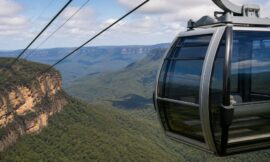
Just a two-hour drive west of the city lie the Blue Mountains, where you can ride the steepest passenger railway in the world down into an ancient valley filled with giant eucalyptus trees.
Melbourne and Victoria
Melbourne is the culture capital of Australia, filled with hidden street art lanes, tram tracks, and beautiful museums.
The best part about Melbourne for families is that the city centre trams are completely free to ride. Kids love the clinking sounds of the old-fashioned trams as you glide through the streets.
A short drive out of the city brings you to the Great Ocean Road, one of the most famous coastal drives in the world, where giant limestone stacks rise out of the wild ocean.
Even closer is Phillip Island, where every single evening, hundreds of tiny fairy penguins waddle out of the ocean and across the beach to their sand dune homes. Watching these little birds from the special viewing platforms is a magical experience that children never forget.
Brisbane and Queensland
Queensland is known as the sunshine state, and it is the ultimate playground for active families.
In the south, you have the Gold Coast, which is famous for its long sandy beaches and massive theme parks filled with roller coasters and movie characters.
Further north sits Brisbane, a warm city with a man-made beach built right in the middle of the city parklands, allowing kids to swim safely for free while parents relax under palm trees.
At the very top of the state is Cairns, the gateway to the Great Barrier Reef and the Daintree Rainforest. Here, children can snorkel with colourful fish, ride a sky rail cable car above the jungle canopy, and learn about indigenous culture from the traditional owners of the land.
Adelaide and South Australia
Adelaide is often overlooked, but it is one of the most relaxed and budget-friendly cities for families. It is surrounded by green parklands and has a lovely historic tram that takes you straight to Glenelg, a calm beach suburb with an outdoor playground and sweet shops.
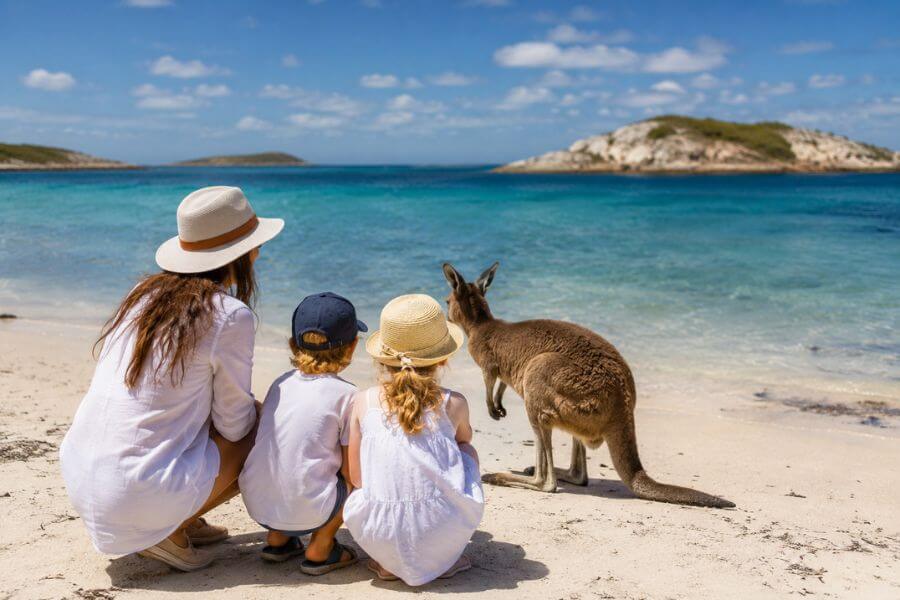
A short ferry ride from Adelaide takes you to Kangaroo Island, which is like a zoo without any fences.
The island is packed with wild kangaroos, sleepy koalas resting in eucalyptus branches, and sea lions sunbathing on the white sand. It is an amazing place for children to see Australian wildlife living completely free in their natural habitat.
Perth and Western Australia
Western Australia is huge, remote, and breathtakingly beautiful. Perth is the sunniest capital city in the country and features Kings Park, which is one of the largest inner-city parks in the entire world, complete with treetop walkways and adventure playgrounds.
Just off the coast of Perth sits Rottnest Island, a car-free paradise where you can rent bicycles and hunt for the quokka. The quokka is a tiny marsupial that looks like it is always smiling, and they are incredibly friendly to visitors.
Further south is the Margaret River region, where giant forests meet calm white bays perfect for toddler swimming.
Essential Packing List for Australian Travel
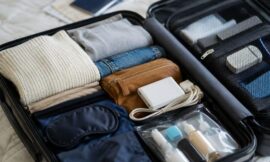
Packing for a trip to Australia requires a bit of clever thinking. The sun is very strong, the weather can change quickly, and you want to keep your bags light enough to handle while chasing children through busy transport hubs.
Sun Protection Gear
The Australian sun can burn skin much faster than the sun in Europe or America due to the clean air and thin ozone layer. Protecting your children from the sun is the most important thing to pack for.
- Wide-brimmed hats that shade the face, ears, and back of the neck.
- Swim shirts with long sleeves, often called rash vests or rashies by locals.
- High-quality sunglasses with proper UV protection for little eyes.
- Roll-on sun screen, which is much easier to apply to wriggling toddlers on the beach.
Clothing Layers
Even in the summer, evenings can turn cool, especially if you are near the ocean or out in the desert.
Pack light cotton clothing for the daytime, but always ensure you have a few warm hoodies, long track pants, and a light wind-proof jacket for each child.
Comfortable, sturdy walking shoes are a must. Your children will be doing a lot of walking through national parks, museum floors, and sandy tracks, so leave the flimsy shoes for home and pack supportive sneakers.
Wildlife Encounters: Safety and Fun
One of the biggest reasons children want to visit Australia is to see the amazing animals. However, many parents worry about the dangerous creatures Australia is famous for.
The good news is that wild animal accidents are very rare, and by following a few basic rules, your family will stay completely safe.
Seeing Animals Safely in the Wild
When you are out walking in national parks, you are very likely to see wild kangaroos, wallabies, and colourful birds like cockatoos and rainbow lorikeets.
Teach your children to admire these animals from a distance. Wild kangaroos can look soft and cuddly, but they are strong animals that can get scared if a child runs towards them for a hug.
Never feed wild animals human food like bread or biscuits, as it makes them sick and teaches them to bite humans to get food.
The Truth About Snakes and Spiders
Yes, Australia has venomous snakes and spiders, but you are highly unlikely to see them in the cities or on tourist paths.
Snakes are very shy creatures that want nothing to do with noisy human families. They will hear your children stomping along a path long before you see them and will quickly slither away into the bush.
To stay safe, always make sure your kids stay on the clearly marked walking tracks. Never let them stick their hands into dark hollow logs or gaps between rocks where spiders might be hiding. If you wear closed shoes while walking in the bush, you eliminate almost all risk.
Safe Swimming and Marine Life
Australia has some of the most beautiful ocean water in the world, but the sea can be powerful.
The golden rule of swimming in Australia is to always swim between the red and yellow flags on surf beaches. These flags are placed by professional lifesavers who watch the water for dangerous currents called rips. If you stick between the flags, your family is in safe hands.
In the tropical north of the country, there are certain times of the year when dangerous marine stingers swim near the coast. Look for the warning signs on the beaches. Many northern beaches have special stinger-proof enclosures that allow children to swim safely in the water without any worries.
Family Transportation Options Down Under
Getting from point A to point B in Australia can be an adventure in itself. You have several great options depending on your budget and how much freedom you want.
The Ultimate Campervan Road Trip
Renting a campervan or motorhome is one of the most popular ways for families to see Australia. It combines your transport and your hotel into one rolling home, which kids absolutely love.
Australia is perfectly set up for campervans, with thousands of holiday parks scattered across the country.
These holiday parks are like mini resorts for families. They usually feature giant camp kitchens, clean bathroom blocks, adventure playgrounds, swimming pools, and sometimes even giant bouncing pillows or outdoor movie screens.
Driving a campervan means you do not have to pack and unpack suitcases every time you visit a new spot, and you can pull over to make a snack for hungry toddlers whenever you need to.
Internal Flights for Quick Travel
If you want to visit Sydney, the desert, and the reef all in a two-week window, flying is the only sensible choice.
Australia has several local airlines that connect major cities and tourist towns daily.
Flying saves days of driving time, leaving your children with more energy to explore the destinations.
Be sure to book your domestic flights well in advance, as planes can fill up quickly during the school holiday periods, driving prices up.
Public Transport in Major Cities
Australian cities boast excellent public transport networks that are clean, safe, and easy to navigate with strollers.
Sydney has trains, buses, and ferries. Melbourne has its famous network of trams. Brisbane has speedy river ferries called CityCats.
Most cities use a simple tap-on card system for payment, which you can load with money using your phone or purchase at local convenience stores. Children usually ride for half price, and toddlers often ride completely free.
Managing the Long Flight with Young Children
For most families, the hardest part of an Australian holiday is the massive flight required to get there. It is a long time to keep children contained, but with the right strategy, you can survive the journey with your sanity intact.
Choosing the Right Flight Times
When booking your long flights, try to look for options that depart in the late afternoon or evening.
This allows your children to do their normal daytime activities, burn off some energy at the airport play areas, and board the plane ready for a long sleep.
If your budget allows, breaking up the long journey with a two-night stopover in a city like Singapore, Hong Kong, or Dubai can work wonders. It gives everyone a chance to sleep in a real bed, take a warm shower, and adjust to the time zones gradually.
In-Flight Entertainment and Comfort
Do not be afraid to relax your screen-time rules during a long flight. Pack tablet devices loaded with your child’s favourite movies, games, and audiobooks, and make sure you bring child-sized headphones that fit their ears comfortably.
Pack a surprise bag of small, cheap toys that you can hand out every few hours when boredom strikes. Things like coloring books, sticker sets, and small puzzles work beautifully.
Make sure your children wear their absolute comfiest pajamas on the plane, and pack an extra change of clothes for both the kids and yourself in your carry-on bag just in case of spills.
Kid-Friendly Dining and Managing Fussy Eaters
Feeding your family in Australia is a breeze. The food scene is incredibly fresh, diverse, and geared towards families. You will find familiar foods everywhere, along with some fun local treats to try.
The Cafe Culture and Surf Clubs
Australia has a world-famous cafe culture. Breakfast and lunch are major meals here, and almost every cafe welcomes children with high chairs, kids menus, and babycinos. A babycino is a small cup filled with warm frothed milk, topped with a dusting of cocoa powder and a marshmallow, making kids feel like grown-ups drinking coffee.
For dinner, the best trick for families is to visit local Surf Life Saving Clubs or RSL clubs. These are community hubs located right on the beachfront or in town centres. They have large dining rooms that serve hearty, affordable meals like fish and chips, burgers, and pasta. They are loud, lively places where nobody will glare at you if your toddler drops a chip on the carpet.
Free Public Barbecues
One of the greatest things about Australia is the thousands of free electric barbecues located in public parks and beachfronts. They are spotlessly clean, completely free to use, and maintained by local councils.
You can walk to a local supermarket, buy some sausages, bread, and salad, and cook a wonderful dinner while your kids play on the nearby playground equipment. It is a fantastic way to save money and enjoy the beautiful evening weather just like the local families do.
| Meal Option | Best For | Average Vibe |
| Local Cafes | Breakfast, lunch, and morning treats | Relaxed, outdoor seating, kid-friendly |
| Surf Clubs | Beachfront dinners with great views | Lively, loud, affordable, large portions |
| Public Park BBQs | Low-budget dinners while kids play | Casual, outdoors, great for sunset |
| Supermarkets | Snack shopping and picnic supplies | Convenient, familiar brands available |
Budgeting for Your Australian Family Holiday
There is no hiding the fact that Australia can be an expensive place to travel. Accommodation, dining out, and entry fees to major theme parks can add up quickly. However, with some smart planning, you can experience a brilliant holiday without breaking the bank.
Embracing Free Outdoor Activities
The best things in Australia do not cost a single cent. The stunning beaches, coastal walks, giant botanic gardens, and national parks are all free to enter.
Instead of spending huge amounts of money on ticketed attractions every day, balance your trip by spending one day at a theme park or zoo, and the next day exploring a free rock pool, walking through a rainforest track, or playing at one of the country’s world-class adventure playgrounds.
Saving Money on Accommodation
Accommodation will likely be your biggest expense. To keep costs down, look for cabins in holiday parks or apartments with kitchen facilities.
Being able to cook your own breakfast and pack picnic lunches for the day will save you hundreds of dollars compared to eating out three times a day in restaurants.
Look for accommodation that sits slightly outside the city centres but close to a train or tram line, as this can cut your lodging costs significantly while keeping transport easy.
Frequently Asked Questions
Is Australia safe for young children?
Yes, Australia is an exceptionally safe country for families. The crime rates are very low, the tap water is perfectly safe and clean to drink everywhere, and the medical system is world-class. If your child gets sick during the trip, you can easily find excellent doctors and hospitals. The main safety hazards relate to nature, such as strong sun and powerful ocean waves, which can be easily managed by using sun screen and swimming between the lifesaver flags on the beach.
Do I need to bring my own car seat for the kids?
By law, all children travelling in cars in Australia must use an approved child restraint appropriate for their size and age. If you are renting a car or campervan, it is highly recommended to hire the car seats directly from the rental company along with the vehicle. This ensures the seat meets strict Australian safety standards and fits perfectly into the specific car model. International car seats are sometimes not legally compliant with Australian laws, so hiring locally is the safest and easiest option.
How do we handle the massive time zone difference?
Jet lag can be tricky with little ones, but the best way to fight it is to get outside into the natural sunlight as soon as you arrive. Sunlight helps reset your body’s internal clock. Try to keep your children awake until a normal local bedtime on your first day, even if they are tired. If they need a nap, keep it short and under two hours. Within three to four days, most children adapt beautifully to the new time zone, often faster than their parents do.
What should we do if a child gets bitten by an insect?
Most insect bites in Australia are just itchy mosquitoes or small ants, which can be treated with a soothing cream from a local pharmacy. If your child is bitten by a spider, stay calm, wash the area with water, and seek advice from a local doctor or pharmacist. In the extremely rare event that you suspect a dangerous bite, dial zero-three times on any phone. Triple zero is the emergency number in Australia that connects you to ambulances and medical help instantly.
Can we easily find baby supplies like nappies and formula?
You do not need to pack months of baby supplies in your suitcases. Australian supermarkets carry all the leading international brands of nappies, wet wipes, baby foods, and formulas. You will find major supermarkets in every town across the country, open late seven days a week. If your child requires a specific medical formula, it is wise to bring enough for the journey along with a letter from your doctor, but standard supplies are readily available everywhere.