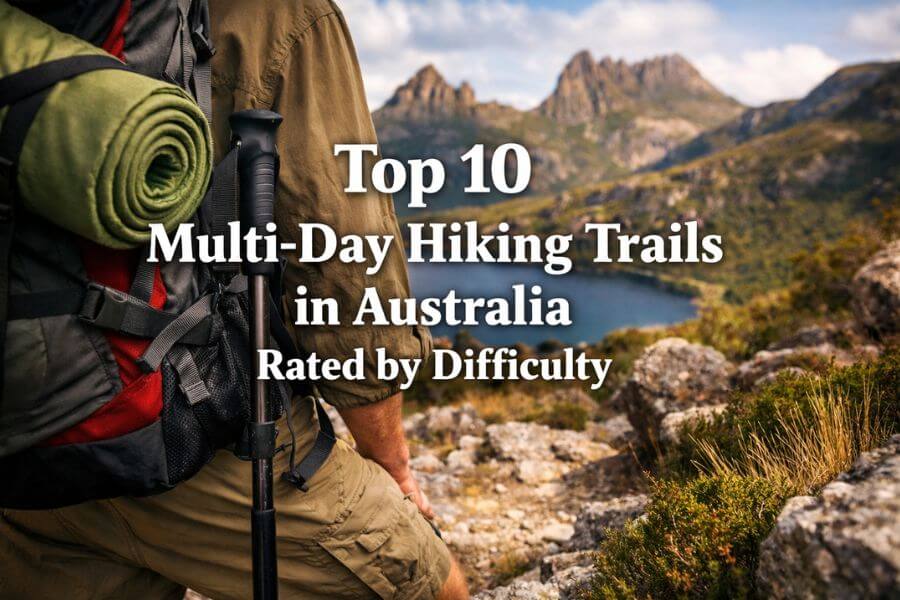
Australia is one of the best places in the world for multi-day hiking. From coastal cliffs to alpine mountains and remote deserts, you can find trails for every level of experience. If you are planning your next adventure, knowing the difficulty level of each trail can help you choose the right one for your fitness and skills. In this guide, you will discover the top 10 multi-day hiking trails in Australia, carefully rated by difficulty. Whether you are a beginner looking for a gentle introduction or an experienced hiker chasing a challenge, this list will help you plan a safe and rewarding journey.
1. Great Ocean Walk (Easy to Moderate)
The Great Ocean Walk in Victoria is one of the most scenic coastal hikes in Australia. Stretching about 100 kilometers, this trail takes you along dramatic cliffs, quiet beaches, and lush forests. You will enjoy views of famous landmarks like the Twelve Apostles while walking at your own pace. The track is well-maintained and clearly marked, making it a great choice if you are new to multi-day hiking. Campsites and basic facilities are available along the route, so you can focus more on the experience and less on logistics.
2. Larapinta Trail (Moderate)
The Larapinta Trail in the Northern Territory offers a unique outback hiking experience. Covering over 220 kilometers, this trail runs through the West MacDonnell Ranges near Alice Springs. You will walk across rocky ridges, dry riverbeds, and wide open landscapes. While the terrain can be challenging at times, the trail is well-marked and can be completed in sections. It is ideal if you want to experience desert hiking without extreme technical difficulty. Be prepared for hot days and carry plenty of water.
3. Cape to Cape Track (Moderate)
The Cape to Cape Track in Western Australia stretches about 135 kilometers between Cape Naturaliste and Cape Leeuwin. This coastal trail offers a mix of beaches, cliffs, forests, and wildflowers. You will enjoy ocean views almost the entire way. The terrain is mostly manageable, but sandy sections and changing weather can make it more demanding. It is a great option if you want a balanced challenge with stunning scenery and easy access to nearby towns.
4. Overland Track (Moderate to Challenging)
The Overland Track in Tasmania is one of Australia’s most famous multi-day hikes. Covering around 65 kilometers, it takes you through Cradle Mountain-Lake St Clair National Park. You will walk through alpine meadows, ancient forests, and glacial valleys. The trail is well structured with huts and campsites, but the weather can change quickly, and conditions can be tough. This hike is perfect if you want a classic Australian wilderness experience with moderate physical demands.
5. Great North Walk (Moderate to Challenging)
The Great North Walk in New South Wales runs for about 250 kilometers from Sydney to Newcastle. You can complete it in sections or as a full journey. The trail passes through national parks, forests, and river valleys. You will experience a mix of urban access and remote bushland. Some sections are steep and require good navigation skills, so it is better suited for hikers with some experience. The variety of landscapes makes it an exciting and rewarding challenge.
6. Bibbulmun Track (Moderate to Challenging)
The Bibbulmun Track in Western Australia is one of the longest hiking trails in the country, stretching over 1,000 kilometers. You do not have to complete the entire trail, as it can be broken into smaller sections. The track passes through forests, coastal areas, and rural landscapes. It is well marked with regular shelters, but the long distances and isolation can make it demanding. This trail is ideal if you want a longer adventure with a mix of comfort and challenge.
7. Australian Alps Walking Track (Challenging)
The Australian Alps Walking Track spans over 650 kilometers through Victoria, New South Wales, and the Australian Capital Territory. This trail offers high country scenery, including mountains, forests, and open plains. You will need strong navigation skills, as parts of the trail are remote and less defined. Weather conditions can be harsh, especially in colder months. This hike is best for experienced hikers who are comfortable with long distances and changing environments.
8. Thorsborne Trail (Challenging)
The Thorsborne Trail on Hinchinbrook Island in Queensland is a remote and untouched wilderness experience. The trail is about 32 kilometers long but can take several days due to its rugged terrain. You will cross rivers, climb steep sections, and walk along tropical beaches. There are no facilities, so you must be fully self-sufficient. The natural beauty is incredible, but this hike requires careful planning and strong hiking skills.
9. South Coast Track (Very Challenging)
The South Coast Track in Tasmania is known for being one of the toughest hikes in Australia. Covering around 85 kilometers, this trail includes muddy paths, river crossings, and unpredictable weather. You will need to carry all your gear and be prepared for slow progress. Navigation can be tricky, and rescue services are limited. This trail is only recommended if you have strong experience in remote and difficult conditions.
10. Heysen Trail (Very Challenging)
The Heysen Trail in South Australia is a long-distance trail that stretches over 1,200 kilometers. It runs from the Flinders Ranges to the Fleurieu Peninsula. While you can complete sections, the full trail is a major challenge. You will walk through mountains, farmland, and coastal areas. The distance, changing terrain, and weather make it physically and mentally demanding. This trail is perfect if you are looking for a serious long-term hiking goal.
Conclusion
Australia offers an incredible range of multi-day hiking trails, each with its own level of difficulty and unique scenery. Whether you are just starting out or already an experienced hiker, there is a trail that matches your ability and adventure goals. By understanding the difficulty of each trail, you can prepare better and enjoy your journey safely. Start with a trail that suits your fitness level, build your experience, and then challenge yourself with more demanding routes over time. No matter which trail you choose, you will discover some of the most beautiful landscapes in the world.
Frequently Asked Questions
What is the best time of year for multi-day hiking in Australia?
The best time depends on the region you plan to visit. In general, spring and autumn are ideal because the weather is mild and more comfortable for long hikes. Summer can be too hot in many areas, especially in the outback, while winter can bring cold and wet conditions in southern regions and alpine areas.
Do I need permits for these hiking trails?
Some trails require permits or bookings, especially popular ones like the Overland Track. These systems help manage the number of hikers and protect the environment. It is always a good idea to check official park websites before you go to see if you need to book in advance.
How do I choose the right trail for my skill level?
You should consider your fitness, experience, and comfort with navigation. Beginners should start with well-marked trails that have facilities, while experienced hikers can take on more remote and challenging routes. Always read trail descriptions and prepare for the conditions you will face.
What should I pack for a multi-day hike?
You should pack light but include essential items such as:
- Food and water
- Navigation tools like a map or GPS
- Weather-appropriate clothing
- First aid kit
- Camping gear if needed
Make sure you test your gear before your trip to avoid problems on the trail.
Is it safe to hike alone on these trails?
Hiking alone can be safe if you are experienced and well prepared, but it is always better to hike with a partner or group. If you do go alone, inform someone about your plans, carry a communication device, and be ready to handle emergencies. Safety should always be your top priority.