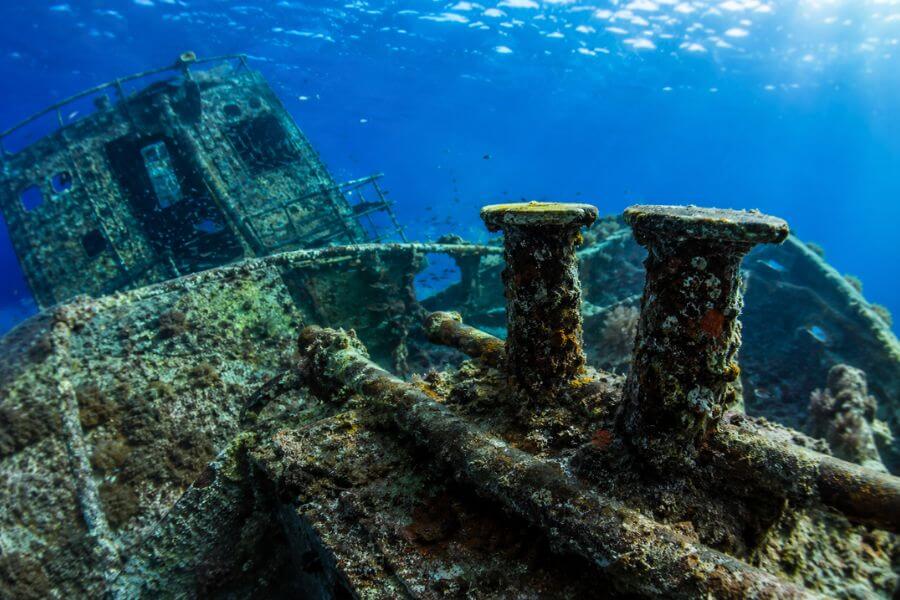
Australia has one of the most dramatic coastlines in the world, and beneath the waves lies a hidden world of historic shipwrecks waiting to be explored. From old steamships and wartime vessels to massive cargo ships claimed by rough seas, the Australian coast is packed with underwater history. If you love diving, marine life, and stories from the past, shipwreck diving gives you all three in one unforgettable experience.
Some wrecks sit in shallow water filled with colourful fish and coral, while others rest deep offshore and challenge even experienced divers. Every wreck has its own story, and diving them feels like stepping into a real underwater museum.
In this guide, you will discover the top historic shipwreck dive sites around Australia, what makes each one special, and why they deserve a place on your dive bucket list.
Quick Summary Table 🌊
| Rank | Shipwreck Dive Site | Location | Best For | Skill Level |
|---|---|---|---|---|
| 1 | SS Yongala | Queensland | Marine life and history | Advanced |
| 2 | Ex HMAS Swan | Western Australia | Artificial reef diving | Intermediate |
| 3 | SS Alert | Victoria | Historic wreck exploration | Advanced |
| 4 | Ex HMAS Brisbane | Queensland | Large naval wreck | Intermediate |
| 5 | Steamship Nord | Western Australia | Cave like swim throughs | Advanced |
| 6 | SS Canberra | Victoria | Deep wreck diving | Advanced |
| 7 | Ex HMAS Adelaide | New South Wales | East coast wreck diving | Intermediate |
| 8 | Loch Ard | Victoria | Famous maritime history | Intermediate |
| 9 | SS Tasmania | Victoria | Photography and marine life | Intermediate |
| 10 | Rapid Bay Jetty Wreck Area | South Australia | Easy access wreck diving | Beginner to Intermediate |
How We Ranked These Dive Sites 🧭
We looked at several important factors to choose the best historic shipwreck dive sites around Australia:
- Historical importance of the wreck
- Diving conditions and visibility
- Marine life around the wreck
- Accessibility for divers
- Underwater scenery and structure
- Safety and dive experience quality
- Popularity among local and international divers
- Suitability for different skill levels
- Preservation of the wreck
- Unique features that make each site memorable
1. SS Yongala, Queensland 🐠
The SS Yongala is often called Australia’s greatest shipwreck dive, and for good reason. The passenger ship sank during a cyclone in 1911 near Townsville, taking more than 120 lives with it. Today, the wreck rests beneath the Coral Sea and has become one of the country’s most famous dive sites.
What makes the Yongala special is the incredible amount of marine life living around it. You can expect to see giant groupers, sea turtles, eagle rays, reef sharks, barracuda, and huge schools of fish circling the wreck. The ship itself is still clearly recognisable, which adds to the atmosphere of the dive.
Visibility can vary, and currents are often strong, so this site is best suited to experienced divers. Even so, many divers describe it as the best dive of their lives. The combination of history and ocean life is difficult to match anywhere else in Australia.
2. Ex HMAS Swan, Western Australia 🦢
Located near Dunsborough in Western Australia, the Ex HMAS Swan is one of Australia’s most successful scuttled naval wrecks. The former destroyer escort was deliberately sunk in 1997 to create an artificial reef and dive attraction.
The wreck sits upright and remains in excellent condition. Divers can explore different sections of the ship, including hallways, control rooms, and deck areas. Over time, coral, sponges, and marine life have transformed the vessel into a colourful underwater habitat.
One of the best things about this site is that it suits a range of divers. Intermediate divers can enjoy the outer structure, while more advanced divers can safely explore penetration areas with proper training. The calm waters around Geographe Bay also make the experience more comfortable than many offshore wreck dives.
3. SS Alert, Victoria 🚢
The SS Alert is one of Victoria’s most haunting shipwrecks. The steamship sank in 1893 near Cape Schanck during rough weather, and the wreck now lies in deeper waters off the Mornington Peninsula.
This dive site is famous for its preserved structure and dramatic atmosphere. Because the wreck sits in cooler southern waters, marine growth covers much of the ship and creates an eerie but beautiful scene. Large schools of fish move through the wreck, and divers often spot rays and crayfish hiding within the structure.
Conditions can be challenging due to currents and lower visibility, making this dive better suited for advanced wreck divers. However, for those with experience, the SS Alert delivers a powerful mix of maritime history and underwater adventure.
4. Ex HMAS Brisbane, Queensland ⚔️
The Ex HMAS Brisbane sits off the Sunshine Coast and is one of Queensland’s most popular wreck dives. The guided missile destroyer was intentionally sunk in 2005 and quickly became a thriving marine habitat.
At more than 130 metres long, the wreck offers plenty to explore. You can swim past large gun turrets, radar systems, and open deck sections while surrounded by schools of trevally, kingfish, and cod. Visibility here is often excellent, especially during the warmer months.
The wreck was carefully prepared for divers before sinking, making it safer and easier to navigate than many older wrecks. This makes it a fantastic choice if you want the excitement of wreck diving without extreme conditions.
5. Steamship Nord, Western Australia 🌅
The Steamship Nord rests near Rottnest Island and is one of Western Australia’s hidden wreck diving gems. The ship sank in 1915 after colliding with another vessel during heavy fog.
Today, the wreck is partly broken apart, which creates fascinating swim-through areas and dramatic underwater scenery. Colourful sponge growth and soft corals cover much of the structure, while fish life thrives among the remains.
The waters around Rottnest Island are known for clear visibility, especially during summer. Divers who enjoy underwater photography often love this site because the lighting and marine life create excellent photo opportunities.
6. SS Canberra, Victoria ❄️
The SS Canberra lies near Portsea in Victoria and is known for being one of Australia’s deeper and more technical wreck dives. The ship sank in 1917 after striking rocks near the entrance to Port Phillip Bay.
Unlike some artificial wrecks, the Canberra feels untouched and raw. Its broken structure, scattered debris, and dark southern waters create a dramatic atmosphere that experienced divers appreciate. Strong currents in the area can make the dive demanding, but they also attract rich marine life.
You may spot giant spider crabs, schools of snapper, and colourful sea stars around the wreck. Because of the conditions, this site is usually recommended for advanced divers with deep diving experience.
7. Ex HMAS Adelaide, New South Wales 🐟
Off the coast of Avoca Beach in New South Wales, the Ex HMAS Adelaide has become one of the state’s top wreck dive attractions. The former guided missile frigate was scuttled in 2011 and now rests upright on the seafloor.
The wreck is huge, giving divers plenty to explore across multiple dives. You can move through wide corridors, inspect military equipment, and watch marine life fill every corner of the ship. Wobbegong sharks, giant cuttlefish, and schools of yellowtail are commonly seen here.
Because the wreck was designed for recreational diving access, it appeals to both intermediate and advanced divers. It is also one of the easiest major wreck dives to access from Sydney.
8. Loch Ard, Victoria 🪸
The Loch Ard is one of Australia’s most famous shipwreck stories. The clipper ship wrecked along Victoria’s Shipwreck Coast in 1878 after crashing into cliffs during heavy fog. Only two people survived.
Although much of the wreck has broken apart over time, the site remains highly significant because of its history and dramatic location near the Twelve Apostles region. Divers exploring the area can see scattered remains mixed with rocky reefs and marine life.
This site is especially appealing if you enjoy combining diving with Australian history. Above the water, the nearby coastline and Loch Ard Gorge add even more atmosphere to the experience.
9. SS Tasmania, Victoria 📸
The SS Tasmania sank near Queenscliff in 1897 after striking a reef in thick fog. Today, the wreck is spread across several sections, creating a large underwater playground for divers.
One reason photographers love this site is the amount of marine growth covering the wreck. Bright sponges, seaweed, and soft corals create beautiful colours against the metal remains. Fish life is abundant, and seals are sometimes spotted nearby.
The site can be explored over several dives because different areas reveal different features. Some sections are shallow enough for intermediate divers, while deeper parts suit more experienced wreck explorers.
10. Rapid Bay Jetty Wreck Area, South Australia 🦑
Rapid Bay is better known for its jetty diving, but the surrounding wreck area also makes it a great location for newer wreck divers. Located south of Adelaide, this site offers calm conditions and easy shore access.
The smaller wreck remains near the jetty attracts plenty of marine life, including leafy sea dragons, cuttlefish, and schools of fish. While the wrecks are not as massive as naval ships or steamers elsewhere in Australia, they provide an enjoyable and less intimidating introduction to wreck diving.
Because access is simple and conditions are often gentle, Rapid Bay is ideal if you are starting your shipwreck diving journey and want to build confidence underwater.
Conclusion 🏝️
Australia’s coastline hides some of the world’s most fascinating shipwreck dive sites. Whether you want to explore famous steamships, military destroyers, or forgotten maritime disasters, there is a wreck dive here for every kind of diver.
The warm tropical waters of Queensland offer massive marine life encounters, while the cooler southern states deliver dramatic underwater history and rugged scenery. Western Australia and New South Wales also provide incredible wreck experiences with excellent visibility and thriving reefs.
No matter which site you choose, shipwreck diving around Australia gives you the rare chance to experience history, adventure, and marine life all in one dive. It is the kind of experience that stays with you long after you leave the water.
Frequently Asked Questions 🤿
What is the most famous shipwreck dive site in Australia?
The SS Yongala in Queensland is widely considered Australia’s most famous shipwreck dive. It is known for its rich marine life, historical importance, and incredible underwater scenery.
Do you need special training for wreck diving?
For many wreck dives, standard open water certification is enough if you stay outside the wreck. However, advanced wreck penetration diving requires extra training and safety skills.
Which Australian state has the best wreck diving?
Queensland and Victoria are both highly regarded for wreck diving. Queensland offers warmer waters and tropical marine life, while Victoria is famous for historic wrecks and dramatic underwater conditions.
Are shipwreck dives safe for beginners?
Some wreck sites are beginner-friendly, especially artificial reefs and shallow wrecks. However, deeper wrecks with currents and penetration areas should only be attempted by experienced divers.
What marine life can you see around Australian shipwrecks?
You may see sea turtles, sharks, rays, giant groupers, cuttlefish, colourful reef fish, seals, and even leafy sea dragons, depending on the location and season.