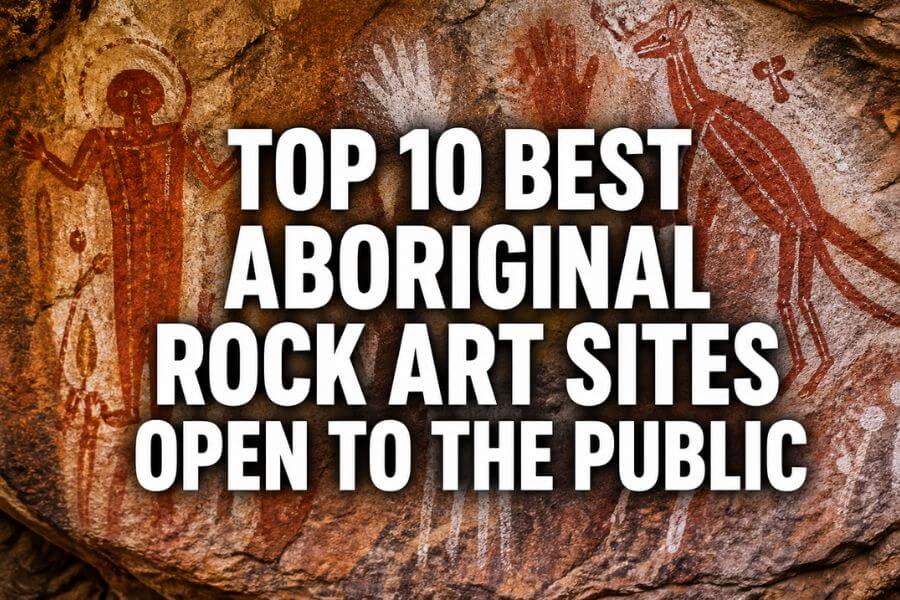
If you are looking for a deeper way to experience Australia, visiting Aboriginal rock art sites is one of the most powerful things you can do. These sites are not just beautiful. They are living cultural landscapes that tell stories dating back tens of thousands of years. When you stand in front of ancient paintings or engravings, you are stepping into a connection that stretches far beyond modern history.
Across Australia, there are many rock art sites open to the public, from remote national parks to places close to major cities. Each site has its own style, meaning, and cultural importance. Some are easy walks, while others require a bit of planning and respect for the environment and Traditional Owners.
In this guide, you will discover ten of the best Aboriginal rock art sites you can visit. You will also learn what makes each one special, how to prepare for your visit, and how to experience these places respectfully.
Quick Summary Table 📊
| No. | Rock Art Site | Location | Type of Art | Access Level | Best For |
|---|---|---|---|---|---|
| 1 | Kakadu Rock Art Sites | Northern Territory | Paintings | Easy to moderate | Iconic experiences |
| 2 | Ubirr | Northern Territory | Paintings | Easy | Sunrise and sunset views |
| 3 | Nourlangie | Northern Territory | Paintings | Easy | Storytelling art |
| 4 | Murujuga | Western Australia | Petroglyphs | Moderate | Ancient carvings |
| 5 | Carnarvon Gorge | Queensland | Paintings | Moderate | Scenic hikes |
| 6 | Laura Quinkan Country | Queensland | Paintings | Guided | Cultural depth |
| 7 | Grampians Rock Art | Victoria | Paintings | Easy to moderate | Southern Australia sites |
| 8 | Ku-ring-gai Chase National Park | New South Wales | Engravings | Easy | Close to Sydney |
| 9 | Dampier Archipelago | Western Australia | Petroglyphs | Moderate | Coastal landscapes |
| 10 | Keep River National Park | Northern Territory | Paintings | Moderate | Remote adventure |
How We Ranked These Sites 🧭
To give you the best list possible, we looked at several important factors. These help you find places that are both meaningful and accessible.
- Cultural significance and age of the artwork
- Accessibility for visitors
- Preservation and condition of the site
- Educational value and interpretation
- Scenic surroundings and overall experience
- Availability of guided tours or cultural insight
- Respect for Traditional Owners and site protection
Each site on this list offers a unique experience, so you can choose based on your travel style and comfort level.
1. Kakadu Rock Art Sites 🏞️
Kakadu is one of the most famous places in Australia for Aboriginal rock art, and for good reason. This vast national park is home to thousands of art sites, some dating back over 20,000 years.
When you visit, you will notice layers of paintings that show how art styles changed over time. Some images are simple handprints, while others show animals, spirits, and stories in detailed form. The famous X-ray style shows the internal organs of animals, which reflects deep knowledge of nature.
You can explore several areas within Kakadu, including well-marked walking tracks and lookout points. Many paths are easy to follow, making it suitable even if you are not an experienced hiker.
What makes Kakadu special is the way culture, landscape, and wildlife all come together. You are not just seeing art. You are experiencing a living cultural world that continues today.
2. Ubirr 🧡
Ubirr is one of the highlights within Kakadu and deserves its own spot on this list. It is known for its stunning rock formations and incredible views across floodplains.
The rock art here is easy to access, with short walking tracks that lead you through different galleries. You will see paintings of fish, kangaroos, and important ancestral beings.
One of the best times to visit is late afternoon. After exploring the art, you can climb to the top of the rocks and watch the sunset. The view is unforgettable and adds a deeper emotional layer to your visit.
Ubirr is perfect if you want a powerful experience without a long or difficult hike.
3. Nourlangie 🐾
Also located in Kakadu, Nourlangie is another must-see site. It offers a different style and storytelling approach compared to Ubirr.
Here, you will find art that explains Dreaming stories and cultural laws. One of the most famous figures is Namarrgon, the Lightning Man. These images are not just decorative. They carry meaning and teaching.
The walking track is well-maintained and includes informative signs that help you understand what you are seeing. This makes Nourlangie a great choice if you want to learn as you explore.
The surrounding rock shelters also provide shade, making it comfortable even on warmer days.
4. Murujuga Rock Art 🪨
Murujuga, also known as the Burrup Peninsula, is home to one of the largest collections of rock engravings in the world. Unlike painted sites, the art here is carved into the rock.
Some of these petroglyphs are believed to be over 40,000 years old. You will see images of animals, human figures, and symbols that reflect ancient life.
The site can feel quite different from other locations because of its coastal setting and open landscape. The contrast between the red rock and the blue sea creates a striking visual experience.
Access can be a bit more challenging, so it is worth planning ahead. Guided tours are often the best way to understand the deeper meanings behind the carvings.
5. Carnarvon Gorge 🏕️
Carnarvon Gorge in Queensland offers a mix of natural beauty and cultural history. The rock art sites here are spread along walking tracks through lush landscapes.
One of the highlights is the Art Gallery, where you will find stencilled hands, tools, and symbols. The narrow gorge walls create a unique setting that feels both peaceful and powerful.
The walk to reach the art sites is moderate, but the journey is part of the experience. You will pass creeks, cliffs, and wildlife along the way.
This is a great option if you enjoy combining hiking with cultural exploration.
6. Laura Quinkan Country 🎨
Located in Cape York, this area is known for its Quinkan rock art, which features detailed human and spirit figures.
Unlike many other sites, access here is usually through guided tours led by local Aboriginal people. This adds a deeper level of understanding and respect.
The art is unique in style, often showing dynamic figures in motion. These images are rich in storytelling and cultural meaning.
Visiting Laura Quinkan Country is not just about seeing art. It is about learning directly from the people who are connected to it.
7. Grampians Rock Art 🏔️
The Grampians in Victoria offer some of the best rock art sites in southern Australia. These sites are more accessible for travellers who may not be heading to the northern regions.
You will find shelters with paintings that include human figures, animals, and symbols. Some sites are easy walks, while others require a bit more effort.
The cooler climate and scenic mountain views make this area especially enjoyable. It is a great option if you want a cultural experience without travelling too far from major cities.
The Grampians also provide good visitor facilities and clear information, making it a comfortable and educational visit.
8. Ku-ring-gai Chase National Park 🌿
Just north of Sydney, this park is one of the most accessible places to see Aboriginal rock engravings.
The engravings are carved into sandstone and often show fish, animals, and people. Some are located along easy walking tracks, making them suitable for all ages.
Because of its location, this site is perfect if you are short on time but still want a meaningful experience.
Even though it is close to the city, the park feels peaceful and natural. It is a reminder that cultural heritage exists everywhere, not just in remote areas.
9. Dampier Archipelago 🌊
This coastal region in Western Australia features thousands of rock engravings spread across islands and mainland areas.
The art here is diverse, with images that reflect both land and sea life. The setting is dramatic, with rugged coastline and clear waters.
Access can vary depending on the specific location, so it is important to plan ahead. Some areas may require guided access or permits.
What makes this site stand out is the combination of cultural history and stunning coastal scenery.
10. Keep River National Park 🌄
Located near the border of the Northern Territory and Western Australia, this park offers a quieter and more remote experience.
The rock art here is found in sandstone formations that rise dramatically from the landscape. The paintings include animals, handprints, and symbolic designs.
The walking tracks are moderate, and the remote setting means you may have the area almost to yourself.
If you are looking for a less crowded but deeply rewarding experience, Keep River is a great choice.
Conclusion 🌟
Exploring Aboriginal rock art sites is one of the most meaningful ways to connect with Australia. These places are not just attractions. They are living stories, cultural teachings, and links to the past that continue into the present.
As you plan your visit, remember to approach each site with respect. Follow local guidelines, stay on marked paths, and take time to learn about the cultural significance of what you are seeing.
Whether you choose an easy walk near a city or a remote adventure in the outback, each site offers something unique. You will leave with a deeper understanding of Australia and a stronger appreciation for its First Nations cultures.
Frequently Asked Questions ❓
Do you need permission to visit Aboriginal rock art sites?
Many sites are open to the public, but some require permits or guided tours. Always check local rules before visiting.
Can you touch the rock art?
No, you should never touch the art. Oils from your skin can damage the surface and cause long-term harm.
What is the best time of year to visit these sites?
The best time depends on the location. Northern areas are best visited during the dry season, while southern sites can be visited year round.
Are guided tours worth it?
Yes, guided tours often provide deeper cultural insight and help you understand the meaning behind the art.
How can you show respect when visiting these sites?
Stay on marked paths, do not touch the art, follow signage, and respect any cultural restrictions or advice from Traditional Owners.