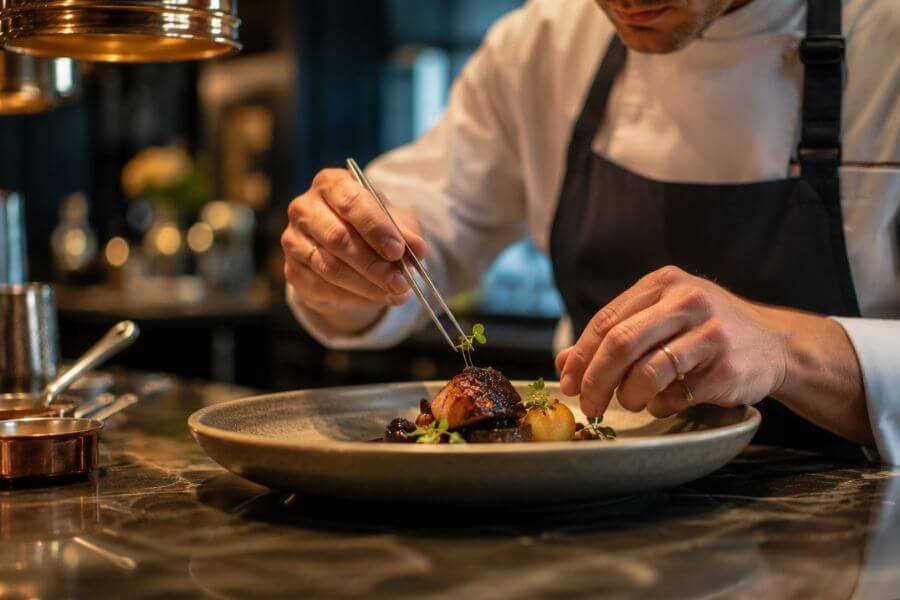
Imagine walking into a luxury hotel. Years ago, your first thought for dinner might have been the massive all-you-can-eat buffet. You picture long tables filled with rows of metal pans, silver covers, and endless stacks of plates. While those giant food halls are fun, things are changing fast. Today, the world of luxury travel is moving away from food mountains. Instead, top-tier hotels are bringing back true fine dining. They are turning your evening meal into a special, one-of-a-kind adventure.
This post will show you how top hotels are changing the way we eat, making food more personal, and protecting the planet at the same time.
Key Takeaways
Before we dive deep into the full story, here is a quick look at the major changes happening in luxury hotel dining rooms right now:
- Quality Beats Quantity: Hotels are closing down massive food lines to open smaller, high-end restaurants that focus on perfect cooking.
- Hyper-Local Ingredients: Chefs are growing their own food on hotel roofs or buying from small neighborhood farms instead of shipping items across the globe.
- Interactive Eating: Dinner is no longer just sitting and waiting. You get to talk to chefs, watch your food cook, and participate in the meal.
- Green Kitchens: Top kitchens are cutting down on waste, avoiding plastic, and making sure their practices protect nature.
- Tech with a Human Touch: Smart tools help kitchens remember exactly what you love to eat, creating a highly customized experience.
The Big Shift Away From the Endless Food Line
For a long time, the giant buffet was the king of the hotel lobby. It was a symbol of wealth and choice. You could get sushi, roast beef, pizza, and chocolate cake all on the same plate. But having too many choices actually started to take away from the joy of dining.
When a kitchen has to make five-hundred different items at the same time, it is impossible for every single dish to be perfect. Food sits under warm lights for hours. The crisp veggies get soft, and the juicy meats dry out.
Today, you want something different when you travel. You want a meal that feels like it was made just for you. Luxury hotels noticed this shift. They realized that true luxury is not about having everything available all the time. True luxury is about having the absolute best version of one specific thing.
Because of this, hotels are shrinking their dining spaces. They are replacing three-hundred-seat halls with intimate rooms that only hold thirty or forty guests. In these smaller spaces, the kitchen staff can spend hours perfecting a single sauce or plating a dish like a piece of fine art. You receive a hot meal that goes straight from the stove to your table in seconds.
Comparing the Old Way to the New Way
To see this change clearly, let us look at how the traditional hotel dining experience stacks up against the modern fine-dining approach.
| Feature | The Old Buffet Model | The Modern Fine-Dining Model |
| Food Freshness | Made in giant batches, sits under heat lamps | Cooked to order, served immediately |
| Room Atmosphere | Loud, busy, lots of walking around | Quiet, relaxing, focus on your table |
| Chef Interaction | Chefs stay hidden in the back kitchen | Chefs stand out front, talk to guests |
| Menu Style | Hundreds of items from everywhere | A few perfect dishes that tell a story |
| Food Waste | High waste from unchosen food | Very low waste due to exact planning |
How Chefs Are Bringing Identity Back to the Plate
When every hotel buffet looks the same, travel starts to feel boring. If you wake up in Tokyo, London, or New York and see the exact same scrambled eggs and pastries, you lose the feeling of being somewhere new. High-end hotels are fixing this by giving their restaurants a strong sense of place.
Chefs are diving deep into the history of their cities. They are talking to local historians and looking at old cookbooks to find recipes that were forgotten. When you eat at these new restaurants, the food tells you a story about the land outside the hotel windows.
Designing a Story Through a Menu
A great menu does more than just list foods and prices. It takes you on a journey. Chefs now design menus that follow a theme, such as the history of a local river or the changing colors of the forest.
- The Welcome Dish: A small, complimentary bite that introduces the local flavors.
- The First Act: Light appetizers that showcase wild greens or fresh seafood from nearby shores.
- The Main Event: A hearty dish centered around traditional cooking methods, like slow roasting over local wood types.
- The Sweet Finish: Desserts made with regional fruits, honey from hotel beehives, and native herbs.
By organizing the meal this way, you do not just fill your stomach. You learn about the culture, the people, and the heritage of the destination.
The Farm-To-Table Movement Inside Luxury Lodging
It used to be a point of pride for a luxury hotel to say their fish came from halfway across the world. Shipping rare items across oceans was seen as a sign of high status. Now, the mindset is completely opposite. The ultimate luxury is serving a vegetable that was pulled out of the dirt just three hours ago.
Hotels are investing heavily in agriculture. Some are buying giant plots of farmland in the countryside just to grow food for their city dining rooms. Others are looking closer to home by transforming flat hotel roofs into green, living gardens.
The Benefits of Growing Food On-Site
Why do hotels go through the trouble of building farms on top of concrete buildings? There are several major reasons why this makes your dinner taste better and helps the world around you.
- Unmatched Flavor: Plants lose their natural sugars and crisp texture the moment they are picked. Eating a tomato straight from the vine gives you a burst of sweet flavor that you can never get from a grocery store.
- Zero Travel Distance: Food does not need to sit in cardboard boxes inside cold airplanes or delivery trucks. It just takes a quick ride down the elevator to the kitchen.
- Preserving Rare Plants: Chefs can grow old, rare types of heirloom vegetables that are too delicate to be sold in regular stores.
- Natural Cooling: Roof gardens help keep the entire hotel cooler in the summer, saving energy for the whole building.
When you sit down to eat, you might see a sprig of rosemary on your plate and know it was growing right above your head while you were swimming in the hotel pool. That connection makes the meal feel incredibly special.
Creating Interactive Dinners Where You Join the Action
The days of sitting quietly while a waiter in a stiff suit serves your food are fading away. Modern fine dining is all about participation and entertainment. You do not just want to look at a pretty plate; you want to know how the magic happened.
Hotels are breaking down the walls between the dining room and the kitchen. They are building beautiful counter seats that wrap right around the cooking line. You can sit close enough to see the flames jump from the pans and hear the sizzle of the meat.
New Styles of Interactive Dinner Services
Hotels use several creative setups to bring you closer to the cooking process.
The Kitchen Counter Experience
You sit on high stools right in front of the chef’s workspace. There is no glass wall or barrier. The chef hands you dishes directly from the cutting board and explains the exact technique they used to create the textures.
Table-Side Final Touches
Instead of finishing the dish in the back, waiters bring rolling carts to your table. They might sear a piece of fish with a small hand torch, pour a smoky broth over your vegetables, or shave fresh truffles right in front of your eyes.
Private Garden Tours
Some resorts start your dinner with a walk. A guide takes you through the property gardens where you pick your own herbs and edible flowers. You carry your little basket to the kitchen, and the cooking team uses your harvest to finish your personal meal.
These experiences turn dinner into a lively show. It creates memories that last much longer than a standard sit-down meal.
How Kitchens Are Saving the Planet While Making Great Food
High-end dining used to have a dark secret: it created a massive amount of waste. Buffets were the worst offenders, as health laws meant that any food left over at the end of the night had to be thrown into the trash. Tons of premium meats, seafood, and pastries went straight to landfills every single week.
The new wave of fine dining is built around deep respect for nature. Top hotel chefs are proving that you can be eco-friendly while still delivering a world-class luxury experience.
Smart Ways Kitchens Minimize Waste
Modern luxury kitchens use clever systems to make sure nothing goes to waste.
- Root-to-Stem Cooking: Chefs use every part of a vegetable. Broccoli stems are shaved into thin, crunchy ribbons for salads, and carrot tops are turned into savory green sauces.
- Nose-to-Tail Dining: When using meats, kitchens do not just buy the prized cuts. They use the whole animal, turning different parts into rich stews, sausages, and stocks.
- High-Tech Composting: Food scraps that absolutely cannot be eaten are placed into advanced machines that turn the waste into rich soil fertilizer in less than twenty-four hours. This soil goes right back to the hotel gardens.
- Ditching Plastic: Fine-dining rooms are banning single-use plastic wrap, plastic straws, and printed menus, replacing them with reusable beeswax wraps and digital options.
By eating at a restaurant that cares about the earth, you can enjoy your luxury meal knowing that it did not come at the cost of the environment.
The Power of Tailored Dining Experiences
One of the biggest flaws of the old buffet system was that it treated every guest exactly the same. Everyone walked down the same line and picked from the same trays. But true luxury means getting exactly what fits your personal life, your body, and your tastes.
Fine-dining restaurants in five-star hotels are using smart, quiet organization to track what guests love. If you stay at a luxury resort brand, the staff takes detailed notes on your preferences.
What a Personalized Dinner Looks Like
Imagine walking into a hotel restaurant you have never visited before, yet the staff already knows your habits perfectly.
- The Right Table: The host guides you to a quiet corner table because they know you dislike loud noises.
- Customized Menus: Your printed menu lacks any mention of mushrooms because the kitchen remembered an allergy you mentioned three years ago at a different hotel across the country.
- Perfect Water Choice: Before you even ask, the waiter pours room-temperature water with a slice of lime, just the way you like it.
- Surprise Treats: The pastry chef sends out a dark chocolate dessert because your profile notes show you prefer dark chocolate over milk chocolate.
This level of care makes you feel seen and valued. It creates a warm, comforting environment where you can completely relax.
Redesigning the Dining Room For Comfort and Beauty
The physical look of hotel restaurants is undergoing a massive makeover. Old dining rooms often felt cold, grand, and intimidating. They had heavy velvet curtains, crystal chandeliers, and white tablecloths that were stretched so tight you were scared to drop a crumb.
The new style is called warm minimalism. It uses natural materials like light-colored wood, rough stone, and handmade clay plates. The goal is to make the room feel like a beautiful, wealthy friend’s dining room rather than a chilly museum.
Elements of the Modern Dining Space
Let us break down the physical pieces that make up these updated spaces.
Natural Lighting
Instead of dark rooms lit by artificial bulbs, new restaurants feature massive walls of glass. They let the natural sunset flood the room, which changes the mood of the dinner as day turns into night.
Acoustic Engineering
Special soft panels are hidden inside the walls and ceilings to absorb extra sound. This means you can hear the music and your conversation clearly without hearing the chatter from the tables next to you.
Open Views
Many spaces feature large indoor glass walls that let you peer into the wine cellars or the pastry rooms, making the design feel transparent and honest.
Artisanal Tableware
Hotels are hiring local artists to create custom plates, bowls, and water glasses. No two plates look exactly the same, adding a rustic, human touch to the table layout.
When a room feels comfortable, you stay longer. You slow down, talk more, and truly appreciate the flavors on your plate.
The Global Search for Exceptional Kitchen Talent
A restaurant is only as good as the people working inside it. To win back the hearts of food lovers, five-star hotels are changing how they hire staff. They are no longer looking for kitchen workers who just follow basic instruction books. They are hunting for true artists, innovators, and leaders.
Hotels are partnering with famous, independent chefs who have earned top honors around the globe. By bringing these culinary stars into hotel properties, the hotels instantly become hot spots for local foodies, not just international travelers.
The Team Behind Your Plate
It takes an army of passionate individuals to pull off a flawless fine-dining service every single night.
- The Master Chef: The creative mind who dreams up the menu concepts and ensures every dish looks like a masterpiece.
- The Sourcing Expert: A dedicated worker whose only job is to travel the region, meet farmers, and find the best ingredients available.
- The Service Director: The person who trains the waiting staff to move gracefully around the room, anticipating your needs before you say a word.
- The Flavor Alchemist: An expert who mixes unique drinks using juices, herbs, and teas to pair perfectly with each food course.
When you dine in these spaces, you are experiencing the combined skills of people who have dedicated their entire lives to the art of hospitality.
Why Fine Dining is the Future of Luxury Hotels
The giant hotel buffet had a great run, but it belongs to the past. Today’s travelers want authenticity, quality, and a deep connection to the places they visit. They want to know where their food came from, who cooked it, and why it matters.
By embracing smaller dining rooms, hyper-local farming, interactive cooking, and eco-friendly practices, five-star hotels are successfully reclaiming their crown as the ultimate leaders of fine dining. They are turning dinner back into what it was always meant to be: a joyful celebration of life, culture, and incredible flavor. The next time you check into a luxury hotel, skip the food line, book a seat at the chef’s counter, and get ready for an unforgettable journey.
Frequently Asked Questions
Why are five-star hotels closing down their buffets?
Hotels are making this change because buffets create a lot of food waste and make it hard to maintain top-tier food quality. Large batches of food sitting under warming lights quickly lose their fresh texture and flavor. By switching to smaller, ordered menus, kitchens can focus on making every single plate absolutely perfect and fresh.
Does modern fine dining mean the portions will be tiny?
Not necessarily. While fine-dining restaurants often serve multiple small courses instead of one giant plate, the entire meal is carefully planned by nutrition experts and chefs to ensure you leave the table feeling completely satisfied. The focus is on rich, high-quality flavors that fill you up comfortably without making you feel heavy.
How do hotel roof gardens help the environment?
Roof gardens help the environment in several big ways. They eliminate the need for delivery trucks to transport vegetables across cities, which cuts down on air pollution. They also act as natural insulation blankets for the hotel buildings, keeping them cooler in summer and warmer in winter, which saves tons of electricity.
What should I wear to a modern hotel fine-dining restaurant?
The clothing rules for luxury dining have become much more relaxed and comfortable over the years. While old-fashioned restaurants required formal suits and ties, modern spaces welcome smart-casual outfits. This means you can wear nice jeans, a clean button-down shirt, or a simple dress. The goal is to look neat while still feeling relaxed enough to enjoy your meal.
Are these new hotel restaurants open to people who are not staying at the hotel?
Yes, almost all modern hotel fine-dining rooms are completely open to the public. In fact, these restaurants love welcoming local residents from the neighborhood. It helps create a lively, vibrant atmosphere in the dining room and connects the hotel to the local community. It is always a good idea to make a reservation in advance, as these smaller rooms fill up quickly.