Key Takeaways
Flying from the United States of America to Australia is a massive journey that takes you across the largest ocean on Earth. To make this grand adventure comfortable, you need to pick the perfect airline, find a good flight path, and know how to look after your body. Planning ahead helps you step off the plane feeling fresh and ready to see amazing sights like the Sydney Opera House or the beautiful Outback.
Choosing a direct flight from cities like Los Angeles or San Francisco will save you a lot of time. If you live on the eastern side of America, you will need to take a shorter flight first before you start the long journey across the Pacific Ocean. Drinking water, moving your legs during the flight, and changing your watch to the local time of your destination as soon as you board the plane are excellent ways to stay healthy. Once you land, spending time outside in the bright sunshine will help your body clock adjust to the new timezone quickly.
Introduction
Pack your bags and get ready for the trip of a lifetime. You are about to cross the wide Pacific Ocean to visit the magnificent land down under. Australia is a beautiful country filled with unique animals, golden beaches, and friendly people, but getting there requires spending a lot of hours up in the sky. This guide will show you the absolute best ways to fly, the smartest paths to take, and clever tricks to keep your body feeling wonderful from the moment you take off to the moment you land.
Choosing Your Airline: The Sky Homes
Picking the right airline is one of the most important decisions you will make for this long trip because you will be living in that flying metal tube for a very long time. Different companies offer different kinds of seats, foods, and fun things to do while you are in the air. Let us look closely at the main choices you have when flying out of America.
Qantas
Qantas is the national airline of Australia, and its famous symbol is the flying kangaroo. When you step onto a Qantas plane, you instantly feel like you have already arrived in Australia because the crew members speak with warm, cheerful Australian voices. They are famous for being incredibly friendly and looking after travellers of all ages with great care.
The seats in the main seating area are designed to give your knees as much room as possible, which is wonderful when you are sitting down for more than half a day. Every traveller gets a cosy pillow, a thick blanket, and a small bag filled with helpful items like a toothbrush and an eye mask to block out the bright lights. The television screens attached to the back of the seat in front of you are large and clear, offering hundreds of movies, cartoon shows, and games that will keep you happy for hours.
Another fantastic thing about Qantas is the food and drink options. They serve large meals that highlight delicious Australian ingredients, and they always keep a snack bar open at the back of the plane. If you feel hungry in the middle of the night, you can simply walk down the aisle and grab a sweet biscuit, a piece of fresh fruit, or a warm cup of hot chocolate without having to press the call button.
United Airlines
United Airlines is a major American company that flies to Australia from several big cities across the United States. They have a massive network of flights, which means if you live in a smaller town in America, you can get a ticket that connects your hometown all the way to Sydney, Melbourne, or Brisbane with just one booking.
The planes they use for these long ocean crossings are very modern and have special features to make the air inside the cabin feel less dry. This helps stop your eyes and nose from feeling scratchy during the long trip. The seating areas are split into different choices, allowing you to pay a little bit extra for extra space to stretch your legs forward.
United has updated its entertainment setup, so you can connect your own wireless headphones to the screen using modern technology. They serve multiple hot meals during the flight, usually starting with a big dinner after takeoff, followed by a mid-flight snack, and finishing with a hot breakfast before you see the land below.
American Airlines
American Airlines works very closely with Qantas, which gives you the benefit of smooth connections if you are starting your trip in places like Texas, New York, or Florida. They fly their largest and most comfortable planes on the route from Los Angeles to Sydney.
The main cabin experience provides travellers with individual screens that have a massive choice of entertainment options, including popular Hollywood films and television programmes. The staff are attentive and make sure that water is handed out frequently so that nobody gets thirsty during the night.
Their seats have adjustable headrests that you can bend inwards to support your neck, making it much simpler to rest your head when you want to sleep. They also provide power sockets at every single seat, which means you can plug in your personal tablets, phones, or gaming devices to ensure they never run out of battery power while you are flying high above the clouds.
Delta Air Lines
Delta Air Lines is well known for having very high customer service scores, and they bring that same high quality to their long flights to Australia. They fly out of Los Angeles and bring a touch of luxury to every part of the plane.
Even in the standard seats, Delta provides travellers with an upgraded experience that includes a little welcome cocktail or juice, a hot towel to clean your face and hands, and a menu card that explains what food choices you will have later in the flight. The meals are created to look and taste like restaurant food, which is a lovely treat when you are thousands of feet in the air.
The entertainment screens on Delta are packed with fun options, and they even offer free mobile messaging on certain applications so you can text your friends and family back home on Earth without paying for expensive internet packages. The pillows they give you are made of soft materials that support your back or head perfectly.
Hawaiian Airlines
If you do not want to sit on a plane for fifteen hours straight, Hawaiian Airlines offers a wonderful alternative path. They fly from various mainland cities in America to the beautiful islands of Hawaii, where you can get off the plane, stretch your legs, and catch a second flight down to Australia.
Choosing this airline transforms your long travel day into a tropical holiday before you even reach your final destination. The moment you step on board, the flight attendants wear colourful shirts with flower patterns and play peaceful Hawaiian music over the speakers.
The food served on board features traditional tropical flavours, such as sweet pineapple juices and island treats. While the total travel time will be longer because you are stopping in the middle of the ocean, the break can be incredibly helpful for younger children or older travellers who find it difficult to sit still for a whole day.
Air New Zealand
Air New Zealand is another fantastic option that lets you stop briefly in Auckland, which is the largest city in New Zealand, before making the very short final hop over to Australia. This airline is famous worldwide for its creative ideas and high levels of comfort.
One of their most famous inventions is a special seating option where a row of three seats can be changed into a completely flat couch. This is brilliant for parents travelling with small children because it creates a safe, flat space where kids can lie down and sleep soundly just like they are in their own beds at home.
The cabin crew are known for their brilliant sense of humour and friendly nature, making the atmosphere on board feel very relaxed. Their entertainment system also allows you to order snacks and drinks directly from your personal screen, meaning a flight attendant will bring a glass of water or a snack straight to your seat whenever you select it on the screen.
Fiji Airways
Fiji Airways offers a warm and gentle way to travel down to Australia by stopping at their home base in the tropical paradise of Fiji. This option is often very friendly on your wallet, making it a popular choice for families who want to save money on plane tickets.
The planes are decorated with beautiful traditional patterns from the Pacific islands, and the crew members are exceptionally welcoming to children. They greet everyone with a giant smile and a warm hello.
Stopping in Fiji breaks the giant trip into two smaller pieces, with each flight being much shorter and more manageable. You can even choose to stay in Fiji for a couple of days to swim in the blue ocean before continuing your journey to Australia, giving you two holidays for the price of one.
Mapping Your Journey: The Flight Paths
The map of the world is vast, and there are a few different ways to draw your line from America to Australia. Depending on where you live and how much you like being in the air, you can choose a path that gets you there as fast as a rocket or one that lets you explore other countries along the way.
Direct Flights from the West Coast
For anyone who wants to get the flying over with as fast as possible, a direct flight from the west coast of America is the ultimate choice. The main airports for these flights are Los Angeles International Airport and San Francisco International Airport, though some flights also leave from Dallas and Vancouver.
When you take a direct flight, you climb on board in the evening, eat dinner, watch a few movies, go to sleep, wake up, eat breakfast, and you are in Australia. The total time in the air is usually between fourteen and fifteen hours.
This path is highly recommended because it cuts out the risk of missing a connecting flight or losing your luggage at a middle airport. It is the quickest path to getting your feet onto Australian soil so you can start your holiday.
Connecting Flights from the East Coast
If you live in cities like New York, Boston, Atlanta, or Chicago, your journey will have an extra step. You cannot fly directly to Australia from the eastern side of America because the distance is simply too great for regular passenger planes to carry enough fuel.
Your first step will be a domestic flight across the United States to a west coast airport, which takes about five to six hours. Once you land on the west coast, you will have to walk to your new departure gate, stretch your limbs, and then board the big international plane for the fifteen-hour ocean crossing.
When planning this path, it is smart to leave at least three hours between your flights. American airports are huge, and you do not want to be running through the terminals feeling stressed out because your first flight was delayed by bad weather.
Stopping Over in the Pacific Islands
As mentioned with airlines like Hawaiian Airways and Fiji Airways, stopping over in the middle of the ocean is a magnificent way to travel. Instead of doing one massive push, you break the trip into two distinct parts.
The first part takes you from the American mainland to an island like Oahu in Hawaii or Viti Levu in Fiji, which takes about five to six hours from the west coast. After spending a few hours or a few days enjoying the island breeze, you board the second flight, which takes another seven to eight hours to reach Australia.
This path helps reduce physical tiredness because your body gets a chance to stand up, walk around on solid ground, breathe fresh outdoor air, and eat a meal in a normal restaurant before continuing south.
Surviving the Long Flight: In-Flight Comfort and Care
A fifteen-hour flight is longer than a whole day at school or work, so you must prepare yourself well to stay happy and comfortable in your seat. With the right items and the right mindset, the time will fly by quickly.
What to Wear for Fifteen Hours in the Air
When you are dressing up for a long flight, forget about looking fashionable and focus entirely on being comfortable. The air inside a plane can start off very warm while the plane is sitting on the ground, but it often becomes quite chilly once you are flying high up near the stars.
The best trick is to wear multiple loose layers of clothing. Start with a soft t-shirt, add a long-sleeve jumper, and bring a comfortable jacket or zip-up hoodie that you can easily take off if you feel warm.
Choose loose trousers like tracksuits or soft leggings instead of tight jeans that can press against your waist when you sit down. Do not forget to wear thick, warm socks because your feet can get very cold on the aeroplane floor, and select shoes that are simple to slip on and off when you need to use the restroom.
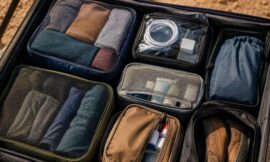
Packing Your Small Carry-on Bag
Your main suitcases will be stored underneath the plane where you cannot touch them, so your small cabin bag needs to hold everything you might need during the long day in the sky.
Make sure to pack a small bottle of lotion and lip balm because the air inside the plane is dry and can make your skin feel tight and itchy. Bring your own toothbrush and a small tube of paste so you can refresh your mouth after sleeping, which will make you feel instantly more awake.
It is also highly recommended to pack some simple snacks like crackers, dried fruit, or fruit bars just in case you do not like the food served on the plane or get hungry between the official meal times. Always carry a refillable water bottle that is empty when you go through airport security, and fill it up at a water fountain before you walk onto the aircraft.
Staying Hydrated and Well Fed
Drinking plenty of fluids is the number one secret to feeling good during and after a long flight. The dry air inside the plane drains water from your body much faster than normal, which can cause headaches and make you feel deeply tired.
Try to drink a full glass of water every single hour that you are awake. Even if you are not thirsty, keep sipping from your bottle, and try to avoid drinks that have a lot of sugar or caffeine because they can disrupt your sleep patterns later on.
When the flight attendants bring the food carts down the aisle, try to choose options that feel light and healthy, like chicken, fish, or rice dishes. Eating heavy, greasy foods can make your stomach feel bloated and uncomfortable when you are sitting still for such a long period.
Entertainment and Keeping Your Mind Busy
To stop yourself from looking at the flight map every five minutes, you need to keep your brain fully occupied with fun activities.
While the plane will have lots of movies on the screen, it is a brilliant idea to download your personal favourite shows, books, and games onto your own phone or tablet before you leave your house. This ensures that even if the plane screen breaks, you still have plenty of entertainment ready to go.
Bring a physical book, a comic, or a puzzle book with a pen as a backup option for times when your eyes feel tired from looking at electronic screens. For younger travellers, packing some colouring books, stickers, or small toys that do not make loud noises will keep small hands busy and happy without disturbing the other passengers sitting around you.
Beating the Clock: Dealing with Jet Lag
Jet lag is the tired, funny feeling your body gets when you travel across different timezones very quickly. Your internal body clock gets confused because it thinks it is nighttime when the sun is shining brightly outside, or it thinks it is lunchtime when everyone else is fast asleep.
Understanding the Time Jump
When you fly from America to Australia, you cross a special imaginary line in the ocean called the International Date Line. Crossing this line means you actually jump forward into tomorrow, skipping a whole day on the calendar.
For example, if you leave Los Angeles on a Thursday evening, you will land in Sydney on Saturday morning, making it feel like Friday disappeared completely into thin air. Do not worry, you get that day back when you fly home to America.
Because Australia is many hours ahead of America, your body will naturally want to stay awake late into the night and sleep all through the morning when you first arrive. Understanding this helps you plan how to trick your brain into adjusting to the new schedule.
What to Do Before You Leave Home
You can start preparing your body for the big time jump a few days before you even step onto the aeroplane. This makes the transition much smoother once you arrive in the southern hemisphere.
If you are flying towards the west to reach Australia, try staying up a little bit later each night and sleeping in a little bit later in the morning during the week before your trip. This starts moving your internal clock closer to Australian time.
Make sure you are fully rested before the travel day begins. Some people think that staying awake all night before a flight will help them sleep better on the plane, but this usually just makes you feel grumpy and overly exhausted during the journey.
Managing the First Day in Australia
The choices you make during your very first day on Australian soil will determine how quickly you shake off that heavy, tired feeling.
Even if you are feeling completely exhausted when the plane lands in the morning, do your absolute best to stay awake until at least eight o’clock in the evening local time. Taking a long nap in the middle of the day will prolong your jet lag and make it harder for your body to adjust.
The best medicine for jet lag is natural sunlight. Go for a gentle walk outside in a park or along the beach, let the bright sun hit your eyes, and breathe in the fresh air. The sunlight sends a powerful signal to your brain telling it that it is daytime and that you need to be awake.
Staying Awake When You Want to Sleep
When the afternoon arrives on your first day, you will probably hit a wall where your eyes feel incredibly heavy and you want nothing more than to curl up in a bed.
To fight this feeling, keep your body moving by exploring local shops, visiting a museum, or playing a game outside. Avoid sitting in dark rooms or watching television in your hotel room because you will likely fall asleep without meaning to.
Eat your meals at the normal times that Australian people eat them. Eat a good breakfast in the morning, a nice lunch at midday, and a proper dinner in the evening, even if your stomach feels a bit confused about why it is receiving food at these new hours.
Arriving in Australia: What to Expect at the Border
When the plane finally touches down and the wheels squeak on the runway, you have officially made it to Australia. Before you can run outside to look for wild koalas, you need to go through the official arrival steps at the airport.
Filling Out Your Incoming Passenger Card
While you are still on the plane before landing, the flight attendants will hand everyone a small orange piece of paper called an Incoming Passenger Card. This is an important official document that you must fill out honestly using a blue or black pen.
The card asks for basic information like your name, your passport number, where you will be staying in Australia, and what items you are bringing into the country in your luggage.
Parents can help children fill out their cards, but every single traveller needs to have their own card ready to show the officers at the border station once you walk off the aircraft.
Going Through Border Control
The first stop inside the airport terminal is border control, where officers check your passport and visa to ensure you have permission to visit Australia.
If you have a modern passport with an electronic chip, you might be able to use a smart machine instead of waiting in a long queue to see a human officer. You simply insert your passport into the machine, look straight into a camera so it can take a photo of your face, and it prints out a small ticket.
Once you pass this area, you walk into the baggage hall to collect your large suitcases from the giant moving carousels. Make sure to check the labels on the bags carefully to ensure you have grabbed your own suitcase and not someone else’s bag that looks similar.
Border Protection Rules for Food and Plants
Australia is an island continent with incredibly unique plants and animals that do not exist anywhere else on Earth, and the country works extremely hard to protect them from dangerous pests and diseases from other parts of the world.
Because of this, Australia has some of the strictest border rules in the world regarding what you can bring inside your luggage. You must declare any food, plant material, wooden items, or seeds on your orange card.
If you brought snacks from America like apples, nuts, or beef jerky, you must either throw them away in the special bins at the airport or show them to a border officer. If you forget to declare food items, you can get into a lot of trouble and have to pay a very large fine, so it is always safest to show the officers everything you have.
Frequently Asked Questions
How long does it take to fly from the USA to Australia?
A direct flight from west coast cities like Los Angeles or San Francisco to eastern Australian cities like Sydney or Brisbane takes around fourteen to fifteen hours of continuous flying. If you are leaving from the east coast of America, such as New York, you must add another five to six hours for the domestic flight across the country, making the total travel time around twenty to twenty-two hours.
What is the best month to travel to Australia?
Because Australia is in the southern hemisphere, its seasons are completely opposite to the United States. When it is winter in America, it is summer in Australia, which makes the months of December, January, and February perfect if you are looking for warm sunshine and beach weather. If you prefer cooler temperatures for walking around and exploring cities, the months of September, October, April, and May offer lovely, mild weather.
Do I need a special visa to visit Australia?
Yes, almost all travellers holding an American passport need to get an official travel authorisation before they go to the airport. For regular holidays, you can apply for something called an Electronic Travel Authority using an official app on your mobile phone, which links the travel permit directly to your passport electronically.
Can I bring my own snacks on the plane?
You are absolutely allowed to pack your own dry snacks like biscuits, chips, sweets, and crackers in your carry-on bag to eat during the flight. However, remember that any fresh food like fruit, vegetables, or meat items cannot be taken past the Australian airport border when you arrive, so you must eat them while you are still up in the air or leave them on the plane.
How do I handle the huge time change?
The smartest method is to change the time on your watch or phone to the local time in Australia as soon as you sit down in your aeroplane seat. Try to sleep when it is nighttime in Australia and stay awake when it is daytime on the flight map, and make sure to spend lots of time outside in the natural sunshine during your first few days down under.
Which airline is best for children and families?
Airlines like Air New Zealand are fantastic for families because of their special couch seats that let young children lie down completely flat to sleep. Qantas, Fiji Airways, and Hawaiian Airlines are also highly rated for families because their crews are exceptionally warm, and they provide excellent child-friendly meals and entertainment options to keep young minds happy.
What should I pack in my cabin bag?
Your cabin bag should contain all your important documents like your passport, a warm jumper or jacket for when the cabin gets chilly, a refillable water bottle, your phone charger, noise-cancelling headphones, a toothbrush, and some small snacks. It is also a smart idea to pack a change of clothes just in case your big suitcases arrive late.
How can I get some sleep on a night flight?
To give yourself the best chance of sleeping soundly, wear loose, comfortable clothes and thick socks to keep your toes warm. Use the pillow and blanket provided by the airline, wear an eye mask to block out any sudden lights, use earplugs or headphones to drown out the low hum of the engine, and avoid watching exciting action movies or drinking sugary sodas right before you want to close your eyes.