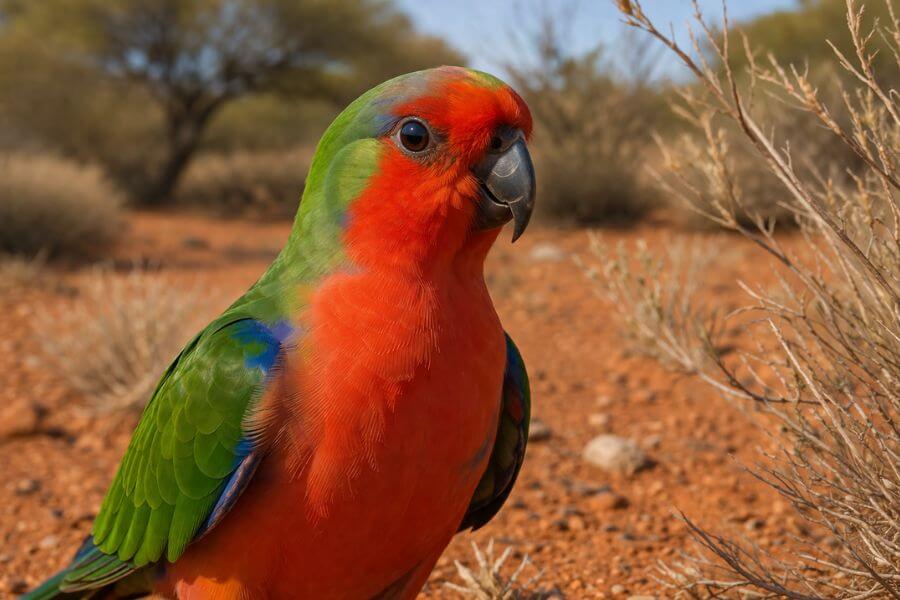
If you love birds and wide open landscapes, the Australian Outback offers some of the most rewarding birdwatching experiences in the world. Here, you can spot rare species, colorful parrots, and unique desert-adapted birds that you will not easily find anywhere else. The beauty of birdwatching in the Outback is not just about the birds themselves, but also the peaceful environment, dramatic scenery, and sense of adventure that come with exploring remote regions. In this guide, you will discover ten of the best birdwatching spots across the Australian Outback where you can enjoy nature at its purest. Whether you are a beginner or an experienced birder, these locations will help you create unforgettable memories.
1. Alice Springs Desert Park
Located near the heart of the Outback, Alice Springs Desert Park is one of the easiest places to start your birdwatching journey. You can walk through different desert habitats and observe birds up close while learning about their behavior. Look out for species like the spinifex pigeon and the majestic wedge-tailed eagle. The park also offers guided tours, which are helpful if you want to understand more about local birdlife. It is a great spot if you prefer a mix of comfort and nature.
2. Simpson Desert
The Simpson Desert may seem harsh, but it is full of surprising birdlife. After rainfall, this area becomes alive with birds such as budgerigars, zebra finches, and other small desert species. You will often see large flocks moving together, creating an amazing visual experience. Birdwatching here requires preparation due to the remote conditions, but the reward is seeing birds in a truly wild environment.
3. Kakadu National Park
Kakadu is one of the most famous natural areas in Australia and a dream destination for birdwatchers. With wetlands, floodplains, and woodlands, you can spot hundreds of bird species. Keep an eye out for jabirus, magpie geese, and colorful kingfishers. The best time to visit is during the dry season when birds gather around shrinking water sources, making them easier to observe.
4. Lake Eyre Basin
Lake Eyre Basin is a unique birdwatching location that changes dramatically depending on water levels. When the lake fills, it attracts thousands of waterbirds, including pelicans and gulls. Even during dry periods, you can still see hardy desert species. The wide open space allows you to observe birds from a distance without disturbing them, making it ideal for photography.
5. Finke Gorge National Park
Finke Gorge offers a mix of rocky landscapes and palm-filled valleys. This creates a special environment where you can find both desert birds and species that prefer sheltered habitats. Look for honeyeaters, parrots, and finches as you explore the area. The contrast between dry land and green pockets makes birdwatching here very interesting.
6. Diamantina National Park
Located in Queensland, Diamantina National Park is known for its floodplains and grasslands. These habitats attract a wide variety of birds, especially after seasonal rains. You might spot brolgas, pelicans, and even birds of prey. The park is less crowded, giving you a quiet and relaxing birdwatching experience.
7. Uluru-Kata Tjuta National Park
While most people visit this park for its iconic rock formations, it is also a great place for birdwatching. Early mornings and late afternoons are the best times to see birds such as the Australian ringneck and peregrine falcon. The red desert backdrop makes every sighting feel special and unique.
8. Sturt National Park
Sturt National Park in New South Wales offers a classic Outback birdwatching experience. The dry plains and salt lakes attract species that are well adapted to harsh conditions. You may see emus, parrots, and various raptors. The park is especially rewarding after rain, when bird activity increases.
9. Litchfield National Park
Although it is more accessible than other Outback areas, Litchfield still provides excellent birdwatching opportunities. Its waterfalls and forests attract birds like rainbow bee-eaters and cockatoos. The mix of water and greenery makes it easier to spot birds compared to drier regions.
10. Cooper Creek Region
The Cooper Creek region is one of the most important inland water systems in Australia. When water flows through the area, it brings life to the desert and attracts a wide range of birds. You can expect to see large flocks, especially waterbirds and migratory species. This area is perfect if you want to experience the Outback at its most alive.
Conclusion
Birdwatching in the Australian Outback is a truly unique experience that combines wildlife, adventure, and breathtaking scenery. Each location offers something different, from dry deserts filled with hardy species to wetlands that attract large flocks of birds. As you explore these spots, you will gain a deeper appreciation for how birds adapt to extreme environments. With a bit of planning and patience, you can enjoy some of the best birdwatching opportunities in the world. Whether you are traveling for relaxation or discovery, the Outback will leave you inspired and eager to return.
Frequently Asked Questions
What is the best time of year for birdwatching in the Outback?
The best time is usually after rainfall or during the cooler months. Rain brings water and food, which attracts more birds. Early mornings and late afternoons are also ideal times of day to see active birdlife.
Do I need special equipment for birdwatching in the Outback?
Basic equipment includes binoculars, a camera, and a bird guidebook or app. It is also important to bring water, sun protection, and suitable clothing because conditions can be harsh.
Are there guided birdwatching tours available?
Yes, many popular locations offer guided tours. These tours can help you find birds more easily and learn about their behavior and habitats from experienced guides.
Is birdwatching in the Outback safe?
It is generally safe if you prepare well. Always check weather conditions, carry enough supplies, and inform someone about your travel plans. Staying on marked paths also helps ensure safety.
What types of birds can I expect to see?
You can expect a wide range of species, including:
- Parrots such as budgerigars
- Birds of prey like eagles and falcons
- Waterbirds including pelicans and geese
- Small desert birds like finches and pigeons
The variety depends on the location and season, so every trip can offer a different experience.