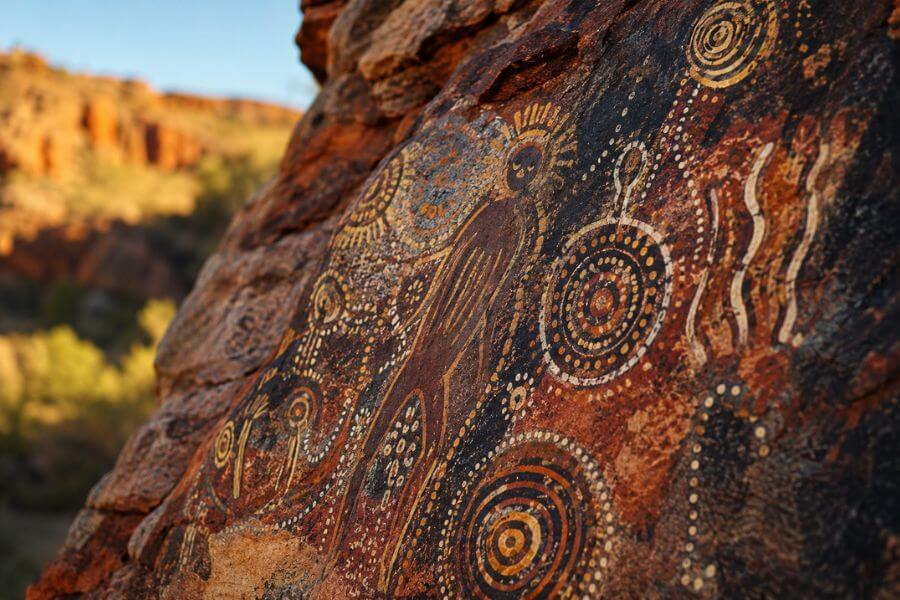
Australia is home to one of the oldest living cultures in the world. Aboriginal and Torres Strait Islander peoples have cared for this land for tens of thousands of years, and their traditions, stories, languages, and connection to Country remain deeply important today.
When you travel across Australia, you have the chance to learn about Indigenous culture in ways that are meaningful, respectful, and unforgettable. The best experiences are not about ticking off tourist attractions. They are about listening, learning, supporting Indigenous communities, and understanding the deep connection between people and place.
This guide will help you discover respectful ways to experience Aboriginal culture across Australia while travelling thoughtfully and responsibly.
Quick Summary Table 🧭
| Rank | Experience | Best Location Ideas | Why It Matters |
|---|---|---|---|
| 1 | Join an Indigenous guided tour | Northern Territory, Queensland | Learn directly from Traditional Owners |
| 2 | Visit cultural centres | Kakadu, Uluru, Sydney | Gain deeper historical understanding |
| 3 | Attend Aboriginal art experiences | Central Australia, Melbourne | Support Indigenous artists |
| 4 | Learn about Dreaming stories | Arnhem Land, Blue Mountains | Understand spiritual connections to Country |
| 5 | Experience bush tucker tours | Western Australia, Queensland | Discover traditional food knowledge |
| 6 | Watch traditional dance performances | Darwin, Cairns | Experience storytelling through movement |
| 7 | Stay at Indigenous-owned accommodation | Remote communities, eco lodges | Support local economies |
| 8 | Visit sacred sites respectfully | Uluru, Kata Tjuta | Learn cultural protocols |
| 9 | Participate in workshops and classes | Major cities and regional towns | Learn hands-on cultural skills |
| 10 | Support Indigenous businesses | Nationwide | Help preserve culture through tourism |
How We Ranked These Experiences ⭐
We ranked these experiences using several important factors:
- Cultural authenticity and respect
- Opportunities to learn directly from Indigenous people
- Positive support for Aboriginal communities
- Accessibility for travellers across Australia
- Educational value for visitors
- Long-lasting cultural impact
- Ethical and sustainable tourism practices
- Visitor experience quality
- Community involvement
- Opportunities for genuine connection
1. Join an Indigenous Guided Tour 🐨
One of the best ways to experience Aboriginal culture respectfully is by joining a guided tour led by Indigenous guides. These tours give you the chance to hear stories directly from Traditional Owners rather than through second-hand sources.
You might walk through ancient rock art sites in the Northern Territory, explore rainforests in Queensland, or discover hidden cultural landmarks in urban areas like Sydney or Melbourne. Indigenous guides often explain the meaning behind landscapes, native plants, and sacred locations in ways you would never learn on your own.
These tours also help preserve local traditions because tourism income supports Indigenous families and communities. You are not only learning about culture but also helping it continue for future generations.
When you join these tours, remember to listen carefully, ask thoughtful questions, and follow all instructions respectfully. Photography may not always be allowed at certain locations, especially sacred sites.
2. Visit Aboriginal Cultural Centres 🎨
Cultural centres are excellent places to begin your understanding of Aboriginal history and traditions. Across Australia, many centres are operated with strong Indigenous involvement and offer exhibitions, storytelling sessions, performances, and educational displays.
You can learn about language groups, traditional hunting methods, Dreaming stories, and the impact of colonisation on Indigenous communities. Some centres also feature local artwork, films, and interactive experiences that help visitors connect more deeply with Aboriginal culture.
These centres are especially valuable if you are visiting areas with significant cultural heritage, such as Kakadu National Park or the Red Centre.
Take your time while visiting. Instead of rushing through exhibits, slow down and absorb the stories being shared. Many visitors leave with a completely new understanding of Australia’s history.
3. Attend Aboriginal Art Experiences 🖌️
Aboriginal art is one of the most recognised cultural traditions in Australia, but respectful engagement matters greatly. Rather than buying mass-produced souvenirs, try visiting Indigenous galleries, community art centres, or artist workshops.
Many artworks tell stories connected to Country, ancestors, and Dreaming traditions. Symbols and patterns often carry deep meaning that goes far beyond decoration.
Attending live painting demonstrations or guided art sessions allows you to understand the stories behind the work. You may also hear artists explain how art helps preserve language, culture, and identity.
When purchasing artwork, choose authentic Indigenous-owned galleries or certified sellers. This ensures artists are fairly paid and cultural traditions are protected.
4. Learn About Dreaming Stories 🌄
Dreaming stories are central to many Aboriginal cultures and explain the creation of landscapes, animals, and spiritual connections across Australia. These stories are deeply meaningful and should always be approached with respect.
Many guided tours and cultural programs share selected Dreaming stories that visitors are permitted to hear. Learning these stories helps you understand that land is not simply scenery. For Aboriginal people, Country is living, spiritual, and connected to identity.
You may hear stories connected to rivers, rock formations, mountains, or stars in the night sky. Each region has its own traditions and stories passed down through generations.
It is important to remember that not all stories are meant for outsiders. Respect boundaries if guides choose not to share certain cultural knowledge.
5. Experience Bush Tucker Tours 🍃
Bush tucker tours introduce you to traditional Indigenous food knowledge that has existed for thousands of years. These experiences often include native ingredients, medicinal plants, and sustainable harvesting practices.
You may taste foods such as wattleseed, finger lime, bush tomato, lemon myrtle, or native herbs while learning how Indigenous communities traditionally used them.
Beyond food, these tours teach respect for the environment. Indigenous knowledge systems focus strongly on caring for land and using natural resources responsibly.
Bush tucker experiences are especially popular in tropical regions, deserts, and coastal environments where native ingredients vary greatly from one area to another.
Arrive with curiosity and an open mind. Some flavours may be unfamiliar, but that is part of the experience.
6. Watch Traditional Dance Performances 🔥
Traditional dance performances are powerful ways to experience Aboriginal storytelling and cultural expression. Dance is often connected to animals, ancestors, hunting traditions, and Dreaming stories.
The performances are usually accompanied by music, singing, clapsticks, or the didgeridoo in regions where it traditionally belongs.
Watching these performances respectfully means understanding they are more than entertainment. Many dances carry cultural significance and reflect deep spiritual traditions.
Some cultural events also invite visitors to join basic dance movements or workshops after performances. Participating respectfully can create a stronger connection and appreciation for the culture being shared.
Look for performances organised or led by Indigenous communities rather than purely commercial tourist shows.
7. Stay at Indigenous-Owned Accommodation 🛖
Choosing Indigenous-owned accommodation is another meaningful way to support Aboriginal communities while travelling.
These stays can range from eco lodges and cultural camps to remote wilderness retreats. Many offer guided experiences, storytelling nights, traditional meals, or opportunities to learn about local customs.
Staying with Indigenous hosts often creates a much more personal experience compared to standard hotels. You gain insights into local culture while directly supporting community businesses.
These accommodations are also often located in stunning natural environments where you can experience a stronger connection to the country.
Be respectful of house rules, local customs, and community expectations during your stay.
8. Visit Sacred Sites Respectfully 🪨
Australia has many sacred Indigenous sites, and visiting them respectfully is extremely important. Places such as Uluru hold deep spiritual meaning for Traditional Owners.
Respectful behaviour includes following signage, listening to local advice, staying on marked paths, and avoiding restricted areas. Some sites prohibit photography or climbing due to cultural significance.
Learning why certain rules exist can help you appreciate the importance of cultural protocols rather than seeing them as restrictions.
Visitors who approach sacred places respectfully often have far more meaningful experiences because they better understand the cultural connection behind the landscape.
A respectful attitude shows appreciation for the communities that continue to care for these places today.
9. Participate in Cultural Workshops and Classes 🎵
Hands-on cultural workshops can help you connect more deeply with Aboriginal traditions. Across Australia, you can find workshops covering painting, weaving, music, storytelling, bush medicine, and traditional craft techniques.
These classes are often taught by Indigenous artists or educators who share knowledge in welcoming and engaging ways.
Participating in workshops allows you to move beyond observation and gain a practical understanding of cultural practices. It also encourages conversations and cultural exchange in smaller group settings.
Always approach workshops with humility and a willingness to learn rather than treating them as novelty experiences.
Many travellers find that these classes become some of the most memorable parts of their Australian journey.
10. Support Indigenous Businesses and Community Tourism 🤝
One of the simplest yet most powerful ways to experience Aboriginal culture respectfully is by supporting Indigenous-owned businesses.
This can include restaurants, tourism companies, galleries, fashion labels, food producers, accommodation providers, and cultural events.
Your spending directly contributes to economic opportunities, cultural preservation, and community development. Ethical tourism can help communities maintain traditions while creating sustainable futures.
Before booking experiences or purchasing products, take a moment to check whether businesses are Indigenous-owned or community-operated.
Choosing these businesses helps ensure cultural tourism benefits the people whose stories and traditions are being shared.
Conclusion 🌅
Experiencing Aboriginal culture respectfully across Australia is about far more than sightseeing. It is about listening, learning, supporting communities, and recognising the deep history that exists across the country.
The most rewarding experiences happen when you approach Indigenous culture with curiosity, humility, and respect. Whether you join guided tours, visit cultural centres, attend performances, or support Indigenous businesses, your choices can help preserve traditions that have existed for tens of thousands of years.
As you travel through Australia, take time to appreciate the stories connected to the land around you. Doing so can completely change the way you experience the country and leave you with a much deeper understanding of its people and history.
Frequently Asked Questions ❓
Is it respectful for tourists to visit Aboriginal communities?
Yes, but only when communities welcome visitors and tourism is organised respectfully. Always follow local rules, ask permission where needed, and respect privacy and cultural boundaries.
Can you take photos during Aboriginal cultural experiences?
Sometimes you can, but not always. Certain ceremonies, artworks, or sacred places may have restrictions. Always ask before taking photos and follow instructions carefully.
What is the difference between Aboriginal and Torres Strait Islander cultures?
Aboriginal and Torres Strait Islander peoples are distinct groups with different histories, traditions, languages, and cultural practices. Australia has hundreds of diverse Indigenous nations and communities.
Why is Uluru considered sacred?
Uluru has deep spiritual and cultural significance for the Anangu people, who are the Traditional Owners of the land. Many stories, ceremonies, and cultural laws are connected to the site.
How can travellers avoid disrespectful cultural tourism?
Choose Indigenous-led experiences, listen to local guides, respect cultural rules, avoid fake souvenirs, and learn about the history of the places you visit before arriving.