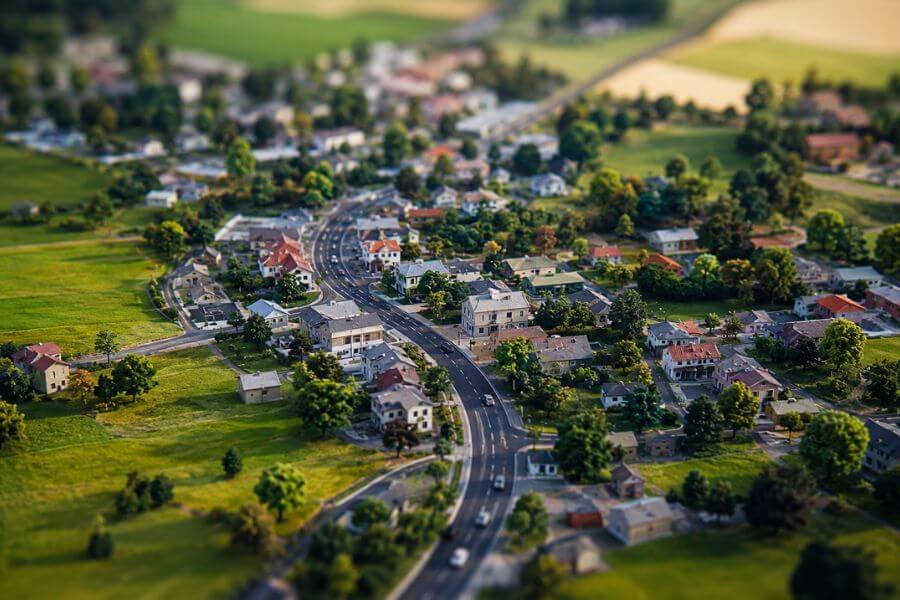
Australia’s regional towns are changing fast. More people are leaving crowded capital cities and moving to places that offer cheaper housing, better lifestyles, strong job opportunities, and more space to breathe. In 2026, regional Australia is no longer just a quiet alternative to city life. Many towns are becoming major hubs for business, tourism, renewable energy, technology, agriculture, and remote work.
If you are thinking about relocating, investing in property, starting a business, or simply keeping an eye on Australia’s future growth areas, these regional towns deserve your attention. Some are booming because of infrastructure projects, while others are attracting families and professionals looking for a better work-life balance.
In this guide, you will discover ten of the fastest-growing regional towns in Australia and why they are gaining so much momentum heading into 2026.
Quick Summary Table 📊
| Town | State | Why It’s Growing | Best For |
|---|---|---|---|
| Ballarat | Victoria | Tech growth and affordable housing | Families and professionals |
| Toowoomba | Queensland | Infrastructure and logistics boom | Business and transport |
| Orange | New South Wales | Food, wine, and healthcare expansion | Lifestyle seekers |
| Bendigo | Victoria | Strong arts and education sector | Remote workers |
| Busselton | Western Australia | Tourism and airport upgrades | Coastal living |
| Tamworth | New South Wales | Agriculture and regional business growth | Families and investors |
| Mount Gambier | South Australia | Manufacturing and forestry industries | Affordable living |
| Geraldton | Western Australia | Renewable energy projects | Career opportunities |
| Wagga Wagga | New South Wales | Education and defence investment | Students and workers |
| Devonport | Tasmania | Tourism and shipping growth | Sea change lifestyle |
How We Ranked These Towns 🧭
We looked at several important factors to identify the regional towns showing the strongest growth potential in 2026:
- Population growth trends
- New infrastructure projects
- Job creation and business activity
- Housing demand and affordability
- Lifestyle appeal and liveability
- Tourism and local economy strength
- Access to healthcare and education
- Transport and connectivity improvements
- Future investment opportunities
- Community development and long-term sustainability
1. Ballarat, Victoria 🚂
Ballarat continues to stand out as one of Australia’s strongest regional success stories. Located around 90 minutes from Melbourne, the city has become a popular destination for people wanting a more affordable lifestyle without losing access to major city opportunities.
One of Ballarat’s biggest advantages is its growing technology and education sector. New business hubs, co-working spaces, and digital industries are helping attract younger professionals and remote workers. The train connection to Melbourne also makes commuting realistic for many residents.
Families are moving to Ballarat because housing remains more affordable than in Melbourne while still offering excellent schools, parks, healthcare services, and shopping areas. The city also has a strong arts and cultural scene that gives it a lively and welcoming atmosphere.
Property demand in Ballarat has continued rising, and many experts believe the town still has room for long-term growth in 2026 and beyond.
2. Toowoomba, Queensland 🚛
Toowoomba has transformed into one of Queensland’s most important inland cities. Often called the gateway to regional Queensland, the city has experienced major growth thanks to infrastructure investment and transport developments.
The Toowoomba Bypass and expanding logistics industry have made the city a key freight and business centre. This has created thousands of jobs across transport, construction, warehousing, and professional services.
Toowoomba also offers a relaxed lifestyle with larger homes, less traffic, and a strong sense of community. Families are especially attracted to the area because of its quality schools and growing healthcare sector.
The local economy is becoming more diverse each year, which helps make the city more stable and attractive for long-term residents and investors alike.
3. Orange, New South Wales 🍷
Orange has become one of regional Australia’s most desirable lifestyle destinations. Known for its cool climate, award-winning wineries, and excellent food culture, the town has attracted both tourists and new residents in huge numbers.
But Orange is not only about lifestyle. The healthcare and mining industries provide strong employment opportunities, while local businesses continue expanding as the population grows.
One of the reasons people love Orange is the balance it offers. You can enjoy modern cafes, restaurants, schools, and hospitals while still living close to beautiful countryside and vineyards.
The town’s popularity with remote workers and retirees is expected to continue increasing throughout 2026, especially as more Australians prioritise lifestyle and flexibility over big city living.
4. Bendigo, Victoria 🎨
Bendigo has quietly developed into one of Victoria’s most dynamic regional centres. The city combines historic charm with modern growth, making it attractive to a wide range of people.
The arts and education sectors are major drivers of growth in Bendigo. The city regularly hosts cultural events, exhibitions, and festivals that attract visitors from across the country. At the same time, expanding schools and training facilities are bringing more students and workers into the area.
Remote workers are also helping fuel Bendigo’s growth because the city offers affordable homes, strong internet infrastructure, and a relaxed lifestyle compared to Melbourne.
Bendigo’s café culture, historic streets, and family-friendly atmosphere continue making it one of the most appealing regional cities in Australia.
5. Busselton, Western Australia 🌊
Busselton has become one of the fastest-growing coastal towns in Western Australia. Famous for its beautiful beaches and iconic jetty, the town is attracting both tourists and permanent residents at an impressive pace.
The expansion of Busselton Margaret River Airport has opened the region to more domestic travel, which has boosted tourism and local business activity. Hospitality, accommodation, and retail industries are all benefiting from the increase in visitors.
Lifestyle is a huge reason why people move to Busselton. The town offers a slower pace of life while still providing excellent cafes, schools, healthcare facilities, and recreational activities.
Many families and retirees see Busselton as a perfect balance between relaxed coastal living and modern convenience.
6. Tamworth, New South Wales 🎸
Tamworth is widely known as Australia’s country music capital, but there is much more happening behind the scenes. The city has experienced strong growth thanks to agriculture, education, and regional business development.
Tamworth serves as a major service hub for surrounding rural communities, creating steady demand for healthcare workers, teachers, tradespeople, and business professionals.
The city’s airport and transport links also help connect it to larger markets, making it attractive for businesses looking to expand outside capital cities.
Housing in Tamworth remains relatively affordable, which continues drawing families and younger workers looking for better value and more space.
7. Mount Gambier, South Australia 🌲
Mount Gambier is becoming one of South Australia’s most underrated growth areas. Located near the Victorian border, the city benefits from strong forestry, agriculture, and manufacturing industries.
The region’s natural beauty is also helping attract tourists and new residents. Attractions like the Blue Lake and surrounding national parks have boosted tourism and local business opportunities.
Many people are choosing Mount Gambier because it offers affordable housing and a peaceful lifestyle while still providing modern services and infrastructure.
The city’s economy is becoming more diverse, which is helping support long-term growth and stability heading into 2026.
8. Geraldton, Western Australia ⚡
Geraldton is quickly gaining attention as a future renewable energy powerhouse. Large-scale green energy and infrastructure projects are creating new employment opportunities and attracting investment into the region.
The town also has strong industries in fishing, mining, and tourism, giving it a more balanced economy than many smaller regional areas.
Geraldton’s coastal lifestyle is another major advantage. Residents enjoy beautiful beaches, warm weather, and a more affordable property market compared to Perth.
As renewable energy projects continue developing, Geraldton is expected to play an even bigger role in Western Australia’s economy over the coming years.
9. Wagga Wagga, New South Wales 🏡
Wagga Wagga continues to grow because of its strong education, defence, and healthcare sectors. Often called the heart of the Riverina, the city has become one of inland New South Wales’ most important regional centres.
Charles Sturt University and defence training facilities bring thousands of students and workers into the area each year. This helps support local businesses, rental demand, and infrastructure development.
The city is also known for its balanced lifestyle. Residents enjoy wide open spaces, sporting facilities, cafes, schools, and a strong community spirit.
For people wanting regional affordability without giving up modern conveniences, Wagga Wagga remains one of the best choices in Australia.
10. Devonport, Tasmania ⛴️
Devonport is emerging as one of Tasmania’s fastest-growing regional towns thanks to tourism, shipping, and lifestyle migration.
As the main arrival point for the Spirit of Tasmania ferry, Devonport benefits from steady visitor traffic throughout the year. Tourism businesses, restaurants, accommodation providers, and retail stores are all seeing growth.
The town also appeals to people looking for a sea change lifestyle. Tasmania’s cooler climate, natural scenery, and slower pace of life are attracting both retirees and younger families.
Infrastructure upgrades and waterfront development projects are helping modernise Devonport while maintaining its relaxed coastal charm.
Conclusion 🌟
Regional Australia is entering an exciting new phase in 2026. More people are discovering that you do not need to live in a major city to enjoy career opportunities, modern services, and an excellent quality of life.
From coastal hotspots like Busselton and Devonport to growing inland centres like Toowoomba and Ballarat, these towns are shaping the future of regional living across Australia.
Whether you are planning to relocate, invest in property, start a business, or simply explore new opportunities, keeping an eye on these fast-growing regional towns could be one of the smartest decisions you make in 2026.
Frequently Asked Questions ❓
Which regional town in Australia has the best job opportunities?
Toowoomba, Geraldton, and Wagga Wagga currently offer some of the strongest job markets because of infrastructure projects, healthcare growth, education, logistics, and renewable energy industries.
Are regional towns in Australia cheaper to live in than capital cities?
In most cases, yes. Housing prices and rental costs are generally lower in regional towns compared to cities like Sydney and Melbourne. However, prices are rising in popular growth areas.
Is regional Australia good for remote workers?
Absolutely. Many regional towns now offer reliable internet, co-working spaces, and strong lifestyle benefits that appeal to remote workers seeking a better work-life balance.
Which coastal regional town is growing the fastest?
Busselton is one of the fastest-growing coastal towns due to tourism expansion, airport upgrades, and increasing lifestyle migration from larger cities.
Are regional towns a good property investment in 2026?
Many experts believe certain regional towns still offer strong long-term investment potential because of population growth, infrastructure development, and rising housing demand.