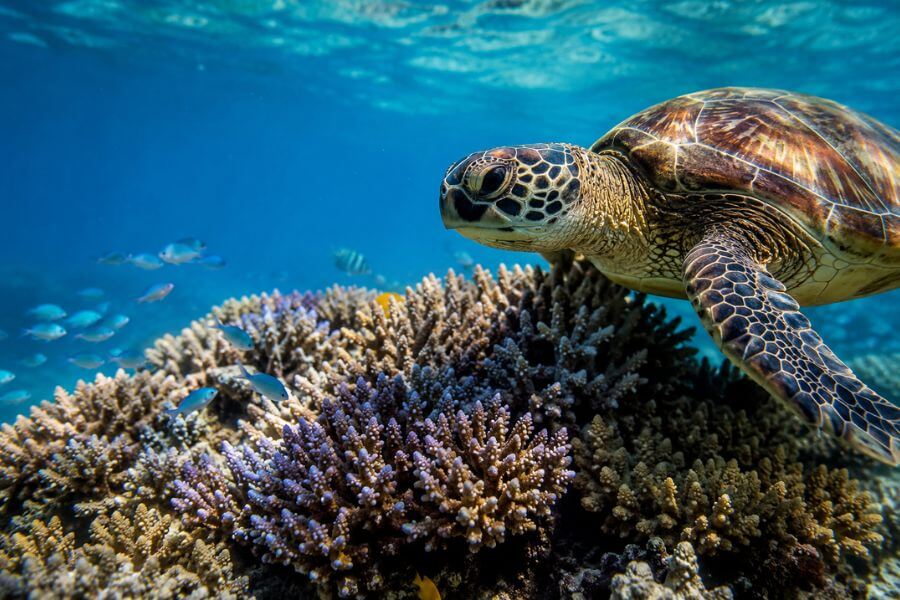
The Great Barrier Reef is one of Australia’s most incredible natural wonders. Stretching across more than 2,300 kilometres along Queensland’s coast, it is home to colourful coral reefs, tropical fish, turtles, dolphins, and thousands of marine species. Visiting the reef is often a once-in-a-lifetime experience, but the way you explore it matters more than many people realise.
Coral reefs are delicate ecosystems. Pollution, careless tourism, climate change, and physical damage from visitors can all harm the reef. The good news is that you can still enjoy the beauty of the Great Barrier Reef while helping protect it for future generations.
In this guide, you will discover the best eco-friendly ways to experience the reef without causing damage. Whether you want to snorkel, dive, cruise, or simply admire the reef from above, there are responsible ways to do it while still having an unforgettable adventure.
Quick Summary Table 🐠
| No. | Experience | Why It’s Reef-Friendly | Best For |
|---|---|---|---|
| 1 | Choose eco-certified tour operators | Supports sustainable tourism | Responsible travellers |
| 2 | Snorkel instead of touching coral | Prevents physical reef damage | First-time visitors |
| 3 | Use reef-safe sunscreen | Reduces harmful chemicals in water | Beach lovers |
| 4 | Take a glass-bottom boat tour | Minimal contact with marine life | Families |
| 5 | Visit outer reef pontoons responsibly | Controlled tourism areas | Day trips |
| 6 | Go scuba diving with trained guides | Encourages safe underwater behaviour | Adventure seekers |
| 7 | Experience the reef from the air | No direct reef impact | Photographers |
| 8 | Support marine conservation programs | Helps protect reef ecosystems | Eco-conscious visitors |
| 9 | Avoid litter and single-use plastics | Keeps waterways clean | Every traveller |
| 10 | Respect wildlife viewing distances | Protects marine animals from stress | Nature lovers |
How We Ranked These Experiences 🐢
We selected these experiences based on several important factors that help protect the reef while still giving you an amazing travel experience.
- Environmental impact on coral and marine life
- Support for sustainable tourism practices
- Educational value for visitors
- Safety for both travellers and wildlife
- Accessibility for different budgets and ages
- Long-term benefits for reef conservation
- Overall visitor experience and enjoyment
1. Choose Eco-Certified Tour Operators 🚤
One of the easiest ways to protect the Great Barrier Reef is by choosing tour companies that follow eco-friendly practices. Many operators now work closely with marine scientists and conservation groups to reduce environmental harm.
Eco-certified tours often use moorings instead of anchors, which prevents coral damage. They also educate visitors about reef safety and responsible behaviour before entering the water.
When you travel with an environmentally responsible company, your money supports businesses that actively care for the reef. Many of these operators also contribute to coral restoration projects and marine research.
You still get the same incredible reef experience, but with the peace of mind that your visit is helping rather than hurting the environment.
2. Snorkel Without Touching Coral 🤿
Snorkelling is one of the best ways to explore the reef up close, but it is important to remember that coral is alive. Even a small touch from your hand, fins, or knees can damage delicate coral structures that have taken decades to grow.
Try to float calmly above the reef and keep a safe distance from coral formations. Good buoyancy control makes a huge difference. If you are not confident in the water, wearing a flotation vest can help you stay balanced without kicking the reef.
You should also avoid standing on coral or chasing marine animals while snorkelling. Respectful behaviour keeps the reef healthy and creates a better experience for everyone.
3. Use Reef-Safe Sunscreen ☀️
Many regular sunscreens contain chemicals that can harm coral reefs and marine life. These chemicals wash off your skin into the ocean and may contribute to coral bleaching and pollution.
Reef-safe sunscreen is designed to reduce environmental damage while still protecting your skin from Australia’s harsh sun. Mineral-based sunscreens are often the best option because they contain fewer harmful ingredients.
You can also reduce sunscreen use by wearing long-sleeved swimwear, rash guards, hats, and UV-protective clothing. This helps both your skin and the reef.
A small change in the products you use can make a surprisingly big difference over time.
4. Take a Glass-Bottom Boat Tour 🛥️
Not everyone wants to snorkel or dive, and that is perfectly fine. Glass-bottom boat tours allow you to admire coral gardens and marine life without entering the water at all.
These tours are excellent for families with young children, older travellers, or visitors who are not confident swimmers. You still get amazing views of tropical fish, giant clams, turtles, and colourful coral formations.
Because there is very little physical interaction with the reef, glass-bottom tours are considered one of the lower-impact ways to experience the Great Barrier Reef.
Many tours also include educational commentary, which helps you learn more about reef conservation while enjoying the scenery.
5. Visit Outer Reef Pontoons Responsibly 🪸
Outer reef pontoons are floating platforms positioned in carefully managed reef areas. They give visitors access to snorkelling, diving, and marine viewing experiences while helping control tourism activity.
These platforms are designed to reduce widespread reef disturbance by concentrating visitor activity in monitored zones. Many pontoons include safety briefings, guided tours, and supervised activities.
To minimise your impact, always follow staff instructions, avoid feeding fish, and stick to designated swimming areas. Responsible behaviour helps protect these popular reef locations from overcrowding and damage.
When managed properly, pontoons allow large numbers of people to experience the reef while limiting environmental stress.
6. Go Scuba Diving with Trained Guides 🐙
Scuba diving offers one of the most breathtaking ways to experience the reef, but it should always be done responsibly. Diving with experienced guides helps ensure both your safety and the protection of marine ecosystems.
Professional dive operators teach divers how to maintain proper buoyancy so they do not accidentally kick or touch coral. Guided dives also reduce the risk of disturbing marine animals.
If you are new to diving, choosing a beginner-friendly eco-tour is a smart option. You can enjoy the underwater world while learning good reef habits from the start.
The reef feels even more magical when you know you are exploring it responsibly.
7. Experience the Reef from the Air 🚁
Scenic flights provide a completely different perspective of the Great Barrier Reef. From above, you can see massive coral formations, turquoise lagoons, tiny islands, and swirling sandbanks that are impossible to fully appreciate from sea level.
Helicopter and small aircraft tours create almost no direct impact on the reef itself. They are perfect if you want spectacular views without entering sensitive marine areas.
Aerial tours are especially popular around Heart Reef and the Whitsundays. The colours and patterns of the reef from the sky are unforgettable.
For photographers and nature lovers, this is one of the most incredible ways to appreciate the reef’s true scale and beauty.
8. Support Marine Conservation Programs 🧪
Some reef experiences allow you to participate in citizen science and conservation activities. These programs help researchers monitor reef health, marine species, and environmental changes.
You may have opportunities to assist with coral surveys, marine debris clean-ups, or educational workshops. Even small contributions can help scientists gather valuable information.
Supporting conservation tourism creates a deeper connection with the reef because you are actively helping protect it rather than simply observing it.
It also makes your trip more meaningful and memorable.
9. Avoid Litter and Single-Use Plastics 🧃
Plastic pollution is a major threat to marine environments around the world. Even small items like bottle caps, food wrappers, and plastic straws can end up harming turtles, fish, and seabirds.
Bringing reusable water bottles, shopping bags, and containers helps reduce waste during your trip. Always dispose of rubbish properly, especially near beaches and marinas.
If you see litter while visiting the reef, picking it up safely can make a positive difference. Responsible tourism starts with simple habits.
Keeping the reef clean helps preserve its beauty for future visitors and marine life alike.
10. Respect Wildlife Viewing Distances 🐋
The Great Barrier Reef is home to turtles, dolphins, rays, reef sharks, whales, and countless other marine creatures. Watching these animals in their natural habitat is exciting, but they should never feel threatened or chased.
Always keep a respectful distance from wildlife and avoid touching or feeding animals. Sudden movements and loud behaviour can stress marine creatures and disrupt their natural patterns.
Responsible wildlife encounters are safer for both animals and visitors. You are far more likely to see natural behaviour when animals feel calm and undisturbed.
Sometimes the best travel experiences come from quietly observing nature rather than interacting with it directly.
Conclusion 🌏
The Great Barrier Reef is one of the world’s most precious natural treasures, and every visitor plays a role in protecting it. The choices you make during your trip can either help preserve the reef or contribute to its decline.
Thankfully, you do not need to sacrifice adventure to travel responsibly. From eco-certified tours and reef-safe sunscreen to scenic flights and conservation programs, there are many amazing ways to experience the reef while minimising your environmental impact.
By travelling thoughtfully, you help ensure future generations can continue to enjoy the beauty, wildlife, and wonder of the Great Barrier Reef for years to come.
Frequently Asked Questions ❓
Is it safe to visit the Great Barrier Reef during stinger season?
Yes, but you should follow local safety advice. Many tour operators provide protective stinger suits during jellyfish season, especially in warmer months. Swimming in designated areas and listening to guides will help keep you safe.
What is the best time of year to visit the Great Barrier Reef?
The reef can be visited year-round, but many travellers prefer the dry season from June to October for calmer weather, clearer water, and comfortable temperatures.
Can beginners snorkel or dive at the reef?
Absolutely. Many reef tours are designed specifically for beginners. Guides provide safety instructions, equipment, and support to help first-time visitors feel comfortable in the water.
Are there eco-friendly accommodation options near the reef?
Yes. Many resorts and lodges in Queensland now focus on sustainability by reducing waste, conserving water, and supporting local conservation efforts.
Why is coral bleaching happening on the Great Barrier Reef?
Coral bleaching mainly occurs because of rising ocean temperatures linked to climate change. When water becomes too warm, coral becomes stressed and loses the algae that give it colour and nutrients.