If you are an experienced diver looking for the next unforgettable underwater adventure, the Coral Sea delivers some of the most thrilling dives on the planet. Located off the coast of Queensland, this massive stretch of ocean is famous for dramatic walls, shark encounters, crystal clear visibility, deep drop-offs, and untouched reefs bursting with marine life.
Unlike beginner-friendly reef locations closer to shore, many Coral Sea dive sites are remote and exposed to stronger currents and deeper waters. That is exactly what makes them so exciting. You can drift along giant sea fans, descend beside vertical cliffs, and come face to face with schools of barracuda, hammerheads, grey reef sharks, and giant trevally.
In this guide, you will discover the top 10 best dive sites in the Coral Sea for experienced divers, along with what makes each site special and why they deserve a spot on your dive bucket list.
Quick Summary Table 🐠
| Dive Site | Best Known For | Difficulty Level | Highlights |
|---|---|---|---|
| Osprey Reef | Shark action | Advanced | Shark feeding, steep walls |
| Bougainville Reef | Dramatic coral walls | Advanced | Caverns and giant gorgonians |
| Holmes Reef | Remote diving | Advanced | Clear water and pelagics |
| Ribbon Reefs | Diverse marine life | Intermediate to Advanced | Cod Hole and drift dives |
| Shark Reef | Big predator encounters | Advanced | Grey reef sharks |
| North Horn | Iconic shark dive | Advanced | Strong currents and large sharks |
| Flare Point | Deep wall diving | Advanced | Huge coral formations |
| Tijou Reef | Macro and pelagics | Advanced | Soft corals and turtles |
| Cod Hole | Giant potato cod | Intermediate to Advanced | Close marine encounters |
| Yongala Wreck | Historic wreck diving | Advanced | Massive marine biodiversity |
How We Ranked These Dive Sites ⚓
To create this list, we focused on the experiences that matter most to skilled divers who want more than just a casual reef swim.
Key factors included:
- Water visibility and overall dive conditions
- Marine biodiversity and chances of large animal encounters
- Reef health and coral quality
- Depth and technical challenge
- Current strength and drift opportunities
- Uniqueness of the underwater landscape
- Reputation among experienced divers
- Accessibility through liveaboards or dive charters
- Opportunities for repeat dives without feeling repetitive
- Overall excitement and adventure level
1. Osprey Reef 🦈
Osprey Reef is often considered the crown jewel of Coral Sea diving. Located far offshore, this reef rises dramatically from deep ocean waters and delivers the kind of adrenaline-packed dives that experienced divers dream about.
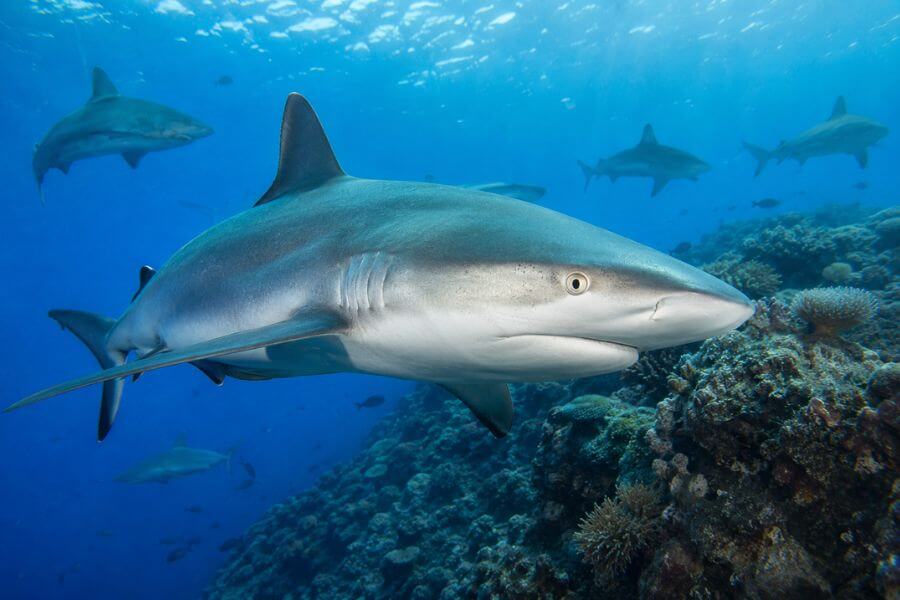
The biggest attraction here is shark activity. You can regularly spot grey reef sharks, silvertips, hammerheads, and whitetip reef sharks circling through the blue water. Visibility often exceeds 40 metres, making every encounter feel even more dramatic.
The reef walls are breathtaking. They plunge into the deep ocean and are covered with colourful soft corals, giant sea fans, and dense schools of fish. Strong currents are common, which adds excitement but also means this site is best suited to confident divers.
North Horn, located within Osprey Reef, is especially famous for shark feeding dives that attract huge numbers of predators at once. It is one of the most legendary shark dives in Australia.
2. Bougainville Reef 🪸
Bougainville Reef combines stunning coral scenery with exciting underwater terrain. This remote reef system features swim-throughs, caves, and steep walls that make every dive feel adventurous.
The coral formations here are among the healthiest in the Coral Sea. Massive hard corals mix with vibrant soft corals to create an incredibly colourful environment. Large schools of trevally and barracuda frequently move through the area, while turtles and reef sharks are common sightings.
Experienced divers love the reef’s dramatic topography. You can weave through narrow passages, explore overhangs, and drift along walls that disappear into the deep blue below.
Because the reef is isolated, dive traffic is relatively low. That means you often get a much more untouched and peaceful diving experience compared to busier reef systems.
3. Holmes Reef 🐢
Holmes Reef is ideal if you enjoy remote diving with excellent visibility and a strong sense of exploration. Located far from the mainland, this reef offers pristine underwater conditions and healthy marine ecosystems.
One of the biggest highlights is the feeling of isolation. When you dive here, it feels like you are entering a hidden world far away from civilisation. The water clarity is exceptional, allowing you to fully appreciate the reef walls and marine life.
Pelagic species are a major attraction. Divers commonly encounter tuna, giant trevally, reef sharks, and occasionally manta rays. The reef structure itself is beautiful, with coral gardens stretching across plateaus before dropping into deep ocean trenches.
Currents can become strong and unpredictable, so good buoyancy control and drift diving experience are important.
4. Ribbon Reefs 🐡
The Ribbon Reefs stretch along the outer edge of the Great Barrier Reef and offer some of the most diverse diving in northern Australia. Although some sites are suitable for intermediate divers, many areas are best enjoyed by experienced divers due to deeper profiles and current conditions.
One of the greatest strengths of the Ribbon Reefs is variety. You can experience coral gardens, dramatic walls, drift dives, shark encounters, and macro life all within the same trip.
Marine biodiversity here is incredible. Expect schools of fusiliers, giant clams, moray eels, turtles, reef sharks, and vibrant coral landscapes. Night dives are also exceptional, with plenty of nocturnal activity.
The area is especially popular on liveaboard trips because there are so many different dive sites packed into one region.
5. Shark Reef 🐬
Shark Reef lives up to its name. This site is famous for consistent shark sightings and fast-moving pelagic action that keeps experienced divers coming back.
Grey reef sharks dominate the area, often appearing in large numbers as they patrol the reef edges. Barracuda schools and giant trevally are also common, especially when currents pick up.
The underwater landscape features steep drop-offs and coral-covered ledges. Visibility is usually excellent, which makes the open water encounters feel even more intense.
Drift diving conditions are common here. You need to stay alert and maintain good control throughout the dive, particularly during stronger current periods.
For divers who enjoy action-packed underwater experiences, Shark Reef is hard to beat.
6. North Horn 🐋
North Horn deserves its own spot on this list because it is one of the most iconic dive locations in Australia. Situated at Osprey Reef, this site is internationally famous for its shark diving experiences.
What makes North Horn so special is the concentration of large marine predators. Under the right conditions, you may see dozens of sharks in a single dive, including grey reef sharks, silvertips, and hammerheads.
The reef edge drops sharply into the deep ocean, creating dramatic scenery and attracting pelagic species from surrounding waters. Strong currents can make the dives demanding, but they are also part of what brings so much marine life into the area.
Many experienced divers describe North Horn as one of the most thrilling shark dives anywhere in the world.
7. Flare Point 🔥
Flare Point is known for spectacular wall diving and huge coral formations that create a truly cinematic underwater environment.
The walls here are covered in colourful soft corals and giant sea fans that sway with the current. Schools of anthias and fusiliers fill the water column, while larger predators cruise nearby.
This site is particularly rewarding for photographers because the visibility and coral density create stunning wide-angle scenes. The deep blue backdrop adds even more drama to every dive.
Currents can become challenging, and the deeper sections require careful monitoring of bottom time and air consumption. Experienced divers who enjoy deep reef exploration will find plenty to love here.
8. Tijou Reef 🦑
Tijou Reef offers an exciting mix of macro life and larger pelagic encounters. This combination makes it especially appealing for divers who enjoy spotting both tiny reef creatures and big ocean predators during the same trip.
The soft corals here are beautiful and colourful, especially during periods of strong water movement. Turtles are common visitors, and reef sharks frequently patrol the outer edges.
One of the best parts about Tijou Reef is the diversity of dive styles available. Some areas are calm and perfect for slow exploration, while others feature stronger currents and more advanced drift conditions.
Because it is less talked about than some famous Coral Sea sites, Tijou Reef often feels quieter and more exclusive.
9. Cod Hole 🐟
Cod Hole is one of Australia’s most famous dive sites thanks to its giant potato cod that interact closely with divers. While parts of the site are suitable for intermediate divers, experienced divers tend to appreciate the surrounding deeper reef systems and drift opportunities even more.
The potato cod are enormous and surprisingly curious. Encounters can feel incredibly personal, making this site memorable even for divers who have travelled extensively.
Beyond the cod, the reef itself is packed with marine life. You can spot reef sharks, turtles, giant clams, and schools of tropical fish moving across the coral landscape.
Conditions are usually calmer compared to some outer Coral Sea sites, making Cod Hole a great option when you want a slightly more relaxed but still rewarding dive experience.
10. Yongala Wreck ⚓
The Yongala Wreck is one of the best wreck dives in the world and easily earns a place on this list. Located off the Queensland coast, this historic shipwreck has transformed into an underwater ecosystem bursting with life.
The wreck attracts massive schools of fish, giant groupers, sea snakes, eagle rays, and large bull sharks. The biodiversity here is astonishing. Many divers finish a Yongala dive feeling like they have visited an underwater city.
The wreck itself sits in relatively deep water, and currents can be strong, so advanced certification and solid experience are strongly recommended.
Unlike coral reef dives, Yongala combines history with marine exploration. Every section of the wreck tells a story while also supporting thriving ocean life.
Conclusion 🌅
The Coral Sea is one of the most exciting diving destinations on Earth for experienced divers. Its remote reefs, dramatic walls, strong currents, and incredible marine encounters create adventures that go far beyond ordinary reef diving.
Whether you want to descend beside shark-filled drop-offs at Osprey Reef, photograph colourful walls at Flare Point, or explore the legendary Yongala Wreck, the Coral Sea offers unforgettable underwater experiences for every type of advanced diver.
These dive sites reward confidence, skill, and a sense of adventure. If you are ready to push beyond beginner reef diving and experience the wild side of Australia’s underwater world, the Coral Sea should absolutely be on your bucket list.
Frequently Asked Questions ❓
What certification level is recommended for Coral Sea diving?
Most Coral Sea dive sites are best suited to Advanced Open Water divers or higher. Many sites involve deeper dives, stronger currents, and remote conditions that require solid diving experience.
What is the best time of year to dive in the Coral Sea?
The best diving conditions are generally between September and December when visibility is excellent, and water temperatures are comfortable. Weather conditions are usually more stable during this period as well.
Are liveaboards necessary for Coral Sea dive trips?
Yes, many of the top Coral Sea dive sites are remote and only accessible through liveaboard trips. These trips allow you to reach offshore reefs that day boats cannot easily access.
Can you see sharks on most Coral Sea dives?
Shark sightings are extremely common in the Coral Sea, especially at sites like Osprey Reef and Shark Reef. Divers frequently encounter grey reef sharks, silvertips, hammerheads, and whitetips.
Is Coral Sea diving suitable for underwater photography?
Absolutely. The Coral Sea offers excellent visibility, colourful coral formations, dramatic reef walls, and abundant marine life, making it one of the best places in Australia for underwater photography.