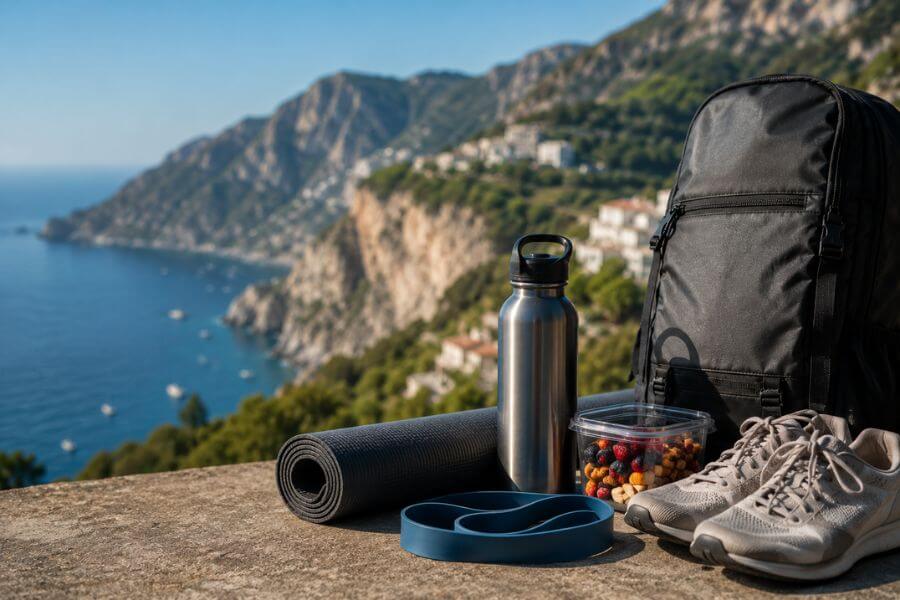
Key Takeaways
- Prep is everything: Successful travel health starts before you pack, from mapping out water sources to scoping local grocery stores.
- Micro-steps matter: Tiny, consistent habits like short bodyweight movements and carries keep your body tuned up without a gym membership.
- Hydration is non-negotiable: Travel saps fluid fast. Carrying a reusable bottle and balancing electrolytes prevents fatigue.
- Sleep builds the foundation: Blackout masks, white noise apps, and consistent bedtimes protect your immune system in strange rooms.
- Flexibility wins: Adjusting to local food options and changing schedules keeps your mental health high and stress low.
Imagine waking up in a new city every month. The views change, the streets smell different, and your morning routine gets flipped upside down. Traveling the world while working or learning is an incredible adventure. But let us be honest for a second. It is also really hard on your body. When your bed, your kitchen, and your time zones keep shifting, your health is usually the first thing to get left behind. You do not have to choose between exploring the globe and feeling awesome. You can absolutely maintain top wellness while living out of a backpack. It just takes a smart plan, a few clever habits, and the right mindset. Let us dive into exactly how you can stay vibrant, fully energized, and ready for adventure no matter where your feet land.
The Golden Rules of Mobile Nutrition
Eating well while hopping from one place to the next feels like a puzzle. You do not have your favorite neighborhood grocery store around the corner. You do not have a pantry stocked with familiar labels. Instead, you face airport snack stalls, fast-food chains, and menus written in languages you might not speak. It is incredibly tempting to just grab whatever is fast and comforting. But relying on heavy, fried tourist food will quickly drain your energy. It leaves you feeling sluggish when you want to be out exploring.
To win the food game on the road, you need to think like a local rather than a tourist. The moment you arrive in a new spot, make it a mission to find the nearest fresh market or small grocery shop. Look for places where everyday people buy their ingredients. Stocking up on simple things like fresh fruit, nuts, and raw vegetables gives you an instant safety net. When you have a bag of apples or a container of almonds in your daypack, you are no longer at the mercy of expensive airport vending machines.
Another major challenge is getting enough protein. Protein keeps your muscles strong and helps you stay full for hours. When we travel, we tend to eat a lot of heavy carbohydrates like breads, pastries, and noodles because they are quick and cheap. Balance things out by intentionally seeking out lean proteins. Look for eggs, grilled chicken, fish, beans, or tofu. If your accommodation has a small kitchen or even just a mini-fridge, use it to your advantage. Cooking even one simple meal a day saves you money and gives you total control over what goes into your body.
Navigating Menus and Street Food
Eating out is one of the best parts of travel. You should never miss out on cultural food experiences just because you are trying to stay healthy. The secret is balance and smart choices. When browsing a menu, look for words that describe how the food is prepared. Go for items that are baked, grilled, steamed, or roasted. Try to limit dishes that are deep-fried or swimming in heavy, creamy sauces.
Street food is often a fantastic, budget-friendly option that is fresher than restaurant food because the turnaround is so fast. Just watch the vendor for a minute before you buy. Is the stall busy with a long line of locals? That is a great sign because it means the food is fresh and moving quickly. Is the cooking surface clean? Are they keeping raw items separate from cooked ones? Trust your gut and enjoy the local flavors safely.
Designing a Portable Snack Kit
Never travel empty-handed. A proper snack kit is your ultimate shield against hanger, that terrible mix of hunger and anger that leads to poor food choices. Pick snacks that do not spoil quickly, can survive being tossed around in a backpack, and provide lasting energy.
- Raw nuts and seeds: Almonds, walnuts, pumpkin seeds, and cashews pack healthy fats and protein into a tiny space.
- Dried fruit: Raisins, dried mango slices, and figs satisfy a sweet tooth without added refined sugars. Just watch the portion sizes.
- Nut butter packets: Single-serve pouches of peanut or almond butter are perfect for squeezing onto an apple or a slice of local bread.
- Whole fruit with natural armor: Bananas, oranges, and avocados come in their own protective skins, making them clean and travel-friendly.
- Oatmeal packets: Plain instant oatmeal takes up almost zero space. All you need is hot water from a café or hotel kettle for a solid breakfast.
Balancing Macronutrients in Transit
When you are sitting on planes, trains, or buses for hours, your body does not need massive amounts of quick energy from heavy carbs. It needs building blocks and steady fuel. Try to structure your transit meals around a simple three-part system.
Fill a portion of your plate or snack box with colorful vegetables or fruit for vitamins. Add a portion of solid protein to protect your muscles and keep hunger away. Round it out with a small amount of healthy fats or complex grains for slow-burning energy. This approach keeps your blood sugar stable, which means you will avoid those awful mid-afternoon energy crashes.
Mastering Hydration in the Air and on the Ground
Water is the literal fuel for every single cell in your body. When you are dehydrated, everything feels twice as hard. Your head hurts, your muscles feel weak, your digestion slows down, and your brain feels foggy. Yet, staying hydrated is one of the toughest parts of a nomadic lifestyle. Airplanes are notorious for having incredibly dry air that steals moisture from your body with every breath. Walking through hot, sunny markets or carrying heavy bags causes you to sweat out fluids without realizing it.
The first step to winning the hydration battle is carrying a high-quality, reusable water bottle everywhere you go. It should be strong, leak-proof, and comfortable to carry. If you are traveling to places where tap water is unsafe, look into bottles that have built-in purification filters. These let you safely fill up from any tap, river, or public fountain, saving you money and reducing plastic waste. Make it a habit to drink a full glass of water the moment you wake up, long before you reach for a cup of coffee or tea.
Remember that hydration is not just about plain water. It is also about minerals called electrolytes, which include sodium, potassium, and magnesium. When you sweat or travel in high altitudes, you lose both water and these vital minerals. If you only drink massive amounts of plain water without replacing electrolytes, you can actually flush out too many minerals, leaving you feeling tired and weak. Carrying small packets of electrolyte powder that you can stir into your water bottle is a total lifesaver during long travel days.
Signs of Dehydration to Watch For
Your body gives you clear warning signs when it runs low on water. Do not wait until your mouth feels dry as dust to start drinking. Check in with yourself throughout the day and look for these common clues:
- Dark urine: Your urine should ideally look pale yellow, like lemonade. If it looks dark like apple juice, you need to drink water immediately.
- Unexplained tiredness: If you suddenly feel sleepy or wiped out in the middle of the day, it might be dehydration rather than lack of sleep.
- Headaches: A dull ache in your forehead or temples is a classic sign that your brain is crying out for fluids.
- Dry skin and chapped lips: The dry air in planes and air-conditioned rooms saps moisture from your skin very quickly.
- Sudden sugar cravings: Sometimes, when your body is low on water, it confuses the signal with hunger, making you crave sweet snacks.
Comparing Water Filtration Options
When you travel across borders, you cannot assume the tap water is safe to drink. Buying endless plastic bottles is bad for the environment and tough on your wallet. Let us look at a breakdown of different filtration methods you can use on the road to keep your water clean and safe.
| Filtration Type | How It Works | Big Advantages | Important Downsides |
| UV Light Purifiers | Uses ultraviolet light to destroy the DNA of bacteria and viruses. | Super fast, takes under a minute, does not change the flavor of the water. | Requires batteries or charging, does not remove dirt, sand, or chemical tastes. |
| Pump Filters | Forces water through a tiny ceramic or fiber screen to catch bugs. | Removes actual dirt and mud, handles water from rivers or streams well. | Can be bulky, requires physical effort, filters need regular cleaning. |
| Squeeze Bottles | Inline filters that clean water as you drink through a straw or squeeze. | Lightweight, very quick to use, fits easily into backpack side pockets. | Flow rate can slow down over time, filters must be replaced regularly. |
| Chemical Tablets | Drops of chlorine or iodine that kill germs in the water container. | Tiny to pack, practically weightless, very cheap to buy anywhere. | Takes thirty minutes to work, leaves a strong chemical swimming-pool taste. |
Creative Workouts Anywhere, Anytime
Who says you need a fancy gym with heavy weights and rows of machines to stay fit? The entire world can be your fitness park if you know how to look at it. When you are a nomad, consistency beats intensity every single time. It is much better to do a fifteen-minute movement session every day in your room than to hunt for a gym for three hours once a week. Working out on the road keeps your bones strong, boosts your mood, protects your posture after long sitting sessions, and gives you a burst of natural energy.
Bodyweight training, often called calisthenics, is your best friend. Your own body provides plenty of resistance to build strength and cardiovascular fitness. You can do these exercises in a tiny hostel corner, a hotel room, a public park, or a quiet beach. The key is focusing on big compound movements. These are exercises that use multiple joints and large muscle groups at the exact same time, giving you the biggest benefit for your effort.
To make things even better, you can pack a few ultra-lightweight fitness tools that take up almost zero space in your suitcase. Resistance bands are the ultimate example. They weigh less than a t-shirt but can provide as much challenge as a set of dumbbells. You can use them to work your back, shoulders, arms, and legs. Jump ropes are another incredible tool for a fast cardio workout that burns energy and sharpens your footwork in a very short amount of time.
The Ultimate No-Equipment Movement Library
Let us build a collection of powerful movements you can mix and match to create your own workouts anywhere. You do not need any machines for these, just a little bit of floor space and your own determination.
- Air Squats: Lower your hips down as if sitting in a low chair, keeping your chest up and knees tracking over your toes. This builds strong legs and hips.
- Push-ups: Keep your body in a perfectly straight line from head to heels as you lower your chest to the floor. Drop to your knees if you need to modify.
- Luggage Carries: Pick up your heavy backpack or suitcase by the handle and walk around the room or up a flight of stairs. This develops an incredibly strong grip and core.
- Mountain Climbers: Start in a push-up position and drive your knees toward your chest one at a time as fast as you can safely manage. This gets your heart pumping hard.
- Glute Bridges: Lie on your back with feet flat on the floor, then lift your hips toward the ceiling. This wakes up your backside muscles after hours of sitting.
Creating Your Own Custom Circuit
A circuit means doing a series of exercises back-to-back with very little rest in between. This format is perfect for travel because it keeps your heart rate high while building strength, giving you a complete workout in twenty minutes or less. Choose four or five exercises from your library. Perform each movement for forty seconds, rest for twenty seconds, and then move directly to the next one. Once you finish the entire list, take a one-minute break to drink some water, then repeat the whole process three times.
Embracing Functional Daily Fitness
Do not limit your fitness to official workout sessions. The most active travelers get their exercise naturally by exploring their environment. Skip the elevator and take the stairs up to that historic viewpoint or your third-floor guest house. Walk through new neighborhoods instead of taking a taxi or a subway. Go on a morning jog through a local park to see how the city wakes up. Rent a bicycle to explore a coastline. This type of movement keeps you active all day long without ever feeling like a chore.
Sleep Hygiene and Circadian Rhythm Protection
Sleep is the ultimate superpower for wellness. When you sleep deeply, your body repairs torn muscle fibers, balances your hunger hormones, clears waste from your brain, and strengthens your immune system. But travel is public enemy number one for good sleep. Crossing time zones confuses your internal clock, known as your circadian rhythm. Strange hotel noises, uncomfortable pillows, bright streetlights, and the anxiety of being in an unfamiliar environment can keep you tossing and turning all night.
To combat this, you must create a portable sleep sanctuary. This means carrying a few small items that signal to your brain that it is safe to relax and drift off, no matter where your bed happens to be. A high-quality eye mask that blocks out one hundred percent of light is completely essential. Many hotel rooms have bright electronic standby lights or thin curtains that let early morning sun flood the room. A good pair of earplugs or noise-canceling headphones can block out traffic sounds, barking dogs, or loud neighbors.
Another massive trick is keeping a consistent wind-down routine. Your brain loves patterns. If you do the exact same things in the thirty minutes before bed every night, your body will start to feel sleepy automatically, even if you are in a brand-new time zone. Turn down the bright lights in your room. Put away your smartphone and laptop, as the blue light from screens tells your brain that it is daytime. Read a physical book, do some gentle stretching, or write in a journal to clear your mind of travel stress.
Beating Jet Lag Without Medication
Jet lag happens when your internal body clock is out of sync with the actual sun outside. The fastest way to reset this clock is using natural sunlight and strategic eating. When you land in a new time zone, try your absolute best to stay awake until a normal local bedtime.
Get outside into the bright morning sunlight as soon as possible. The sun hits special receptors in your eyes that tell your brain to stop producing melatonin, the hormone that makes you sleepy. On the flip side, keep things very dark in the evening to encourage melatonin to return naturally.
Comparing Sleep Support Tools
Let us take a look at a few common travel sleep tools you can pack. Seeing how they compare helps you choose the right ones for your specific style of movement.
| Tool Name | What It Does | Why It Helps | What to Watch For |
| Contoured Sleep Mask | Blocks light without pressing flat against your eyelids. | Allows your eyes to move naturally during deep sleep, completely cuts out annoying light. | Can feel warm in tropical climates, straps can lose stretch over time. |
| Silicone Earplugs | Molds directly to the shape of your ear canal to block high-frequency noise. | Stays in place better than foam plugs, blocks out snoring or street shouting. | Needs regular cleaning with soap to avoid ear irritation. |
| White Noise App | Plays steady background sounds like rain, ocean waves, or fan hums. | Drowns out sudden sharp noises like car horns or slamming doors down the hall. | Drains your phone battery overnight if it is not plugged into a charger. |
| Magnesium Powder | A mineral supplement you mix with warm water before sleeping. | Helps relax tight muscles and calms a racing mind before bed. | Can cause stomach upset if you take way too much at once. |
Mental Wellness and Avoiding Travel Burnout
People often look at travel photos on social media and assume the nomadic life is pure paradise. They see the sunny beaches, the beautiful cafes, and the historic landmarks. What they do not see is the hidden stress. Dealing with visa paperwork, lost baggage, unreliable internet connections, language barriers, and loneliness can take a massive toll on your mental health. Travel burnout is a very real thing. It happens when the constant stimulation and change overwhelm your nervous system, leaving you feeling exhausted, irritable, and disconnected.
To protect your mind, you must learn the art of slow travel. Constantly moving to a new city every three days is exhausting over the long haul. Try staying in one location for a month or more instead. This allows you to build a temporary routine, find a favorite coffee shop, make local friends, and unpack your bags for a while. It transforms travel from a hectic vacation into a sustainable, beautiful lifestyle.
Do not forget to schedule actual rest days. Just because you are in a famous city does not mean you have to visit a museum or monument every single hour. It is completely okay to spend a rainy Tuesday inside watching your favorite movies, cooking a simple meal, and doing absolutely nothing. Give yourself permission to rest without feeling guilty about missing out on tourist sights. Your brain needs downtime to process all the incredible things you are experiencing.
Building a Portable Mindfulness Practice
You do not need a quiet meditation room to find inner peace. A portable mindfulness practice can be done anywhere, whether you are crammed into a middle seat on a long flight or sitting in a chaotic bus station.
- Box Breathing: Inhale through your nose for four seconds, hold your breath for four seconds, exhale through your mouth for four seconds, and hold empty for four seconds. Repeat this five times to calm your nervous system instantly.
- The Five-Senses Check: Name five things you can see, four things you can touch, three things you can hear, two things you can smell, and one thing you can taste around you. This snaps your brain out of future worry and grounds you in the present moment.
- Gratitude Journaling: Write down three specific, tiny things you are grateful for each morning. It could be the perfect temperature of your coffee or the kindness of the stranger who helped you with directions.
- Digital Detox Hours: Pick a block of time every single day where you turn your phone completely off. Look up at the world around you instead of staring down at a screen.
Staying Healthy and Safe in Changing Environments
Every new country brings a brand-new environment that your body has to adapt to. You might go from a dry, high-altitude mountain town to a humid, tropical beach jungle in a matter of days. These rapid shifts put extra stress on your skin, your lungs, and your immune system. Furthermore, you will come into contact with different types of bacteria and bugs that your body has never met before. Staying safe means being proactive and understanding how to protect yourself before you get sick.
First, build a comprehensive first-aid kit that stays in your main bag at all times. Do not wait until you have a splitting headache or a stomach bug at two in the morning to try and find an open pharmacy in a country where you do not speak the language. Your kit should include simple bandage strips, blister pads, motion sickness pills, rehydration salts, pain relief medication, and any personal prescriptions. Keep everything organized in a clear, waterproof pouch so you can find what you need in seconds.
Next, pay close attention to your skin protection. Your skin is your body’s largest organ and its first line of defense against the outside world. Apply a broad-spectrum sunscreen every morning, even if it looks cloudy outside, to protect against powerful ultraviolet rays. If you are traveling to areas with mosquito-borne illnesses, use an effective insect repellent and wear long sleeves during sunrise and sunset when bugs are most active.
Mastering Altitude and Climate Shifts
When you head up into high mountains, the air becomes thinner, meaning there is less oxygen available with every breath. To avoid altitude sickness, ascend slowly and give your body a few days to build more red blood cells. Drink double the amount of water you normally would, as your lungs work overtime in dry mountain air. If you are moving into extreme heat and humidity, slow down your physical workouts for the first week. Allow your body to get used to sweating efficiently in the new climate before pushing your limits.
Designing the Ultimate Travel First-Aid Kit
Let us look at a breakdown of the core items every smart nomad should keep packed in their medical kit. This keeps you prepared for common travel annoyances without taking up too much precious space in your gear bag.
| Category of Care | Specific Items to Pack | What It Treats | Why It Matters on the Road |
| Wound Treatment | Adhesive bandages, sterile gauze pads, medical tape, antiseptic wipes. | Scrapes, small cuts, blisters from walking miles in new shoes. | Prevents minor cuts from turning into serious, painful infections. |
| Stomach Support | Antidiarrheal pills, rehydration salt packets, antacids, motion pills. | Food poisoning, car sickness on winding mountain roads, indigestion. | Keeps you stable and stops dehydration if you eat something bad. |
| Pain and Fever Relief | Ibuprofen or acetaminophen tablets. | Headaches, muscle soreness after hikes, sudden fevers. | Reduces pain so you can rest comfortably and recover quickly. |
| Skin and Bug Care | Hydrocortisone cream, insect repellent, sunburn soothing gel. | Itchy bug bites, rashes, sunburns, stings from plants or insects. | Calms skin irritation so you do not scratch and cause open sores. |
Frequently Asked Questions
How can I stick to a wellness routine when my travel schedule changes constantly?
The secret is focusing on tiny, bite-size habits rather than perfect routines. If you do not have time for a full one-hour workout, do a quick five-minute stretch session next to your bed. If you cannot find a healthy sit-down restaurant, grab a banana and some almonds from a small local shop. Look at wellness as a flexible slider scale rather than an all-or-nothing switch. When travel gets chaotic, slide your habits down to the absolute basics, but never drop them completely.
What should I do if I get sick while living or working in a foreign country?
Do not panic. First, notify your accommodation host or hotel front desk, as they can quickly recommend trusted local doctors or clinics that assist travelers. Use translation apps to explain your symptoms clearly if there is a language barrier. Lean heavily on your personal first-aid kit for immediate comfort, and drink plenty of water mixed with rehydration salts. It is highly recommended to secure a solid international travel health insurance plan before you depart so that medical bills are covered.
Is it possible to get enough protein without cooking my own meals every day?
Yes, absolutely. Look for quick, protein-dense options at local markets and grocery stores that require zero cooking. Hard-boiled eggs are often sold ready-to-eat at convenience stores. Canned fish like tuna or sardines are highly portable and packed with protein. You can also pick up rotisserie chickens, individual Greek yogurt cups, cottage cheese, or pre-baked tofu blocks. When ordering at local restaurants, double up on the meat, fish, or bean portions of the dish.
How do I stay hydrated on long flights without constantly running to the airplane bathroom?
Start hydrating heavily two days before your flight, rather than drinking gallons of water while you are up in the air. This primes your cells ahead of time. Once you are on the plane, sip water slowly and consistently throughout the journey rather than chugging a whole bottle at once. Avoid drinks that dehydrate you further, like sugary sodas, coffee, or alcohol. Wearing comfortable clothes and choosing an aisle seat can also take away the stress of moving around the cabin when you need to use the restroom.
How do I handle social pressure to drink alcohol or eat unhealthy foods while staying in hostels?
It helps to remember your personal goals and how you want your body to feel the next morning. You can absolutely join the fun without compromising your health. Hold a glass of sparkling water with a slice of lime; most people will assume it is a cocktail and will not press you to drink. Focus the conversation on sharing travel stories and making real connections rather than the food or drink itself. True friends will respect your choices when you simply say you want to stay sharp for tomorrow’s big adventure.