Key Takeaway
Finding the perfect Airbnb requires you to think like a detective. By looking past beautiful pictures and studying the tiny details in reviews, host profiles, and descriptions, you can protect yourself from bad trips and make sure your next stay is a dream.
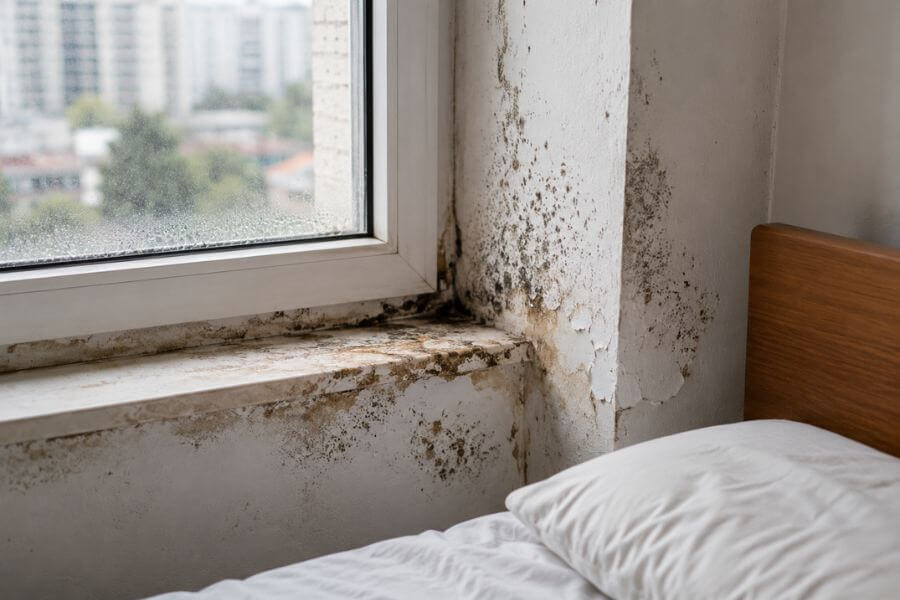
Imagine saving your money for months, planning the perfect trip, and finally arriving at your destination. You walk up to the door of your vacation home, unlock it, and step inside. Instead of the bright, clean, cozy apartment from the online pictures, you smell something weird. The walls look old and dirty. The bed is tiny, and the loud street outside sounds like it is right next to your ear.
This happens to travelers every single day. Bad vacation rentals can ruin an amazing trip. However, you can learn to spot the warning signs before you spend your money. Here is exactly how to become an expert at finding the best places to stay.
The Picture Tricks That Hosts Use
Pictures are the very first thing you see when you look for a place to stay. Hosts know this, and they do everything they can to make their space look as big and bright as possible. While some editing is normal, some hosts use tricks that hide the truth about their home.
Wide Angle Lenses
Have you ever looked at a photo of a living room that looked as big as a basketball court, but when you got there, it was the size of a walk-in closet? That is the work of a wide-angle lens. These camera tools stretch the edges of a picture to make small spaces look giant.
To spot this, look at the furniture in the photo. If a regular chair looks strangely long, or if the walls seem to curve like a fish bowl, the host is using this trick. Look at how the objects fit together. If a bed takes up the entire wall but the room still looks huge, something is wrong.
Brightness Overload
Some hosts turn the brightness all the way up when they edit their photos. They do this to make dark, windowless rooms look like they are full of natural sunshine.
You can tell a photo is too bright if the windows just look like big squares of glowing white light. If you cannot see the view outside the window at all, the host might be trying to hide a dark alley, a brick wall, or a noisy construction zone. True sunlight creates soft shadows, so if a room has zero shadows but glows like a lightbulb, it is a trick.
The Missing Bathroom Mystery
If a listing has thirty photos of beautiful flowers in a vase, close-up shots of coffee cups, and angles of the living room pillows, but not a single picture of the bathroom, you should worry.
Bathrooms are expensive to remodel and clean. If a host does not show the bathroom, or if they only show a tiny corner of the sink, it usually means the bathroom is old, dirty, or incredibly small. Every trustworthy listing should show you exactly where you will wash your face and take a shower.
Comparing Real Versus Fake Photos
| What the Photo Shows | What It Usually Means in Reality |
| Extreme close-up of a coffee mug or towel | The host is distracting you from a small or messy room. |
| Blurry views out of the window | The view is bad, or the street is very busy and loud. |
| Only one photo of the bedroom from a high angle | The room is likely too small to walk around comfortably. |
| No photos of the kitchen appliances | The kitchen is old, or key tools like the stove do not work. |
Deciphering Host Profiles
The person who owns the property is just as important as the property itself. A bad host can turn a beautiful house into a stressful nightmare, while a great host can make a simple room feel wonderful.
The Ghost Host
When you click on a host profile, you should see a clear picture of their face, a nice description of who they are, and a history of their time on the platform. If the host has a fake name, no profile picture, or a photo of a cat instead of a human, stay alert.
Trustworthy hosts want you to know who they are. They take pride in their work. A host who hides behind a blank profile might be managing dozens of cheap properties just for money, or they might not even live in the same country as the rental.
The Review Disconnect
Always look at the reviews left on the host profile, not just the ones on the specific house you want to book. Sometimes, a host has five different listings. One might have great reviews, but the others might be terrible.
If a host has a history of canceling on guests at the last minute, the website will automatically post a note on their profile that says the host canceled a reservation. Look for those automatic notes. If you see more than one or two, avoid that host completely. You do not want to be left without a place to sleep on the day you arrive.
Communication Speed
Send the host a polite question before you click the book button. Ask them about the check-in time or the closest grocery store. Watch how long it takes them to write back and how they answer your question.
A great host will reply within a few hours and sound happy to help. A host who takes three days to send a one-word answer will probably ignore you if the toilet breaks or the internet stops working during your trip.
Reading Between the Lines of Reviews
The review section is your most powerful tool. This is where past guests tell the absolute truth. However, guests often try to be polite, so they write their complaints in a hidden way. You need to know how to read these secret clues.
Polite Warnings
People do not like to leave mean reviews, so they use soft words to describe big problems. You have to learn how to translate their polite language into plain English.
- “The neighborhood is very lively and full of energy.” This usually means the apartment sits right above a loud bar, and you will hear yelling and music until three in the morning.
- “The home has a lot of historical character.” This often means the building is old, the pipes creak, the doors do not shut right, and there are very few electrical outlets for your phone.
- “The location is tucked away and peaceful.” This can mean the house is in the middle of nowhere, far from public trains or buses, and you will have to spend a fortune on taxi rides.
The Lone Star Warning
If a place has fifty reviews that give it five stars, and just one review that gives it one star, do not panic right away. Sometimes a single guest had a bad day or expected too much.
However, you must read that bad review carefully. If the guest complains about something specific like bugs, a leaking roof, or a host who showed up without asking, look to see if the host wrote a reply. A good host will apologize and explain how they fixed the problem. A bad host will get angry, argue, or call the guest a liar.
The Sudden Drop in Quality
Look at the dates of the reviews. If a place had amazing reviews two years ago, but the last five reviews from this year complain about dirt, broken beds, or bad wifi, the property is going downhill. This happens when hosts get tired of taking care of their space or stop paying attention to their cleaning workers. Always trust the newest reviews over old ones.
Review Clues and Translations
Cozy and Intimate
- What you see: “This apartment is so cozy and intimate, perfect for a quick weekend away!”
- What it means: The space is smaller than you think. You might not have room to open your suitcase on the floor.
Rustic Charm
- What you see: “We loved the rustic charm of this country cabin.”
- What it means: The cabin is drafty, the furniture is old, and you might encounter some spiders or mice.
Up and Coming Area
- What you see: “The location is in an up-and-coming area with lots of new things.”
- What it means: The streets might feel unsafe at night, or there is a lot of loud construction happening nearby.
Location Secrets They Do Not Want You to Know
A house can be perfect on the inside, but if it is located in a dangerous, loud, or inconvenient area, your trip will suffer. Hosts often use vague descriptions to make a bad location sound perfect.
The Distance Deception
Be careful when a description says a place is “only ten minutes from the main city center.” You need to ask yourself how they are measuring that time. Is it a ten-minute walk? A ten-minute drive in a fast car with zero traffic? A ten-minute helicopter ride?
Many times, that ten-minute journey turns into a forty-minute bus ride in real life. Use map websites to check the general area before you book. Look for major train stations or bus stops nearby. If the closest public transit is a mile away, you will be doing a lot of extra walking.
The Map Circle
The website does not show you the exact street address of a house until after you pay. It only shows you a large circle where the house lives.
Smart travelers look closely at that circle. Does it cross over a major highway, a train track, or an industrial factory area? If the circle touches a loud or busy area, there is a big chance the house sits right next to it. You can also search for local landmarks mentioned in the description to guess the exact location more accurately.
House Rules and Hidden Costs
Sometimes, the price you see when you first search is not the price you actually pay. Extra fees and strict rules can turn a good deal into a very expensive trap.
Cleaning Fees That Cost More Than the Room
You might find a cute room for sixty dollars a night, which sounds like a total steal. But when you go to the checkout page, you notice a one-hundred-and-fifty-dollar cleaning fee added to the bill.
Some hosts keep their nightly price low so they show up first when you filter by price, but then they make their money back with giant cleaning fees. Always look at the total price at the end, not just the nightly rate.
The Chore List Nightmare
Even if you pay a large cleaning fee, some hosts leave a long list of chores for you to do before you leave at check-out time. It is normal to ask guests to throw away their trash or put dirty dishes in the machine.
However, if the host expects you to strip all the beds, wash the sheets, vacuum the floors, and clean the toilet before you leave at eight in the morning, that is a red flag. You are paying to be a guest, not a maid service. Read the house rules section carefully to spot these extra chores.
Strict Cancellation Rules
Life happens, and sometimes plans change. If a listing has a non-refundable cancellation policy, you lose all your money the moment you book, even if your trip is months away.
Try to look for places that offer flexible or moderate cancellation choices. This gives you peace of mind if you get sick, if your flight gets canceled, or if you simply find a better place to stay later on.
Comparing Safety Features Across Listings
| Feature | Safe Listing Standard | Dangerous Red Flag Standard |
| Smoke Detectors | Installed and tested recently | Missing or listed as not available |
| Check-in Process | Smart lock or lockbox with private code | Meeting a stranger in a dark alley for keys |
| Host Verification | Government identification checked by website | Unverified profile with no history |
| Emergency Info | List of local numbers and exit paths provided | No information or help from the host |
Red Flags in the Property Description
The words a host uses to describe their home can tell you a lot about their personality and what staying there will feel like. You just need to know what words should make you stop and think.
Negative and Angry Language
Read the tone of the description. Does the host sound welcoming, or do they sound angry and stressed? If a description starts with a long list of things you are NOT allowed to do, written in all capital letters with lots of exclamation points, stay away.
An example would be: “NO LAUNDRY AFTER 8 PM!!! NO EXTRA GUESTS!!! KEEP QUIET!!!” This shows the host is likely over-controlling, watches their guests too closely, and might complain about every little thing during your stay.
Vague Amenities
If the listing says “kitchen available” but does not list a microwave, oven, or refrigerator under the checked amenities list, you might find a kitchen that only has a sink and a hot plate.
If you plan to cook your own meals to save money, message the host to ask exactly what tools are in the kitchen. The same goes for air conditioning. In some hot countries, a host might say a room has cooling, but they just mean a small fan on the floor.
The Danger of Too Many Rules
While rules help keep a home safe, some lists are just too long and strange. They can ruin the fun of your vacation and make you feel like you are walking on eggshells.
The Utility Extra Charge
Some hosts hide a rule deep down in their text that says if you use too much electricity or water, they will charge you extra money at the end of your trip. They might say they track your power use with a meter.
This is a terrible surprise to get after your vacation. You should be able to run the air conditioning on a hot day or take a warm shower without worrying about a hidden bill.
No Visitors Allowed
Even if you book a house for two people, some hosts do not allow any outside guests inside the property at any time. If you meet a friend for dinner and want to bring them back to your place to have a cup of tea or look at your photos, you could break the rules and get kicked out without a refund. If you plan to see friends or family during your trip, make sure the rules allow casual visitors.
Frequently Asked Questions
What should I do if I arrive at my rental and it looks completely different from the pictures?
Take photos and videos of everything immediately. Do not unpack your bags or get the beds messy. Contact the host through the official website chat right away and explain the problem. If the host does not answer or refuses to help within an hour, contact the customer service team directly. Always keep your conversations on the official app so the website staff can see the proof and help you get your money back.
Is a brand-new listing with zero reviews safe to book?
It can be safe, but it carries a higher risk. New hosts often offer low prices to get their first few reviews. If you want to book a new place, look at the host profile to see if they manage other properties with good reviews. If they are completely new to the website, send them a few questions first to see how professional they act. Never book a new listing if you are traveling for a very important event like a wedding or a major job meeting where nothing can go wrong.
Why do some hosts ask me to pay them outside of the official website?
This is a major red flag and a common scam. If a host asks you to pay them through cash, wire transfers, or other apps, refuse and report them to the platform. When you pay outside the official website, you lose all your insurance, safety protections, and refund rights. The website cannot help you get your money back if the host disappears with your cash.
How can I make sure the wifi is fast enough for my schoolwork or job?
Do not just trust a description that says “high-speed internet.” Message the host before booking and ask them to send a screenshot of an internet speed test. This test shows the exact download and upload speeds of the house. If the host refuses or makes an excuse, the wifi is likely slow or shared with a large apartment building.
Can a host legally watch me with cameras inside the house?
No, hosts are absolutely not allowed to have cameras inside the private living spaces of a rental, like bedrooms or bathrooms. Most platforms also ban indoor cameras completely, even in living rooms. External cameras on the outside of the house, like a doorbell camera or a security light on the garage, are usually allowed to protect the property, but the host must tell you about them in the description. If you find a hidden camera inside the home, leave immediately and call the police and customer service.