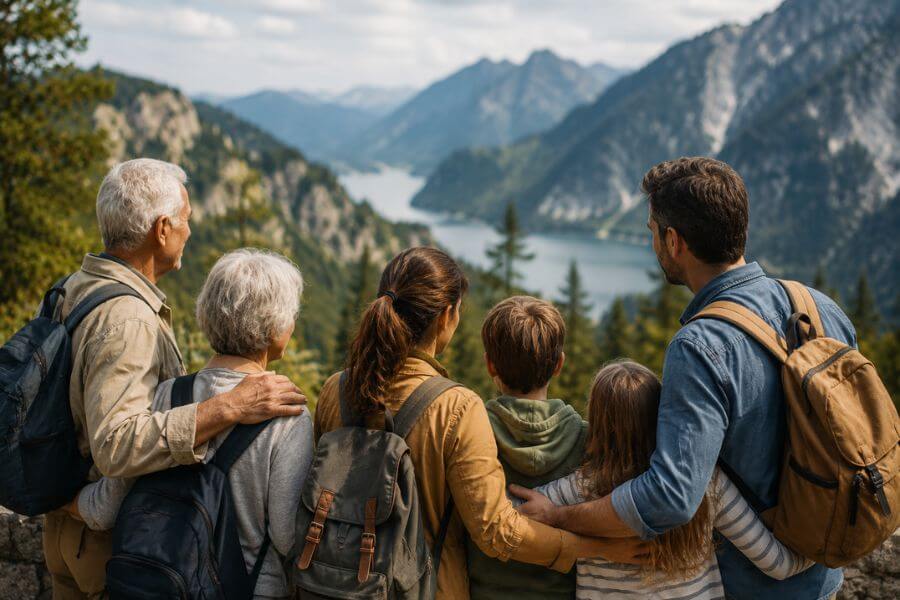
Key Takeaways for Multi-Age Family Travel
Planning a trip for multiple generations can feel like a big puzzle. When you have kids, parents, and grandparents all traveling together, everyone has different energy levels and interests. The secret to success is balance. You need a mix of shared activities, personal down time, and flexible schedules to keep everyone smiling.
- Pick the Right Base Camp: Choose one central lodging option, like a large rental home or a resort, so you do not have to pack and unpack multiple times.
- Balance the Daily Schedule: Plan one main activity per day that everyone can do together, then leave the afternoons open for rest or separate adventures.
- Talk About Money Early: Set clear expectations on who pays for lodging, meals, and activities before you book anything to avoid awkward moments.
- Involve Everyone in Planning: Let every age group pick at least one activity or meal during the trip so everyone feels included.
- Honor the Nap Times: Respect the sleep schedules of both the youngest children and the oldest adults to prevent burnout.
Why Traveling with Multiple Generations is Worth the Effort
Taking a trip with your whole family tree is a beautiful way to make memories. Think about a granddad teaching his granddaughter how to skip stones across a quiet lake. Think about a teenager showing their grandmother how to use a cool photo app on a high mountain peak. These are the moments that stay with you forever. When you travel across generations, you step out of your daily routines and get to see your family members in a whole new light.
Grandparents get a front-row seat to watch their grandchildren grow, learn, and explore. Kids get to hear amazing stories from the past that they might never hear at home. Parents get a chance to slow down and share the workload of watching the little ones. It is a rare chance to bond without the usual distractions of school, work, and house chores.
Of course, it takes some extra planning to make it work. You are combining different sleep habits, eating schedules, and physical abilities into one single journey. But when you find that sweet spot, the rewards are massive. You build a strong family bond that lasts for years to come.
Setting the Ground Rules and Talking About Money
Before you start looking at flights or beautiful beach houses, you need to have an open conversation. Money can be a tricky topic, but talking about it early saves you from big headaches later. Sit down with the adults in the family and map out a budget that feels safe and comfortable for every single person.
Who Pays for What
There are many ways to split trip costs. Sometimes, the grandparents want to treat the whole family to a big vacation. Other times, every adult sibling chips in an equal amount. You can also choose to split the big costs like lodging evenly, while every smaller family unit pays for their own food and daily outings.
Creating a Shared Family Fund
A smart trick is to build a shared fund for small group expenses. Everyone can pitch in a set amount of cash at the start of the week. This fund pays for things like parking fees, groceries for the house, gas for the rental cars, and group snacks. This way, you do not have to do complex math every single time you buy an ice cream cone or pay a road toll.
Finding a Budget Balance
Keep in mind that different family members might have different spending limits. A young family with new kids might need to watch their wallet closer than retired grandparents. Always plan your lodging and main activities around the lowest budget in the group. This ensures that no one feels stressed out or left out because a plan is too expensive.
| Expense Category | Best Way to Split | Who Manages It |
| Big Rental Houses | Split evenly per adult or paid by grand-parents | Trip Leader |
| Daily Groceries | Paid out of the shared family fund | Designated Shopper |
| Restaurant Dinners | Separate checks or rotating turns to pay | Everyone |
| Theme Park Tickets | Each small family unit buys their own | Parents |
Choosing the Perfect Destination for All Ages
The destination you pick can make or break your multi-age vacation. A steep mountain climb or a city with endless cobblestone stairs might be too tough for strollers and older knees. On the flip side, a quiet cabin with nothing to do might bore the teenagers within an hour. Look for places that offer a wide variety of choices close together.
The Magic of Beach Towns
Coastal towns are classic choices for a reason. The beach offers free, non-stop fun for every age group. Toddlers love building sand-castles in the shallow water. Teenagers can try body-boarding or beach volleyball. Parents and grandparents can sit back in comfortable lawn chairs, read a book, and watch the fun. Nearby boardwalks usually offer easy walking paths, shops, and casual restaurants.
National Parks with Good Roads
Many national parks are built for visitors of all physical levels. Look for parks that feature scenic drives, flat paved paths to amazing views, and excellent visitor centers. Places with wide boardwalks allow wheelchairs and strollers to glide right up to geysers, waterfalls, or giant trees. This lets the whole group experience nature without needing to hike miles into the wild.
All-Inclusive Resorts and Cruises
If you want to minimize your planning stress, a cruise ship or an all-inclusive resort is a fantastic option. These spots are built for multi-generation families. They have supervised kids clubs for the little ones, teen lounges with video games, spa treatments for parents, and quiet pools for grandparents. Everyone can do their own thing during the day and gather around a big table for dinner to share stories.
Historic and Cultural Cities
Some cities are wonderful for family groups because their top sights are close together. Look for cities with great public transit or hop-on hop-off bus tours. This lets you see the sights without walking long distances. Cities with large parks, public squares, and interactive science museums give kids a place to run around while older adults can find a shaded bench to relax.
Finding the Right Lodging Base Camp
Where you sleep at night is the anchor of your trip. For a successful cross-generational trip, avoid booking multiple separate hotel rooms scattered across a massive building. This setup separates the family and makes it hard to gather casually. Instead, look for spaces where everyone can live under one roof but still have privacy.
The Large Vacation Rental House
Renting a large home through a trusted website is often the best choice. You get a real living room where everyone can sit together in their pajamas, a backyard for the kids to play in, and a full kitchen to cook family meals. When picking a house, check the layout carefully. Ensure there is at least one bedroom and full bathroom on the ground floor for family members who struggle with stairs.
Condos and Resort Villas
If a giant house feels like too much work, look into a resort that offers multi-bedroom villas. This gives you the space of a home along with the perks of a hotel, like maid service, swimming pools, and on-site staff. It is the perfect middle ground for families who want to cook breakfast together but do not want to clean a giant house at the end of their stay.
Connecting Hotel Rooms
If you do choose a traditional hotel, always request connecting rooms with an interior door. This turns separate spaces into a larger suite. It allows parents to put young children to bed in one room while staying awake to chat or watch television in the other room.
Lodging Needs Checklist
Before you sign a rental agreement or pay a deposit, review this checklist to ensure the property fits your multi-age group:
- At least one ground-floor bedroom and bathroom.
- A dining table large enough to seat the whole group at once.
- Laundry machines inside the unit to wash dirty kid clothes.
- A quiet zone or separate wing where babies or grandparents can sleep early.
- A flat walkway from the parking spot to the front door.
- Safety features like deck railings and fenced pools if traveling with toddlers.
Planning a Balanced Daily Schedule
The biggest mistake in multi-generation travel is trying to do too much. A packed schedule leads to overtired kids, exhausted grandparents, and stressed parents. The key to harmony is a slow, predictable rhythm that leaves plenty of blank space on the calendar.
The One Big Activity Rule
Plan only one major group activity per day. This could be a morning visit to a museum, a boat tour, or a wildlife walk. Do this activity in the morning when everyone has the most energy. Finish up by lunchtime, and then head back to your base camp.
The Afternoon Split
After lunch, let the group divide based on energy and interest. Toddlers can take their naps. Grandparents can read, relax, or nap as well. Meanwhile, parents can take teenagers out for a faster-paced adventure, like kayaking, shopping, or a longer hike. This gives everyone a break from the large group and prevents friction.
Gathering for Dinner
Bring everyone back together for the evening meal. Whether you cook a simple dinner at the rental house or go out to a casual restaurant, this is your time to connect. Since everyone did different things in the afternoon, there will be plenty of fun topics to talk about around the table.
Your Sample Daily Rhythm
To help you picture how a balanced day unfolds, look at this natural schedule outline:
- 7:00 AM to 9:00 AM: Casual breakfast together at the vacation house.
- 9:30 AM to 12:30 PM: Main family activity, such as a group tour or a gentle nature walk.
- 1:00 PM to 2:00 PM: Family lunch at a spacious, casual local spot.
- 2:30 PM to 5:30 PM: Afternoon split where some take restful naps and others go for high-energy hikes.
- 6:30 PM to 8:30 PM: Relaxed family dinner followed by fun board games.
Packing Smart for Every Age Group
Packing for a massive family trip requires some organization. When you combine the gear needed for a baby with the items needed for older adults, your suitcases can fill up fast. The goal is to pack light while ensuring you have the essential items that keep everyone comfortable.
Gear for the Littlest Travelers
If you are traveling with babies or toddlers, do not haul heavy gear like cribs, high-chairs, and bulky strollers across airports. Use a local baby gear rental service at your destination. They will deliver clean, safe strollers, car-seats, and toys directly to your rental house or hotel. This saves your back and keeps your luggage light.
Comfort Items for Older Adults
Make sure older family members have everything they need for long transit days. This includes supportive walking shoes, lightweight sweaters for chilly restaurants, and a compact travel pillow. If anyone uses a cane or a walking aid, look for folding models that fit easily into car trunks or airplane overhead bins.
The Ultimate Family First-Aid Kit
Do not rely on finding a pharmacy in the middle of the night. Pack a master medical bag that stays with the group leader. Include a mix of medicines and comfort supplies for every age.
- Child-safe fever reducers and pain relievers.
- Adult pain medication and allergy pills.
- Bandages of all sizes, gauze, and antibiotic ointment for scraped knees.
- Motion-sickness remedies for boat rides or windy mountain roads.
- Sunscreen with high protection and bug spray for outdoor days.
- Tweezers for removing splinters.
- Thermometers for checking temperatures quickly.
Managing Food and Mealtime Expectations
Food is a central part of any vacation, but it can be a major source of stress when you have different palates and schedules. Toddlers might want to eat dinner at five in the evening, while teenagers might sleep until noon and want breakfast for lunch. Grandparents might prefer quiet, traditional meals, while parents want to try trendy spicy food.
Cooking at the Rental House
Cooking your own meals is a great budget saver and keeps the mood relaxed. You do not have to worry about a toddler crying in a quiet restaurant or waiting an hour for a table. Assign team jobs to make cooking fun. Grandparents and kids can wash veggies, parents can grill the main dish, and teenagers can handle the dishes. Keep meals simple, like taco bars, pasta nights, or backyard burgers where everyone can build their own plate.
Choosing the Right Restaurants
When you do go out to eat, look for casual, roomy restaurants. Buffet-style joints, food-truck parks, and large outdoor diners are fantastic for big families. They offer diverse food choices so the picky child can get chicken fingers while the adventurous adult gets local seafood. The loud, bustling atmosphere also means you do not have to worry if your kids make a bit of noise.
Handling Different Schedules
Do not force everyone to eat every single meal together. If the grandparents want a peaceful cup of coffee at sunrise, let them enjoy that quiet time. If the teenagers want to sleep in, leave some breakfast food on the counter for them. Keeping snacks like fruit, cheese sticks, and crackers handy prevents hangry meltdowns throughout the day.
| Family Member | Typical Meal Preference | Best Strategy |
| Toddlers | Early meals, simple flavors, fast service | Pack snacks, choose outdoor food courts |
| Teenagers | Late breakfast, large portions, casual food | Keep breakfast foods handy at the house |
| Parents | Local specialties, trendy spots, good coffee | Plan one special date night out alone |
| Grandparents | Regular meal times, quieter rooms, classic dishes | Book restaurant reservations early in the evening |
Navigating Transportation and Moving Around
Getting a large group from point A to point B takes time. Everything takes twice as long with a multi-age family. A simple bathroom break can turn into a thirty-minute stop when you multiply it by eight people. Plan for slow movement and choose your transit options wisely.
Renting a Large Passenger Van
If you are driving, consider renting one large vehicle, like a twelve-passenger van, instead of three separate small cars. Traveling together in one big vehicle keeps the family connected. You can sing songs, share snacks, and stay on the exact same schedule. Plus, you only have to pay for parking and road tolls once.
The Two-Car Strategy
Sometimes, splitting into two smaller rental cars is smarter if your family has very different interests. Car one can leave the beach early to take a sleepy toddler home for a nap. Car two can stay late so the teenagers can finish their beach volleyball game. This prevents anyone from feeling trapped or forced to move at someone else’s pace.
Navigating Airports with Ease
If you are flying, arrive at the airport much earlier than usual. Give your group plenty of time to clear security lines without rushing. Walk at the pace of your slowest family member. Utilize airport assistance services if older adults have trouble walking long distances between gates. Many airlines allow families with young children or passengers needing extra assistance to board the plane first. Take advantage of this to get everyone settled without stress.
Activities that Every Generation Will Love
The best vacation activities are the ones where grandparents and grandchildren can participate side-by-side on equal ground. Look for experiences that do not require intense physical strength but are still engaging and fun for adults.
Scenic Boat Tours
Whether it is a calm lake cruise, a dolphin-watching boat, or a swamp tour, boat rides are hits for all ages. Everyone gets to sit down comfortably together. The older adults can enjoy the fresh breeze and beautiful scenery, while the kids stay thrilled looking for animals or watching the water spray.
Living History Museums
Places that bring history to life are wonderful for families. Think of old mining towns, historic ships, or farming villages where actors dress up in old-fashioned clothes. Kids love the hands-on crafts, animals, and large spaces to walk around. Grandparents love sharing their knowledge and pointing out how things used to be when they were young.
Botanical Gardens and Local Zoos
Zoos and large gardens are designed for wide audiences. They feature smooth, flat walking paths, plenty of clean restrooms, and shaded benches every few yards. You can rent strollers for the toddlers or motorized scooters for older adults. This allows the entire family to explore the beautiful grounds together at a comfortable, leisurely pace.
Evening Campfires and Board Games
The fun does not stop when the sun goes down. Gather around an outdoor fire-pit to roast marshmallows and tell spooky or funny stories. If the weather is cold, set up a big board game on the dining table. Choose cooperative games where adults and kids work together as a team to win.
Capturing and Preserving Family Memories
A multi-generation trip is a rare event, so you want to capture the magic. However, do not spend the whole trip staring through a camera lens or phone screen. Find creative, natural ways to preserve your family adventure.
The Group Photo Strategy
Do not try to take a perfect group photo every single hour. Pick one evening when everyone dresses up a little bit for a nice dinner. Find a beautiful backdrop, like a beach sunset or a scenic overlook, and take your main family photos then. You can even hire a local professional photographer for an hour to get high-quality pictures where everyone is in the frame.
Kids as Official Photographers
Give your older kids or teenagers a durable, inexpensive camera or an old phone. Make them the official family photographers for the day. You will be amazed to see the trip from their perspective. They often capture funny, candid moments that adults miss, like granddad napping on a bench or mom making a silly face.
Creating a Shared Digital Album
Set up a shared online photo folder before the trip starts. Every evening, have everyone upload their favorite pictures from the day. This allows the whole family to see what the other groups did during their afternoon split sessions. It also ensures that grandparents get copies of all the best shots without needing to text them one by one.
The Family Travel Journal
Keep a notebook on the kitchen counter of your rental house. Every night before bed, encourage family members to write down their favorite memory from the day. Even young kids can draw a picture of a shell they found or an animal they saw. At the end of the vacation, you will have a beautiful, hand-written record of your shared journey to take home.
Frequently Asked Questions About Cross-Generational Travel
How do we handle disagreements about plans during the family trip?
The best way to handle disagreements is to prevent them before they start by setting clear expectations. Remind everyone that it is completely okay to spend time apart. No one should feel forced to attend every single outing. If an argument does pop up, take a deep breath, prioritize the happiness of the group, and be willing to compromise on small details.
What should we do if a family member gets sick or injured on the road?
Always know the location of the nearest urgent-care clinic and hospital before you arrive at your destination. Keep your master first-aid kit close at hand for minor issues. If a family member needs medical attention, adjust your schedule immediately. Put a pause on big outings so a few adults can help the sick relative while others keep the children calm and entertained.
How do we choose activities if the age gap between the kids is very large?
Look for destinations that offer multiple layers of fun in one single spot. For example, a theme park with both gentle toddler rides and big roller coasters allows the family to enter together but split up for specific rides. You can also pair a teenager with a grandparent for a quiet museum visit while parents take the energetic younger kids to a nearby playground.
Is it a good idea to bring a family pet along on a multi-age vacation?
Bringing a pet usually adds an extra layer of stress to a large group trip. Many restaurants, museums, and rental homes do not allow animals. This means someone always has to stay behind to watch the pet. Unless your trip is a simple cabin stay centered entirely around outdoor pet-friendly activities, it is usually best to leave your furry friends with a trusted sitter at home.
How can parents get some alone time on a multi-generation trip?
One of the best perks of traveling with grandparents is built-in childcare. Talk about this before the trip. Ask the grandparents if they would be comfortable watching the kids for one specific evening so you can go out for a quiet dinner. In return, offer to handle all the cooking or grocery shopping the next day so the grandparents get a full day to rest and relax.